D Day Nears for UNESCO: A Historic Milestone for Normandy
Usagevpn.com – D Day nears for UNESCO listing as Normandy prepares for a potentially transformative moment in its storied history. Nearly two decades after the ambitious project was first conceived, the region stands on the brink of securing UNESCO World Heritage status for its legendary D-Day landing beaches. The United Nations cultural organization is scheduled to reveal its decision between 24 and 27 July during the 48th session of the World Heritage Committee, held in Busan, South Korea. Should the application receive approval, the Normandy beaches will become the 54th French site to join the prestigious UNESCO World Heritage List, standing alongside iconic landmarks such as Mont-Saint-Michel, the Palace of Versailles, and Chartres Cathedral.
Historical Significance and Global Recognition
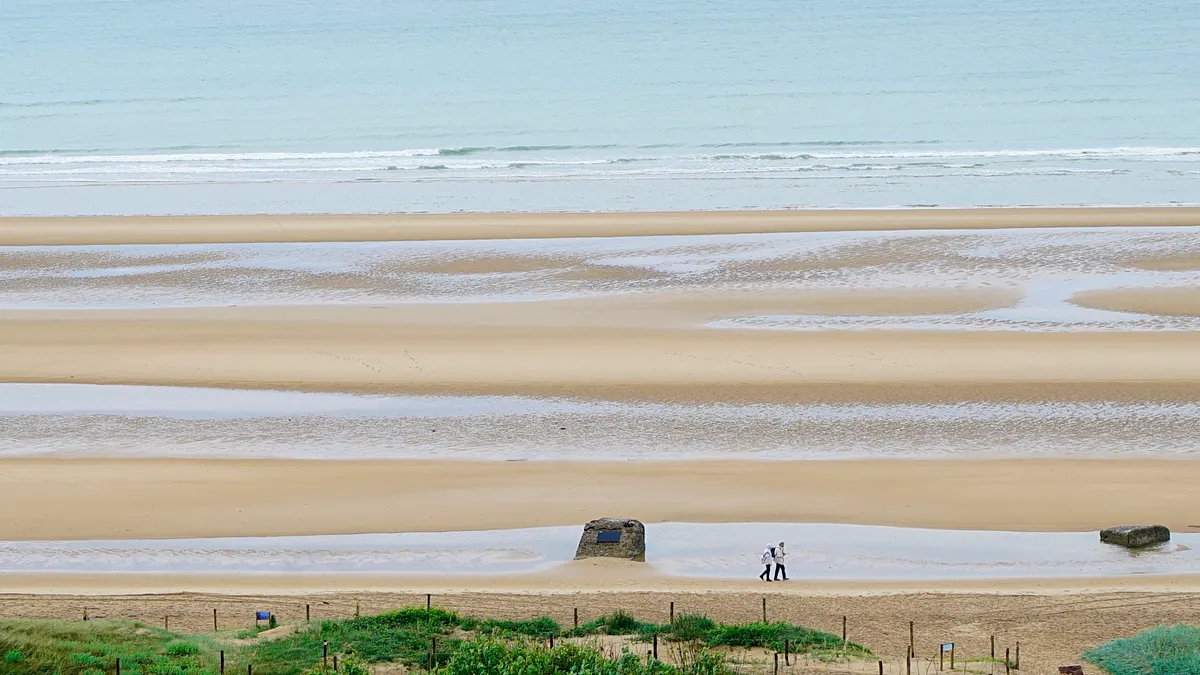
The UNESCO designation is reserved exclusively for sites deemed to possess ‘outstanding universal value,’ requiring participating nations to guarantee their long-term protection. This proposed listing would encompass all five historic Allied landing beaches from 6 June 1944: Utah, Omaha, Gold, Juno, and Sword. Additionally, the designation would cover numerous emblematic locations including Pointe du Hoc, the German battery at Longues-sur-Mer, the artificial harbour at Arromanches, and countless military cemeteries and memorials scattered throughout the region. On that pivotal day in 1944, more than 150,000 Allied soldiers—predominantly Americans, Britons, and Canadians—landed on the Normandy coast in what remains the largest amphibious military operation ever conducted.
“The listing would first and foremost represent immense recognition for the soldiers who came to fight to bring Nazism to an end.” — Hervé Morin, President of the Normandy Regional Council
Over 4,000 brave souls lost their lives on that single day, a sacrifice that ultimately proved decisive in liberating Europe from Nazi occupation. For Hervé Morin, president of the Normandy regional council, who has championed the bid since 2008, the potential UNESCO recognition carries profound meaning beyond mere prestige.
Economic Benefits and Heritage Preservation
Beyond its historical significance, UNESCO World Heritage status could deliver substantial economic benefits to the region. The D-Day sites already welcome nearly 1.8 million visitors annually, with more than one-third traveling from abroad, particularly from the United Kingdom, the United States, and Germany. According to the regional tourism board, this steady stream of international visitors generated 700 million euros in economic benefits throughout 2022 and supports more than 8,400 direct and indirect jobs across the region. Hervé Morin estimates that World Heritage listing could boost tourist numbers by approximately 15 percent.
Such recognition would simultaneously help safeguard a heritage that faces growing threats. Several D-Day remains, particularly bunkers from the Atlantic Wall, shipwrecks, and various Allied installations, now confront increasing vulnerability from coastal erosion and rising sea levels. At Longues-sur-Mer, for instance, the former observation post of the German battery has been closed to visitors since 2025 due to concerns about cliff collapse.
Situated between Omaha Beach and Gold Beach, this strategic position formed part of the Atlantic Wall constructed by Nazi Germany. Its primary mission involved shelling Allied vessels as they approached the beaches. Despite relentless Allied bombardment, the battery remained operational until the early hours of 7 June, when its garrison finally surrendered to the US Army.
Museum directors across the region caution that UNESCO listing does not automatically guarantee additional funding. They emphasize that preserving collective memory will also require comprehensive digitisation of sites and virtual reconstructions, ensuring that history endures even as some physical remains disappear permanently. If the listing is confirmed in the coming days, the D-Day beaches will transform into not only a global symbol of Second World War remembrance, but also a site whose preservation is recognised as a matter of concern for humanity as a whole.