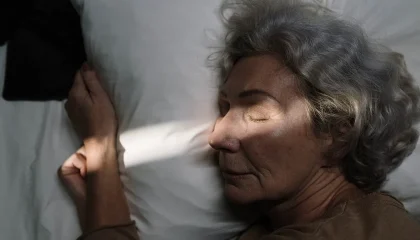
Summer Depression: Feeling Down in the Sun
Feeling down in the sun Summer – contrary to popular belief, depression isn’t exclusively a winter phenomenon. While most individuals associate depressive episodes with shorter days and colder temperatures, a less common variant can emerge during the sunniest months. Seasonal Affective Disorder, widely known as SAD, encompasses a category of depression characterized by recurring patterns connected to specific seasons. Similar to its winter form, this condition constitutes a meaningful health concern that demands appropriate recognition and intervention.
Winter depression typically surfaces as daylight diminishes and temperatures decline, frequently worsened by decreased social interaction. Nevertheless, summer depression, though significantly less frequent, presents equally challenging symptoms for affected individuals. Studies reveal that roughly 0.57 percent of the global population experiences summer-related SAD, compared to approximately 5 percent who suffer from winter SAD. This unusual manifestation connects to multiple factors, including prolonged heatwaves and warm nighttime temperatures that disturb regular sleep patterns.
Identifying Summer Depression Signs
Summer depression symptoms vary considerably, extending from subtle mood changes to substantial limitations in daily functioning. People experiencing this condition commonly report trouble sleeping, reduced appetite, irritability, and increased anxiety. These manifestations can range from what many consider normal seasonal sadness to severe episodes that significantly disrupt work, relationships, and overall quality of life.
Addressing summer depression frequently requires practical modifications to daily habits. Establishing regular schedules, avoiding prolonged heat exposure, and prioritizing sufficient rest often help alleviate symptoms considerably. When discomfort becomes overwhelming or continues without improvement, consulting healthcare professionals proves beneficial. Adam Borland, clinical psychologist at the Cleveland Clinic, notes that particularly severe instances benefit from professional support rather than self-management alone.
Understanding the Broader Context
Mental health difficulties extend well beyond seasonal patterns. Over the last thirty years, global mental health conditions have nearly doubled in prevalence, with anxiety and depression leading this increase. The Global Burden of Disease Study, released in The Lancet journal, documented that approximately 1.2 billion people—roughly 15 percent of the world’s population—lived with mental health conditions in 2023.
This figure represents a 95 percent growth from 1990 levels. Mental disorders have simultaneously risen in global health rankings, moving from twelfth to fifth position among major causes of health-related losses worldwide. Certain conditions show particularly sharp increases: major depressive disorder expanded by 131 percent, and anxiety disorders grew by 158 percent between 1990 and 2023, making them the most widespread mental health issues globally.
“Responding to the mental health needs of our global population, especially those most vulnerable, is an obligation, not a choice,” the researchers behind the Global Burden of Disease Study 2023 stated.
Regional Impact and Youth Challenges
Within Europe alone, estimates indicate that one out of six people—around 140 million residents—live with mental health conditions. Despite this considerable prevalence, treatment access remains insufficient. The World Health Organization indicates that only one in three Europeans with depression obtained the necessary care they needed.
The COVID-19 pandemic has amplified these difficulties, particularly for younger generations. Depression and anxiety among young people have increased by approximately 25 percent since the pandemic started. Most notably, suicide has become the leading cause of death for Europeans aged 15 to 29, underscoring the critical importance of developing mental health resources specifically designed for younger populations.