Media Landscape Transformation Discussed at Shusha Conference
Challenges Facing Modern Journalism
The future of journalism debated at – The contemporary news industry finds itself at a critical juncture, navigating unprecedented challenges that threaten to fundamentally alter how information reaches the public. Three interconnected forces—artificial intelligence technologies, the proliferation of false information, and eroding confidence among audiences—are collectively reshaping journalistic practices across global markets. These developments have prompted industry leaders to convene and examine potential pathways forward.
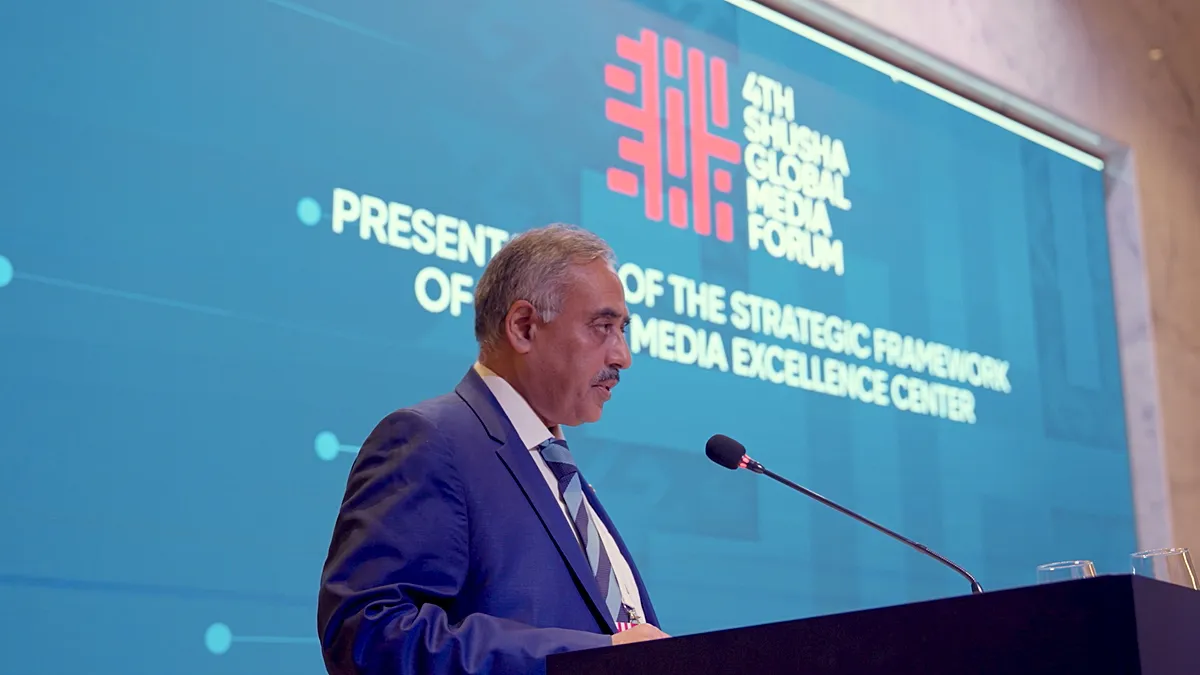
At the fourth edition of the Shusha Global Media Forum, held on July 15, 2026, stakeholders from diverse sectors gathered to address these pressing concerns. The gathering brought together newsroom professionals, government officials, representatives from international bodies, and academic experts. Their collective mission centered on identifying strategies that enable media organizations to maintain their credibility while adapting to rapidly evolving conditions.
Artificial Intelligence’s Growing Role in News Production
One of the most significant topics explored during the forum concerned artificial intelligence’s expanding influence on reporting workflows. Participants examined how automated systems are being integrated into newsrooms for tasks ranging from data analysis to content generation. The discussions highlighted both opportunities and concerns associated with these technological advancements.
Many speakers emphasized that AI tools offer journalists unprecedented capabilities for processing information quickly and accurately. However, they also noted that human oversight remains essential to ensure quality and maintain editorial standards. The consensus emerged that successful integration requires balancing technological efficiency with journalistic integrity.
Combating Misinformation in Digital Spaces
The forum placed considerable emphasis on the growing challenge of misinformation spreading through digital channels. Participants discussed how social media platforms and online networks have accelerated the velocity at which both accurate and inaccurate information travels. This acceleration has created new vulnerabilities for public understanding of critical events.
Delegates shared insights into emerging strategies for verification and correction. These approaches include collaborative fact-checking networks, algorithmic detection systems, and educational initiatives designed to improve media literacy among consumers. The importance of rapid response mechanisms was repeatedly stressed as essential for maintaining public confidence.
Building Cross-Border Collaborative Networks
A recurring theme throughout the discussions involved strengthening international cooperation among media organizations. Participants argued that the borderless nature of digital information requires equally borderless solutions. Cross-border dialogue was identified as crucial for sharing best practices and coordinating responses to global misinformation campaigns.
International organizations present at the forum highlighted their commitment to supporting collaborative frameworks. These frameworks aim to facilitate knowledge exchange between newsrooms in different regions, enabling them to learn from each other’s experiences and develop more robust verification processes.
Transparency and Accountability as Cornerstones
Perhaps the most consistent message emerging from the forum was the critical importance of transparency in rebuilding public trust. Many participants argued that news organizations must be more open about their processes, sources, and methodologies. This openness extends beyond simply reporting facts to explaining how those facts are verified and presented.
Fact-checking emerged as a particularly vital component of this transparency effort. Speakers noted that dedicated verification teams and public correction policies demonstrate a commitment to accuracy that audiences increasingly value. The forum concluded that these practices, when consistently applied, can help restore confidence in journalistic institutions.
Looking Toward the Future
As technology continues to evolve at an accelerating pace, the participants at Shusha expressed cautious optimism about journalism’s future. They acknowledged that change is inevitable but emphasized that core journalistic values—accuracy, fairness, and accountability—remain timeless. The forum’s discussions provided a roadmap for navigating the transition toward a more resilient media ecosystem.
The consensus among attendees was clear: responsible journalism, grounded in transparency and rigorous fact-checking, will play an increasingly important role in strengthening public trust. By embracing innovation while maintaining their foundational principles, news organizations can continue to serve as reliable sources of information in an increasingly complex world.