Heat in Portugal: Fires Have Already Mobilised Over 1,000 Firefighters
Wildfires Ignite Amid Record Heatwave
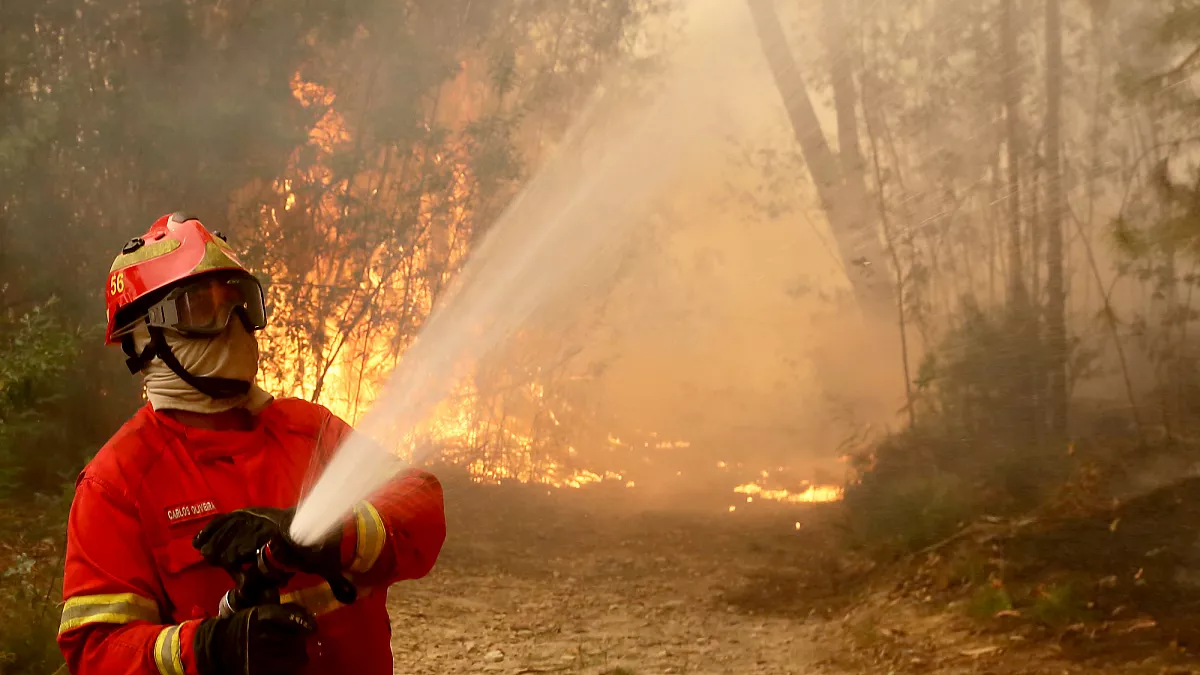
Heat in Portugal – Portugal is grappling with an intense heatwave that has triggered the first major wildfires of the season. The country’s Civil Protection Authority (ANPC) has reported a surge in fire incidents, with 62 separate blazes recorded between midnight and 3 p.m. on Thursday, July 2. Some of these fires began during the night, intensifying the challenge for emergency responders. Among the most significant is a large fire in the municipality of Vouzela, which has been burning since approximately 3 a.m. and remains in a highly complex area, according to Mário Silvestre, the ANPC’s National Commander.
Civil Protection Authority’s Response Efforts
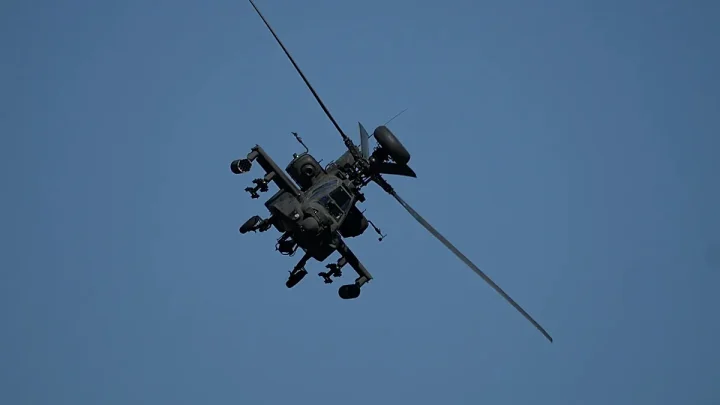
By 4:15 p.m. on the same day, the Vouzela fire was being addressed by 303 personnel, 90 ground-based assets, and four aerial units. The ANPC has escalated its readiness levels to two and three across the nation, with plans to raise the entire mainland to level three the following day. Silvestre emphasized that resources are being strategically deployed, especially in regions most vulnerable to fire risks. This includes the pre-positioning of equipment and the reinforcement of the aerial fleet, with two Air Force helicopters already in action near Vouzela.
“We need to underline the importance of safe behaviour,” Silvestre remarked, highlighting the critical role of public awareness in mitigating the spread of wildfires. He also warned that firefighting conditions are deteriorating, noting that even nightfall may not provide relief. “The window of opportunity that normally gives us greater capacity to extinguish fires at night will be very narrow tonight and in the night of 3 to 4 July,” he explained.
Heatwave Forecasts and Regional Impact
The Portuguese Institute for Sea and Atmosphere (IPMA) has issued a dire warning about the prolonged heatwave, which is expected to persist for up to ten days in inland areas and may end slightly earlier in coastal regions. Jorge Ponte, a spokesperson for IPMA, described the situation as “an extremely complex meteorological scenario.” He added that temperatures are projected to reach 40 degrees Celsius or higher in several regions, creating hazardous conditions for both residents and emergency teams.
“Temperatures will reach 40 degrees or even higher in some regions,” Ponte stated, noting that the heatwave affects the entire mainland. He also predicted that nighttime temperatures will remain elevated, with some areas exceeding 25 degrees Celsius, particularly in Greater Lisbon and the Porto region. “It is virtually a whole week of persistently high temperatures, with very unfavourable conditions for fighting fires,” he stressed.
Escalating Firefighting Challenges
As the fire situation worsens, the ANPC has intensified its operations. The agency reported that more than 500 firefighters and other responders are actively combating the flames, supported by over 140 vehicles and 10 aircraft. Since midnight, a total of 1,995 personnel, 537 ground assets, and 62 aerial resources have been deployed to manage the incidents. The coordination of these efforts underscores the scale of the crisis, with multiple rural fires reported in addition to the Vouzela blaze. At 4:14 p.m., four other fires were active in Vila Nova de Famalicão, Montijo, and Ourém, further straining response capabilities.
State of Alert and Preventive Measures
In response to the escalating fire threat, the Portuguese government has declared a state of alert for the entire mainland territory. This alert, which comes into effect at midnight on Friday, July 3, will remain in place until 23:59 on Monday, July 6. The decision was made following the activation of the Integrated System of Protection and Relief Operations (SIOPS) and the need to implement preventive and special measures based on IPMA’s fire risk forecasts.
“The declaration follows the raising of the special alert status of SIOPS and the need to adopt preventive and special measures in response to the fire risk forecast,” the government stated in a formal announcement. The alert aims to bolster preparedness and ensure that all advance measures are in place to combat the growing threat.
Environmental Conditions and Fire Potential
IPMA has highlighted the persistent environmental challenges exacerbating the fire risk. The institute noted that humidity levels will remain low throughout the day and into the night, creating an ideal environment for fires to spread rapidly. Strong winds are also anticipated, particularly in the coming hours, which will further complicate efforts to contain the blazes. Ponte warned that the fire potential in certain regions is set to peak at 11 p.m. on Thursday, leaving crews with limited time to act effectively.
These conditions have led to a heightened sense of urgency among authorities. Silvestre reiterated that the ANPC is reinforcing its response system, focusing on areas with the highest risk. He stressed the importance of vigilance, urging the public to take precautions and avoid activities that could inadvertently ignite new fires. “The combination of high temperatures, low humidity, and strong winds makes this an exceptionally difficult period for firefighting,” he said, emphasizing the need for coordinated action between agencies and local communities.
Long-Term Implications and Public Awareness
The prolonged nature of the heatwave raises concerns about the sustainability of current firefighting efforts. IPMA’s forecast suggests that the episode will last for a significant duration, potentially affecting the entire mainland for a week. This timeline means that emergency teams must remain on high alert for extended periods, with limited respite. The ANPC has already begun contingency planning to ensure that resources are available for the duration of the crisis.
Silvestre also called for public cooperation, stating that “safe behaviour” is essential to prevent new fires and reduce the burden on responders. While the ANPC has taken proactive steps to prepare for the worst, the unpredictable weather conditions and rising temperatures present ongoing challenges. As the heatwave continues, the focus remains on maintaining a rapid response and minimizing the impact on both natural and human environments.
Conclusion: A Nation on High Alert
Portugal’s current situation reflects a perfect storm of environmental and operational challenges. The combination of record-breaking temperatures, low humidity, and strong winds has created a dangerous scenario where wildfires are not only more frequent but also more difficult to control. With over 1,000 firefighters already in action and the nation’s readiness level elevated, the response to this crisis is both comprehensive and critical. The government’s state of alert underscores the gravity of the situation, with the hope that early intervention and public awareness will help curb the spread of fires and protect lives and property.