Two Gas Fields Off Cyprus Could Start Production by 2033
Two gas fields off Cyprus could – ExxonMobil and QatarEnergy, two prominent energy firms, have entered a significant agreement with Cyprus on Tuesday in the capital city, Nicosia, by announcing the market viability of two offshore gas reserves. This declaration, known as a “marketability declaration,” marks a crucial milestone for Cyprus’s energy sector, positioning it as a key player in Europe’s evolving energy landscape. The two fields, named Glaucus and Pegasus, are located within Block 10 of Cyprus’s exclusive economic zone and are estimated to contain over 7 trillion cubic feet of natural gas. These reserves are among the most substantial discoveries made by ExxonMobil in the region, offering the potential to significantly boost the nation’s energy production capabilities.
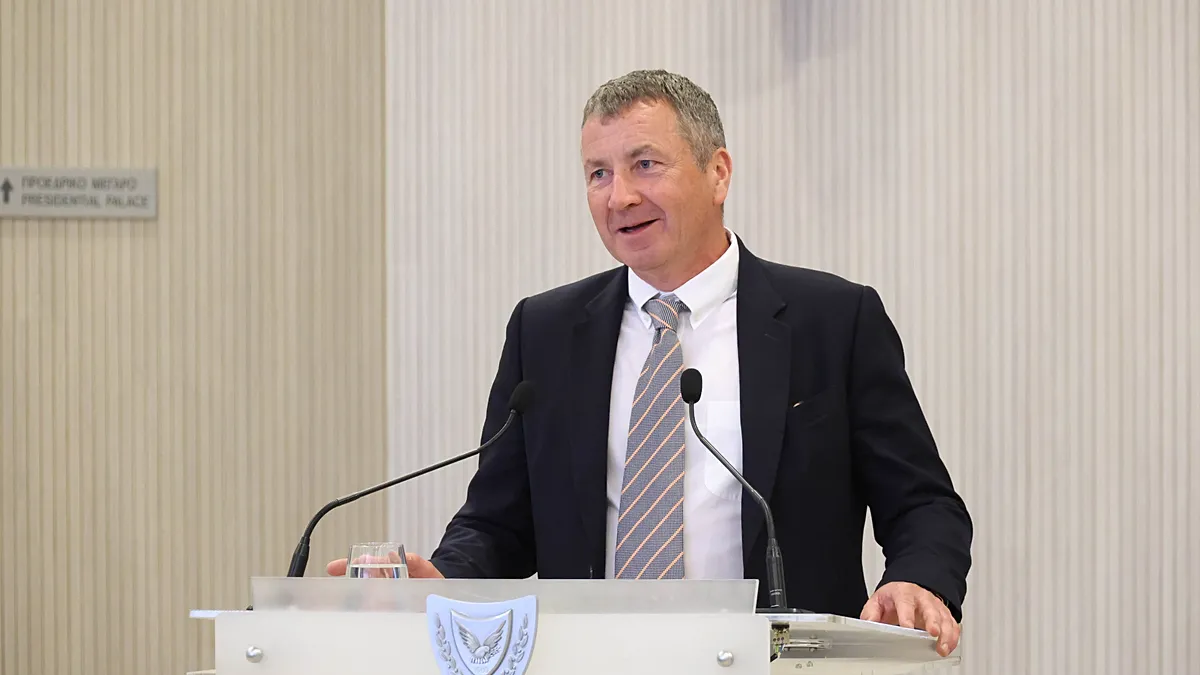
The agreement comes as part of a broader effort to solidify energy partnerships in the Eastern Mediterranean. John Ardill, ExxonMobil’s vice president of global exploration, emphasized the importance of the project during a press conference. “This declaration signifies a major breakthrough in our collaboration with Cyprus,” he stated, highlighting the combined efforts of government and private investment to turn these resources into a sustainable energy source. Ardill also revealed that the first gas flows from the fields are anticipated by 2033, a timeline that underscores the urgency of developing new energy infrastructure to counterbalance Europe’s dependence on external suppliers.
“What we should tell ordinary people is we have been working very diligently together between government and investor to make these discoveries and we’re working very diligently to get the gas flowing for the people of Cyprus,” Ardill added, per the Associated Press.
Saad Sherida Al-Kaabi, the minister of state for energy affairs and the head of QatarEnergy, expressed similar optimism. In a statement released on Tuesday, he highlighted the strategic implications of the declaration. “This step is not only vital for advancing offshore resources in Cyprus but also for strengthening energy cooperation across the Eastern Mediterranean,” Al-Kaabi said. QatarEnergy, a key partner in the consortium, has been instrumental in supporting the project’s development, leveraging its expertise in large-scale gas extraction and international energy markets.
Cypriot President Nikos Christodoulides welcomed the partnership, framing it as a pivotal moment for the country’s energy future. “This agreement represents a major step towards establishing the Eastern Mediterranean as a credible alternative energy corridor for Europe,” he remarked. The president’s comments reflect Cyprus’s growing ambition to position itself as a regional hub for energy production and distribution. By securing the commercial viability of the Glaucus and Pegasus fields, the nation aims to reduce its reliance on imported energy sources and enhance its economic resilience.
The European Union’s push for energy diversification has been a driving force behind this development. Since Russia’s full-scale invasion of Ukraine in February 2022, the bloc has prioritized reducing its dependence on Russian gas. As part of this strategy, the EU has committed to phasing out Russian gas imports by the end of 2027. To achieve this, the union has invested in creating a “Mediterranean gas hub” in southern Europe, a initiative designed to streamline the supply of natural gas to member states through alternative routes and suppliers. The hub is expected to play a critical role in ensuring energy security as Europe transitions away from fossil fuel dependencies.
ExxonMobil and QatarEnergy’s partnership with Cyprus aligns with these EU goals. The two fields, which are part of the broader energy exploration in the Eastern Mediterranean, could contribute substantially to the region’s energy output. Analysts suggest that once operational, the projects could supply energy to neighboring countries, including Greece and Turkey, thereby reinforcing regional interconnectivity. This development also highlights the importance of international collaboration in unlocking energy resources, particularly in areas where geopolitical tensions have historically hindered progress.
Cyprus’s energy minister, Michael Damianos, had previously underscored the significance of the deal. In January, he stated: “We are breaking away from detrimental reliance on Russian gas and taking a major step, in a spirit of solidarity and cooperation, towards an autonomous Energy Union.” Damianos’s remarks emphasize the nation’s commitment to energy independence, a goal that has been further bolstered by the successful marketability declaration. The agreement not only validates the economic potential of the gas fields but also solidifies Cyprus’s role in Europe’s energy transition.
While the declaration is a major achievement, challenges remain before production can begin. The development of offshore gas fields involves complex engineering, environmental assessments, and regulatory approvals. ExxonMobil and QatarEnergy will need to navigate these hurdles to ensure the projects meet safety and sustainability standards. Additionally, the success of the initiative depends on the stability of the region and the continued support of both governments and investors. Despite these obstacles, the partnership represents a significant stride toward achieving long-term energy security in the Eastern Mediterranean.
With the potential for gas production by 2033, the Eastern Mediterranean is poised to become a vital energy corridor. This development could not only benefit Cyprus but also provide Europe with a new source of natural gas, reducing the impact of geopolitical disruptions on energy supply. The success of the Glaucus and Pegasus fields may also inspire similar projects in other parts of the region, further strengthening the EU’s strategy to diversify its energy suppliers. As the world moves toward a more sustainable energy future, such collaborations will play a crucial role in shaping the dynamics of global energy markets.
In summary, the marketability declaration between ExxonMobil, QatarEnergy, and Cyprus signifies a turning point for the nation’s energy sector. It marks the beginning of a transformative phase that could lead to increased energy production, reduced dependence on imports, and enhanced regional cooperation. The timeline for production by 2033 highlights the ambitious goals set by the involved parties, as they work to deliver a reliable and sustainable energy supply to meet Europe’s growing demands.