Japan Introduces ‘Supreme Class’ Bullet Train Private Cabins
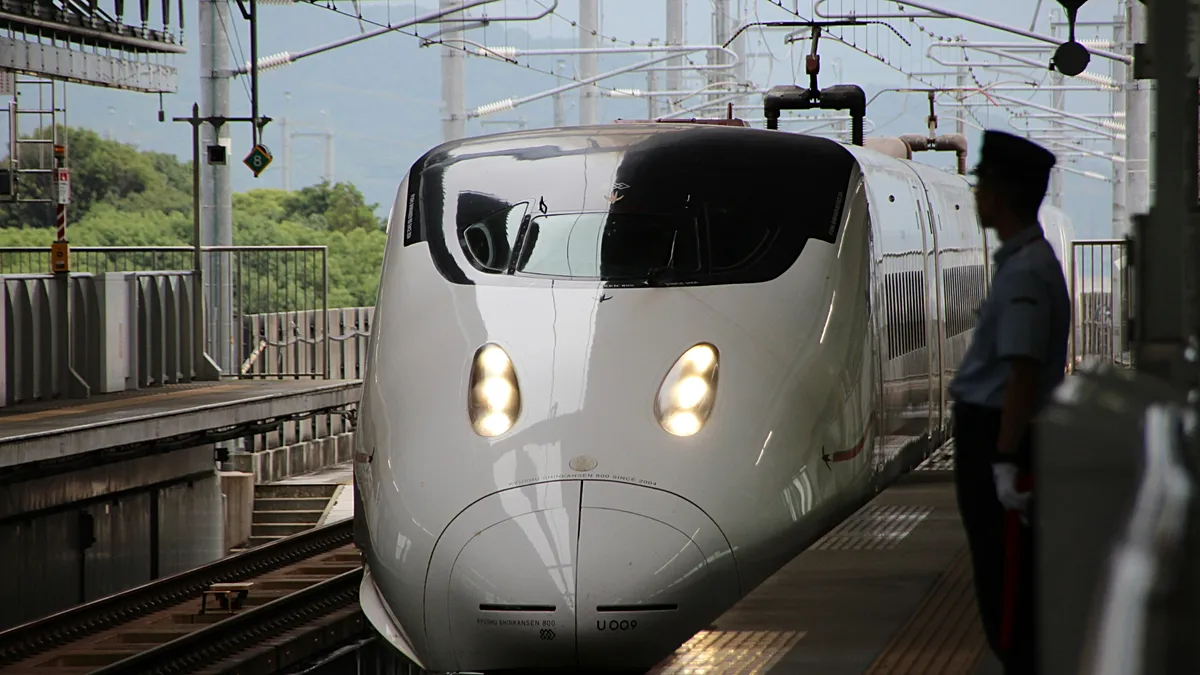
Japan launches supreme class bullet train – Japan is set to revolutionize its rail travel experience with the introduction of a new ‘Supreme Class’ service on its high-speed bullet trains. This initiative, announced by major railway operators, aims to elevate the comfort and exclusivity of long-distance travel, offering passengers private compartments that mirror the amenities of first-class airline cabins. The upgrade is expected to debut later this year, marking a significant shift in how commuters and tourists perceive the efficiency and comfort of Japan’s Shinkansen network.
Luxury Features in a New Class of Travel
The Supreme Class compartments will be available on select Shinkansen routes, starting with the Tokaido Shinkansen line. These private spaces will include secure doors, adjustable seating, and personal climate control systems, allowing travelers to enjoy a more tailored experience. The design incorporates dedicated Wi-Fi access, enhancing connectivity for those who require high-speed internet during their journey. JR Central and JR West, two of Japan’s leading rail companies, have confirmed that the service will initially be offered on approximately 12 trains per day, with plans to expand the number to 30 by the end of 2026.
The concept of private compartments on bullet trains has been in development for several years, driven by growing demand for premium travel options. While the Shinkansen is already renowned for its punctuality and comfort, the Supreme Class service will introduce a level of personalization that sets it apart from standard carriages. These suites will come in two distinct configurations, catering to different traveler needs. One option will feature a sofa-style layout, offering additional space and accommodating up to two passengers, while the other will be a more compact design tailored for solo travelers.
The pricing for the Supreme Class compartments reflects their enhanced amenities. For the most popular route between Tokyo and Nagoya, the larger compartment will cost ¥47,060 (€255) per one-way trip, with the second traveler required to purchase a basic fare ticket in addition to the limited express ticket. The smaller, solo-friendly option will be priced at ¥32,440 (€176), making it a more accessible choice for individual passengers. These rates are projected to attract a broader range of travelers, from business professionals to families seeking a more comfortable journey.
Future Expansion and Enhanced Accessibility
In addition to the Supreme Class compartments, Japan’s railway operators have announced plans for semi-private suites to be introduced in early 2027. These spaces will be available on select routes and feature lockable sliding doors, although they will not be fully enclosed. The design ensures that passengers can recline without disturbing those seated behind them, thanks to the reinforced shell of the seats. This innovation is expected to further improve the overall travel experience, offering a balance between privacy and space efficiency.
The expansion of premium services on the Shinkansen underscores Japan’s commitment to maintaining its position as a global leader in transportation innovation. With the aging population and increasing urbanization, the demand for comfortable, efficient, and personalized travel options has never been higher. The Supreme Class initiative is part of a broader strategy to modernize infrastructure and meet the evolving expectations of passengers. By 2028, the private compartments will be available on roughly 30% of all Tokaido Shinkansen trains, signaling a long-term shift toward luxury rail travel.
Industry experts suggest that this development could have a ripple effect on other rail systems worldwide. The integration of private cabins into high-speed trains sets a new benchmark for in-train amenities, potentially inspiring similar upgrades in Europe and North America. However, Japan’s unique approach to train travel, which emphasizes punctuality and cleanliness, remains a key differentiator. The Supreme Class compartments will not only offer physical comfort but also reinforce the cultural value placed on hospitality and convenience in Japan.
Impact on Travel and Passenger Experience
The introduction of Supreme Class compartments is expected to significantly influence the travel industry, particularly for those who rely on the Shinkansen for long-distance commutes or leisure trips. With Japan’s population projected to continue shrinking, the demand for premium services may also rise as travelers prioritize comfort over cost. The ability to book private cabins will provide an alternative for passengers who are willing to invest in a more exclusive experience, even if it means paying a higher fare.
Moreover, the new service will help address the growing need for flexible travel options. For example, business travelers may appreciate the added privacy and Wi-Fi access for conducting meetings on the go, while families will benefit from the extra space in the larger compartments. This dual approach ensures that the Supreme Class service appeals to a wide range of demographics, from solo adventurers to groups traveling together.
The design of these private spaces also highlights Japan’s engineering expertise. The inclusion of adjustable lighting and climate control systems demonstrates the country’s ability to incorporate cutting-edge technology into traditional transportation methods. Additionally, the secure doors and reclining seats will create a more immersive experience, allowing passengers to feel like they are in a private lounge rather than a standard train carriage.
While the initial rollout is limited to specific trains and routes, the long-term vision includes expanding these luxury options to more parts of the network. JR Central President Shunsuke Niwa emphasized the importance of this upgrade during a recent press conference, stating,
“The new Supreme Class compartments will ensure that our customers receive the highest quality of service, reflecting our dedication to innovation and excellence.”
This statement reinforces the companies’ goal of providing a seamless, high-end travel experience that aligns with Japan’s reputation for precision and sophistication.
The Supreme Class initiative is also a strategic move to compete with private aviation and car rentals. By offering private cabins on the Shinkansen, Japan’s railway operators aim to attract passengers who might otherwise opt for more expensive alternatives. The combination of speed, comfort, and exclusivity makes the bullet train an appealing choice for those seeking a balance between efficiency and luxury.
As the service evolves, it is anticipated that the pricing and availability will be adjusted to accommodate changing market conditions. For instance, the introduction of semi-private suites in 2027 could help reduce the cost per passenger, making luxury rail travel more affordable. The companies are also exploring partnerships with tech firms to enhance the digital experience, such as integrating mobile payment systems and on-demand service requests into the compartments.
Ultimately, the Supreme Class bullet train service represents a bold step forward in the evolution of rail travel. By combining the reliability of the Shinkansen with the comfort of private airline cabins, Japan is setting a new standard for high-speed transportation. This upgrade not only caters to the needs of modern travelers but also positions Japan as a pioneer in blending technological innovation with traditional infrastructure. As the service rolls out, it will be interesting to see how it impacts both passenger satisfaction and the broader rail industry globally.