Versailles Unveils Gallery for 250th Anniversary of U.S. Independence
Versailles unveils gallery for 250th anniversary – The Palace of Versailles is set to open a dedicated exhibition on Saturday, 4 July, commemorating the 250th anniversary of the United States’ declaration of independence. This new gallery, located within the historic apartment where King Louis XVI once hosted Benjamin Franklin, will serve as a tribute to the pivotal role France played in the American Revolution. The space marks a significant moment in history, as it was here in 1778 that France officially acknowledged American sovereignty, a decision that would shape the course of the War of Independence and lay the groundwork for international recognition of the fledgling nation.
A Symbol of Franco-American Ties
Following the signing of the Treaty of Versailles in 1783, which helped formalize the end of the Revolutionary War and secure the United States’ independence, the site has remained a cornerstone of diplomatic history. The new gallery will explore the complex relationship between Paris and Washington, showcasing artifacts and artworks that highlight the exchange of ideas, military alliances, and cultural influences between the two nations. By situating the exhibition in the very location where Franklin first presented his vision of American freedom to the French king, the palace aims to create a tangible link between the past and present.
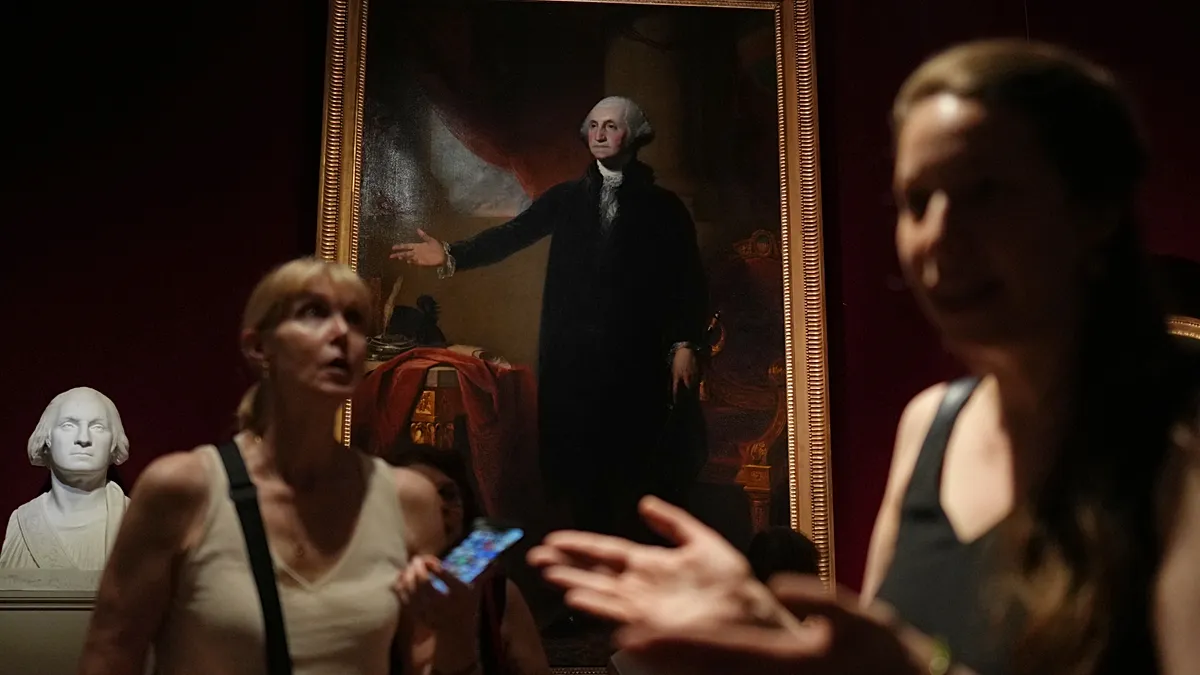
The exhibition features a curated selection of paintings, sculptures, and portraits from the palace’s extensive collection, including works depicting key figures such as Benjamin Franklin, the Marquis de La Fayette, and George Washington. These items will be displayed alongside historical documents and interactive displays to offer visitors a comprehensive view of the era. The space is designed not only to educate but also to immerse guests in the atmosphere of the time, emphasizing the shared ideals that united France and the United States during the 18th century.
Curators Reflect on the Exhibition’s Significance
“Creating a visitor route focused on the U.S. independence at Versailles is a natural choice,” explains Clara Terreaux, a curator at the palace. “Since Louis XVI’s reign, there has been an ongoing effort to highlight the connection between France and these events. This gallery is a continuation of that legacy, bringing together artifacts that symbolize the nation’s early struggles and triumphs.”
Terreaux’s comments underscore the historical continuity of the site, which has long been a backdrop for major diplomatic milestones. The exhibition also draws attention to the symbolic act of Louis XVI commissioning a grand candelabrum to honor the American cause, a gesture that reflected the monarchy’s commitment to the revolutionary ideals of liberty and equality. This artifact, now on display, will serve as a focal point for discussions about the intersection of art, politics, and national identity.
“The idea to commemorate the American Revolution through these galleries dates back to the aftermath of World War I,” says Laurent Salomé, director of the Palace of Versailles museum. “At that time, the museum’s director wanted to recognize the Americans’ contributions to Europe’s recovery. By highlighting their role, we also pay tribute to the enduring bond between our countries.”
Salomé’s perspective adds depth to the exhibition’s broader narrative, linking it to the post-war period when France sought to solidify its global influence. The galleries have evolved over time, with some iterations disappearing before being resurrected for this special anniversary. This revival not only honors the past but also reinforces Versailles’ role as a living museum of international relations, blending historical reverence with contemporary relevance.
Soft Power and the Role of Versailles
Versailles is widely regarded as one of the most potent symbols of France’s soft power. Its iconic Hall of Mirrors, sprawling Sun King gardens, and centuries-old grandeur continue to captivate audiences, serving as a stage for both national pride and global diplomacy. The new gallery is part of this tradition, offering visitors a chance to engage with the history of Franco-American collaboration in a visually stunning setting.
Salomé emphasizes the strategic importance of the venue: “This space was designed to inspire reflection, not just on the past but on the shared values that connect nations. Its grandeur is a diplomatic tool, but it also speaks to the harmony and beauty of the world.” The combination of historical context and aesthetic appeal is intended to create a powerful narrative, one that bridges the 18th century with the modern era.
Modern Diplomatic Echoes
The opening of the gallery coincides with a notable diplomatic event: just days prior, French President Emmanuel Macron hosted U.S. President Donald Trump at Versailles for the first time. The museum director recalls the visit with a sense of pride: “Trump was deeply impressed. He expressed admiration for the palace’s architecture and the historical significance of the space.”
Macron’s gesture, which echoed the 1778 meeting between Franklin and Louis XVI, highlights how Versailles continues to serve as a platform for international dialogue. The recent visit also drew parallels to the 1918 decision to honor America’s support during the Great War, reinforcing the palace’s role as a witness to cross-border cooperation. The gallery’s debut comes against the backdrop of these events, underscoring the enduring importance of Franco-American relations in shaping global history.
Adding another layer of historical resonance, the opening follows a dramatic moment in 2018 when Trump unexpectedly signed a memorandum to end the war in Iran during his visit to Versailles. This act, though seemingly unrelated to the American Revolution, mirrors the palace’s long-standing function as a venue for pivotal decisions. The juxtaposition of these events—separated by centuries—invites visitors to consider the evolving yet persistent role of France in international affairs.
By reimagining the space as a hub for reflection on the American Revolution, the Palace of Versailles not only celebrates its own legacy but also positions itself as a dynamic institution that connects history with the present. The gallery is expected to draw both domestic and international visitors, offering a rare opportunity to explore the roots of one of the world’s most influential nations through the lens of French history. As the exhibition unfolds, it will remind all who enter that the ideals of freedom and diplomacy are timeless, echoing across generations and continents.
With its blend of art, history, and symbolism, the new gallery at Versailles represents a bold step in reinvigorating the palace’s role as a center for global dialogue. It is a testament to the enduring partnership between France and the United States, a relationship that has weathered wars, political shifts, and the passage of time. As the 250th anniversary approaches, the exhibition stands as a reminder of the shared aspirations that have united these two nations for centuries.