UN Launches Hormuz Evacuation for 11,000 Stranded Seafarers
UN launches Hormuz evacuation for 11 000 – The United Nations’ International Maritime Organization (IMO) announced on Tuesday the initiation of a coordinated evacuation effort to rescue over 11,000 seafarers who had been trapped in the Gulf following the Strait of Hormuz’s closure. This critical operation marks a turning point as tensions between the United States and Iran ease, allowing commercial vessels to traverse the vital waterway once again. The decision to launch the evacuation comes after a historic peace deal between the two nations, which has restored stability to one of the world’s busiest maritime corridors.
Peace Agreement Paves the Way for Evacuation
The reopening of the Strait of Hormuz, a strategic chokepoint for global trade, was made possible by a peace agreement brokered between the U.S. and Iran. This deal ended months of conflict that had disrupted shipping lanes and raised fears of further attacks on maritime traffic. The strait, which lies between the Arabian Peninsula and the Persian Gulf, is essential for transporting approximately 20% of the world’s oil supply. Its closure had created a dangerous bottleneck, forcing ships to reroute and causing logistical challenges for seafarers stranded in the region.
IMO Secretary-General Arsenio Dominguez emphasized that the evacuation would be a joint effort involving regional nations, the shipping industry, and international partners. “This initiative will rely on collaboration with Iran, Oman, and all other coastal states in the Gulf, along with the U.S. and the maritime sector,” he stated in a formal declaration. Dominguez highlighted the organization’s role in ensuring safe passage, noting that the necessary safety protocols and navigational assurances have been confirmed to facilitate the operation.
Stranded Mariners and Economic Impact
When the Strait of Hormuz was closed on 28 February, the situation escalated rapidly. Iranian forces had imposed a blockade on the waterway, restricting movement for commercial vessels and leaving thousands of sailors unable to disembark. The crisis caused a spike in global oil prices and disrupted the supply of energy, food, and fertilizers. According to the U.S. Energy Information Administration, oil prices surged by over 15% during the period of closure, impacting economies worldwide.
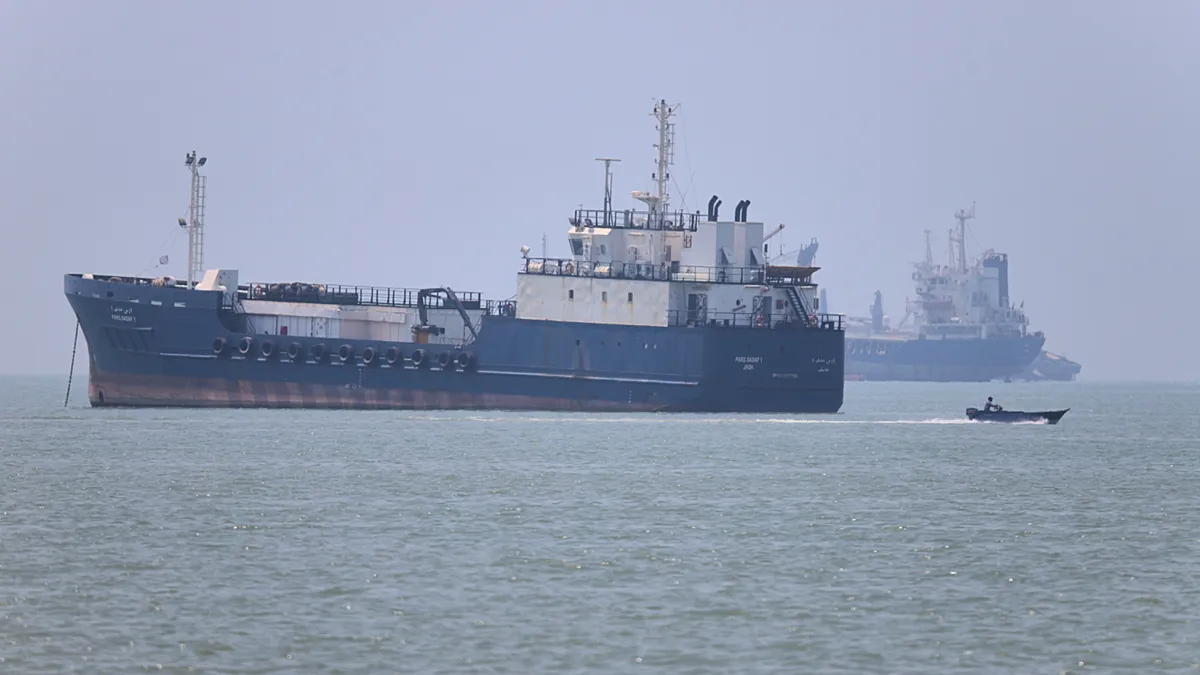
Many seafarers, who had been working on cargo ships and tankers, found themselves confined to the Gulf waters. With no clear path through the strait, vessels were forced to remain anchored or divert to alternative routes, adding to the strain on maritime operations. The IMO estimates that the situation left more than 11,000 workers stranded, including those on fishing boats, oil tankers, and container ships. Some were unable to reach their home ports for weeks, creating uncertainty for families and raising concerns about their safety.
Increased Traffic and Evacuation Strategy
Since the U.S.-Iran agreement took effect, shipping activity has rebounded. Data from the analytics firm Kpler shows that Monday’s traffic through the strait reached 36 vessels, the highest number since the conflict began. This increase signals a return to normalcy for the region’s maritime economy, though the IMO has advised caution. The organization has identified two temporary routes for the evacuation, ensuring that ships can navigate safely while the permanent solution is finalized.
Each vessel involved in the evacuation will receive tailored instructions, according to Dominguez. The process will prioritize the movement of stranded crews, with a focus on providing them with safe passage back to their countries of origin. Regional governments, including Oman and Iran, have been integral to this effort, offering logistical support and coordinating with international bodies. The IMO has also worked closely with shipping companies to ensure that their vessels can be swiftly redeployed.
Global Relief and Long-Term Implications
Dominguez expressed relief at the resolution of the crisis, calling it a “decisive step toward restoring maritime security.” He reiterated the importance of the peace agreement in ending the attacks on civilian ships, which had become a major concern for the global shipping community. “After months of hardship and distress for thousands of innocent workers, this deal brings hope and stability,” he said in a statement. The IMO has also highlighted the broader benefits of the agreement, including the potential to stabilize oil markets and ensure the uninterrupted flow of essential goods.
The evacuation operation is expected to take several weeks, with the IMO working alongside regional authorities to manage the logistics. Officials are optimistic that the new routes will allow for a smooth transition, minimizing delays for seafarers and restoring confidence in the region’s shipping infrastructure. However, challenges remain, particularly in ensuring that all stranded crews are accounted for and that the strait remains secure for the foreseeable future.
Quotes and Statements from Key Figures
“The agreement between Washington and Tehran has been a game-changer for global maritime trade. It not only allows vessels to resume their journeys but also ensures the safety of those who have been displaced for so long.”
Dominguez’s remarks underscore the significance of the peace deal in mitigating the crisis. The IMO has also acknowledged the role of international cooperation in resolving the situation, with contributions from the U.S., Iran, and Gulf nations. The organization plans to monitor the situation closely, providing updates as the evacuation progresses.
The reopening of the Strait of Hormuz is a symbolic victory for the maritime community, which has faced unprecedented disruptions. While the immediate threat has subsided, the incident has highlighted the vulnerability of global supply chains to geopolitical tensions. As the evacuation continues, the focus will remain on ensuring that all stranded seafarers are safely returned home, with the IMO and its partners working tirelessly to achieve this goal.
Experts warn that the situation could still be volatile, given the region’s complex political landscape. However, the successful resumption of shipping through the strait offers a glimmer of hope for the future. The IMO’s operation serves as a testament to the resilience of the global maritime industry and the importance of international collaboration in times of crisis.
As the first phase of the evacuation begins, seafarers are being prepared for departure. The IMO has coordinated with ship operators to allocate berths and schedules, ensuring that the process is as efficient as possible. With the new routes in place, the hope is that the strait will soon return to its pre-conflict status, allowing for the seamless movement of goods and people across the region.
For the families of the stranded seafarers, the operation brings a sense of relief. Many had been anxiously awaiting news of their loved ones’ safe return, with some unable to communicate for extended periods. The IMO’s efforts to restore connectivity have not only addressed the immediate needs of those trapped at sea but also reinforced the importance of maritime safety in international relations.
In summary, the UN’s evacuation plan for 11,000 seafarers represents a significant milestone in resolving the crisis caused by the Strait of Hormuz closure. The peace agreement between the U.S. and Iran has proven instrumental in reestablishing stability, and the coordinated efforts of the IMO and regional partners demonstrate the power of collective action in overcoming global challenges.