Passeport Controversy Explained: Why Did a French Town Cancel a Play About Refugees?
Passeport controversy explained – On a sweltering Saturday in southern France, a crowd gathered outside the theatre in Castres, not to enjoy a performance but to voice opposition to its sudden cancellation. The protest, which drew hundreds of people, was sparked by the decision of the city’s newly elected mayor to pull the play “Passeport” from its scheduled February 2027 debut. The move ignited a heated debate about the role of politics in cultural expression, highlighting tensions between the far-right National Rally (RN) party and the artistic community.
The Mayor’s Bold Move
Florian Azéma, the mayor of Castres, became the center of controversy when he abruptly canceled the play. His decision came as a shock to both the local theatre industry and the public, who had anticipated the performance as a key event in the upcoming cultural calendar. Azéma claimed the cancellation was a direct response to the play’s content, which he felt did not align with his political stance. According to the AFP news agency, the mayor stated that “these decisions had been made under the previous majority, and I had complete freedom to reverse them.”
Azéma’s remarks were met with immediate backlash. The play, which explores themes of exile, identity, and integration, had been previously praised for its nuanced portrayal of the refugee experience. By canceling the production, the mayor argued that the work promoted “illegal immigrants” and depicted the police in a way that conflicted with his vision for the city. “The role of an elected representative is not to decide what the people are allowed to see or think,” said Christophe Ramond, the socialist president of the Tarn department, in a post on X. “Culture must never be held hostage by politicians.”
The Play’s Narrative and Message
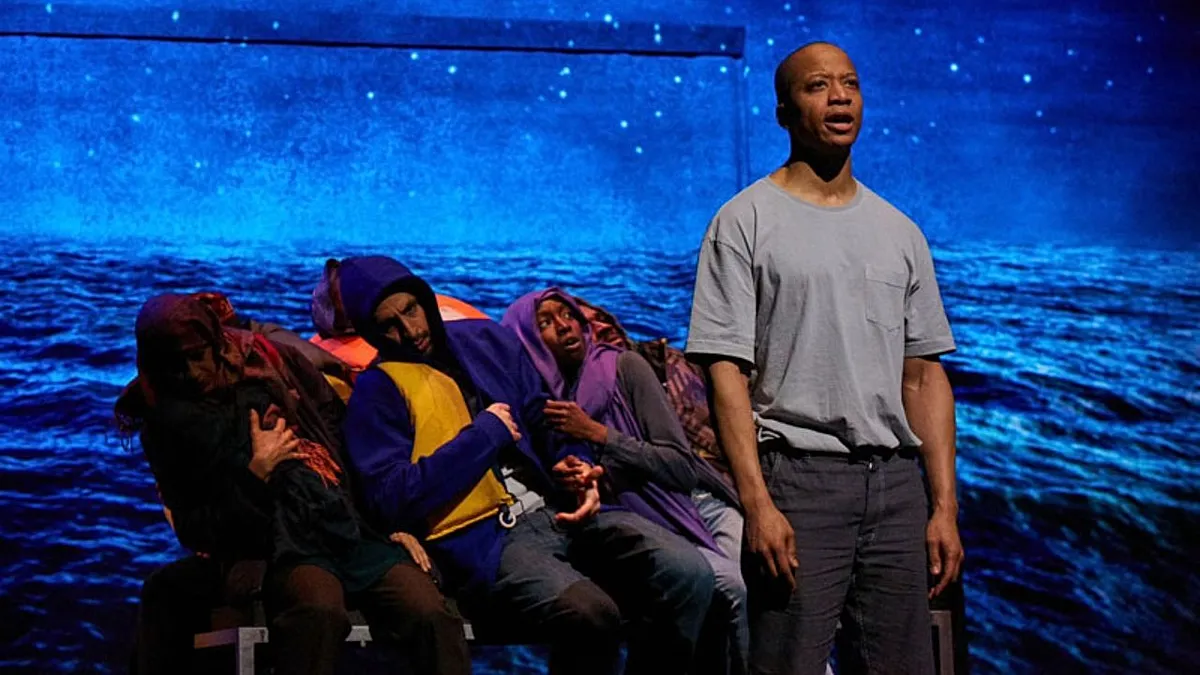
“Passeport,” written and directed by Alexis Michalik, tells the story of Issa, a young Eritrean man living in a refugee camp in northern France who struggles to reclaim his identity through the pursuit of a residence permit. The play was first staged in 2024 and has since gained recognition for its emotional depth and social commentary. Michalik, a prominent figure in French theatre, has long been celebrated for his ability to blend personal drama with broader societal issues. His work often highlights the challenges faced by migrants and the complexities of belonging in a multicultural society.
Michalik took to Instagram to explain the cancellation, stating that the decision was made “last minute, at the request of the city’s newly-elected RN officials.” This announcement underscored the growing influence of the far-right in cultural decisions. The play’s themes—exile, identity, integration, and exchange—were seen as a challenge to the mayor’s political narrative. “I’m not just worried about ‘Passeport,’” Michalik wrote, “I’m worried about all the works, all the artists and all the programme curators who might face the same fate tomorrow.”
A Broader Cultural Conflict
The incident in Castres has become emblematic of a larger debate over the far-right’s approach to cultural policy in France. In recent months, members of the publishing and film industries have criticized the conservative billionaire Vincent Bolloré for his increasing control over cultural institutions. His influence, coupled with the National Rally’s expanding reach, has raised concerns about the potential homogenization of artistic voices. Musicians and writers have also joined the fray, with an op-ed in the French magazine Politis last week calling for “resistance against the far-right” and defending the importance of creative freedom.
The controversy was further amplified by the results of the 2026 municipal elections, in which the National Rally and its allies secured 63 additional cities. Castres, a town with a population of around 35,000, was among those captured by the far-right. This political shift has led to questions about whether cultural programming will now be shaped more by ideological agendas than by artistic merit. Critics argue that the cancellation of “Passeport” sets a dangerous precedent, potentially stifling the voices of artists who tackle sensitive or socially relevant topics.
Support and Resilience in the Face of Opposition
Despite the cancellation, the play has found new life elsewhere. Its run at the Parisian Théâtre de la Renaissance continues, with the venue even offering a 50% discount for people born or living in Castres—a gesture that symbolizes the play’s enduring appeal. The socialist mayor of Lomme, a northern French town, has also pledged to host the performance in December, further demonstrating the cross-regional support for the work.
Michalik’s decision has garnered widespread solidarity. Catherine Pégard, the Culture Minister, condemned the cancellation, calling artistic freedom “a cornerstone of our democratic society.” In a speech to the National Assembly on June 16, she emphasized that “I condemn the cancellation of this show on the sole grounds that its subject matter does not align with the political views of the mayor of Castres.” Similarly, Tiago Rodrigues, the director of France’s esteemed Festival d’Avignon, expressed his support for the playwright, stating that he “would not work with an RN elected representative.”
The incident has reignited discussions about the balance between political influence and artistic independence. While Azéma defended his choice as a reflection of his values, others argue that it risks undermining the diversity of perspectives that enrich French culture. The play’s cancellation has become a focal point for those concerned about the erosion of creative liberty in the face of political pressure. As the debate continues, the future of “Passeport” and other works remains uncertain, with artists and curators left to navigate a landscape increasingly shaped by ideological priorities.
Implications for the Future
The cancellation of “Passeport” in Castres is not an isolated event. It reflects a trend in which local governments are using cultural programs to assert their political ideologies. For example, the play is set to return to the south of France for a special performance in January, indicating that the community remains committed to its message. This resilience, however, has also sparked broader questions about the sustainability of such artistic initiatives in the face of political resistance.
As the far-right continues to gain traction, its impact on cultural expression is expected to grow. The controversy surrounding “Passeport” highlights the need for safeguards to protect artistic freedom. Michalik’s work serves as a reminder that theatre, like other art forms, plays a vital role in shaping public discourse. The play’s journey from its original venue in Castres to other cities across France underscores the adaptability of art in the face of adversity. Yet, the incident also raises concerns about the potential for political agendas to overshadow creative intent, particularly in regions where far-right influence is strong.
In the end, the cancellation of “Passeport” has become a symbol of the ongoing struggle between artistic autonomy and political control. While the mayor of Castres may have succeeded in removing the play from its scheduled run, the story of Issa and his quest for identity continues to resonate. The incident has not only sparked debates about cultural policy but also inspired a wave of support from artists, activists, and citizens who believe in the power of theatre to challenge norms and provoke thought. As the discussion unfolds, the fate of “Passeport” and similar works will remain a key indicator of the evolving relationship between politics and culture in France.