Video: Catholics Walk Barefoot in Mud Ritual
A Sacred Tradition in the Rice Fields
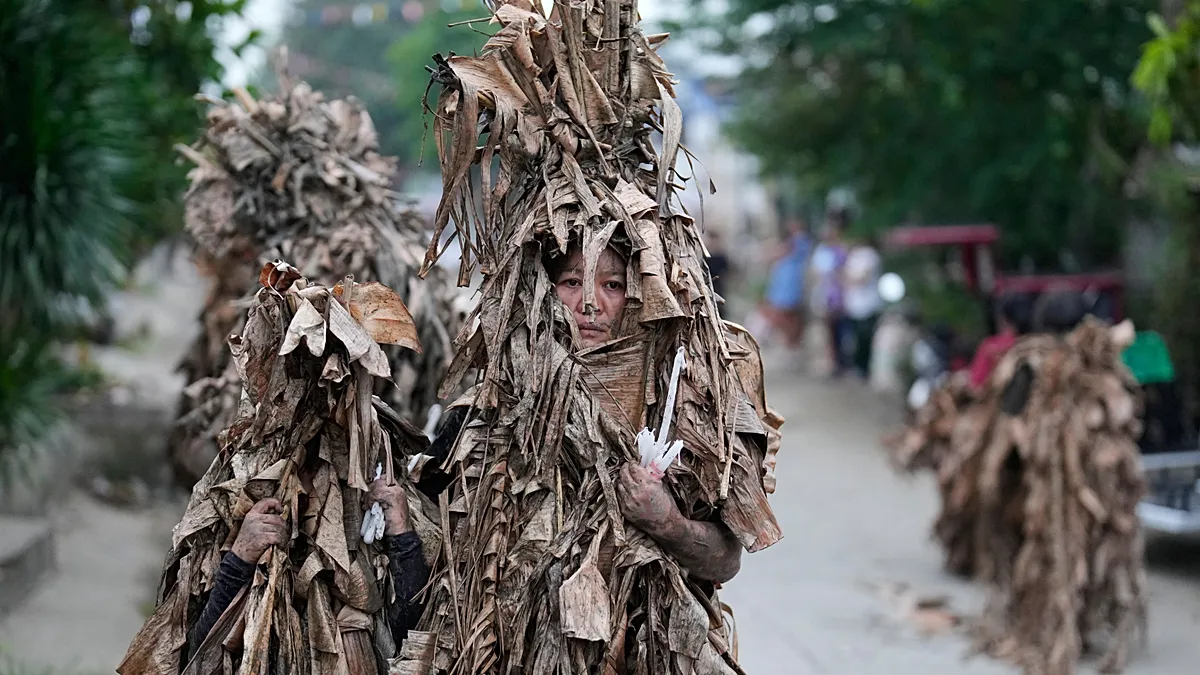
Catholics walk barefoot in mud ritual – Every year, Catholic followers assemble in the heart of rice fields to partake in the annual ‘Taong Putik’ festival, a ritual that honors St. John the Baptist. This unique celebration, rooted in deep spiritual and cultural significance, involves participants covering their bodies with a mixture of mud and dried banana leaves. The act symbolizes a cleansing of sins and a connection to the earth, reflecting the community’s devotion to their faith. As the sun rises, the villagers engage in a communal effort to prepare the grounds, creating a vibrant tapestry of tradition and unity.
The Ritual: Smearing, Dipping, and Walking
The festival’s core activities begin with participants of all ages applying a thick layer of mud to their faces and heads. This process is not just a physical act but a symbolic one, representing humility and gratitude. Women and children often gather to prepare the banana leaves, which are then dipped into the fields and used to adorn themselves. Men, meanwhile, carry candles, their flickering light illuminating the path as they traverse village roads barefoot. The rhythmic sound of footsteps and the scent of earth and banana leaves fill the air, creating an atmosphere of reverence and shared purpose.
Gratitude and Vows: The Spiritual Purpose
The ‘Taong Putik’ ceremony is deeply tied to the community’s spiritual practices, serving as both a thanksgiving for answered prayers and a fulfillment of vows made to St. John the Baptist. Devotees often recount stories of miracles or guidance they have received, which are then woven into the fabric of the festival. This year, as the procession unfolded, many shared personal anecdotes, reinforcing the ritual’s role as a bridge between the divine and the earthly. The act of walking barefoot is believed to purify the soul, while the mud and leaves act as a reminder of life’s natural cycles and the importance of humility.
From Fields to Church: The Journey Continues
After completing the ritual in the rice fields, the mud-covered devotees make their way to St. John the Baptist Church for Mass. The journey is not merely a transition but a continuation of their spiritual journey, with the community’s collective effort culminating in a sacred gathering. Inside the church, the air is filled with the aroma of incense and the gentle crackle of small fires, which are lit from the candles brought by participants. These fires are a testament to the faith and devotion of the attendees, who believe their offerings bring closer proximity to the saint. The Mass is accompanied by hymns, their melodies echoing through the church as a unifying force for the faithful.
Historical Roots and Cultural Significance
The origins of the ‘Taong Putik’ festival trace back centuries, with its practices evolving yet maintaining their core symbolism. St. John the Baptist, revered as a patron saint of purity and baptism, is central to the ritual’s meaning. The use of mud and banana leaves is thought to have been inspired by local agricultural practices, blending the physical labor of farming with spiritual reflection. Over time, the festival has become a cornerstone of the community’s identity, drawing participants from nearby villages and even beyond. It is a time when the boundaries between the mundane and the sacred blur, and the collective act of devotion reinforces cultural ties and shared beliefs.
A Devotee’s Perspective: The Power of Participation
“This ritual is more than a celebration—it’s a way to reconnect with our roots and the saint’s teachings,” says Maria, a local devotee who has participated for over a decade. “Walking barefoot in the mud makes us feel the weight of our blessings, and the banana leaves remind us of the simplicity that comes with faith.”
Maria’s words capture the essence of the festival, which is seen as a living expression of gratitude and humility. For many, the event is a deeply personal experience, blending personal faith with communal traditions. The physical exertion of the ritual is often described as a form of penance, while the laughter and camaraderie among participants highlight the joy inherent in the practice.
The Broader Impact: Community and Devotion
Beyond its immediate spiritual meaning, the ‘Taong Putik’ festival fosters a sense of unity and resilience within the community. The preparation for the event involves collaboration, with families contributing to the logistics of the gathering. This collective effort strengthens social bonds, as neighbors work together to ensure the festival’s success. The act of carrying candles, for instance, is often seen as a shared responsibility, with each participant’s light symbolizing their individual faith and the collective hope of the community.
Preserving Tradition in a Changing World
Despite the passage of time, the ‘Taong Putik’ festival remains a vibrant tradition that continues to attract thousands of devotees. In a world where modernity often overshadows ancient customs, the festival stands as a testament to the enduring power of faith. Local organizers emphasize the importance of passing down these practices to younger generations, ensuring that the rituals are not only remembered but also experienced. The festival’s annual recurrence in June, coinciding with the summer season, underscores its role as a marker of time and a celebration of life’s cycles.
A Symbol of Purity and Renewal
The mud and banana leaves used in the ritual are not just random elements—they are chosen for their symbolic meanings. Mud, often associated with the earth and the origins of life, represents the raw, unfiltered nature of existence. Banana leaves, with their natural texture and biodegradable quality, are seen as a humble offering, reflecting the simplicity of the saint’s message. These materials serve as a reminder of the interconnectedness between the community, the land, and their spiritual beliefs.
The Future of the Festival: A Living Legacy
As the festival continues to thrive, efforts are being made to preserve its authenticity while adapting to contemporary needs. Local leaders have introduced educational programs to explain the significance of each step in the ritual, ensuring that newcomers understand its deeper meaning. Yet, the essence of the event remains unchanged—its raw, communal energy and the profound sense of devotion it instills. For those who participate, the ‘Taong Putik’ is not just a festival but a lifelong journey of faith and renewal.
With its roots deeply embedded in history and its practices evolving yet remaining steadfast, the ‘Taong Putik’ festival continues to inspire awe and devotion. The blend of physical labor, spiritual reflection, and communal celebration creates a unique experience that resonates with both the past and the present. As the sun sets and the festival concludes, the memory of the day lingers, a reminder of the enduring power of tradition in shaping identity and faith.