Iran’s President Seeks War’s End Amid US Pressure
Usagevpn.com – Iran’s president calls for end to the conflict from what he described as a seat of strength, declaring on Friday that Tehran should leverage its current strategic footing to negotiate a ceasefire. President Masoud Pezeshkian framed the moment as one of confidence rather than fatigue, insisting the balance of forces had tilted decisively toward Iran and that prolonging the fight would squander that advantage.
“It is better that we bring the war to an end now as we are in a position of power and dignity.”
In the same address, Pezeshkian claimed that international opinion had already registered what he termed Iran’s victory, pointing to American strikes on schools, hospitals, and other civilian infrastructure as evidence of a campaign the world now views with condemnation.
“The whole world acknowledges our victory and emphasises that America has attacked our schools, hospitals and infrastructure in violation of we regulations and is hated around the world.”
Sanctions Tighten as Tehran Denounces Economic Warfare
The presidential remarks arrived amid a sharp escalation in Washington’s financial campaign against Tehran. Earlier that week, Iran’s foreign ministry branded the new sanctions package “economic terrorism” and “crimes against humanity,” demanding that those who designed and executed the measures face “trial and punishment for committing such heinous crimes.” The statement was distributed through state-run outlets.
Foreign Minister Abbas Araghchi amplified the rebuttal on social media, posting on X that the American push was a smokescreen masking domestic fiscal distress.
“The so-called ‘Economic D-Day’ is a diversion from America’s own crisis: unprecedented debt & surging interest costs.”
A Frozen Diplomatic Track and the Hormuz Standoff
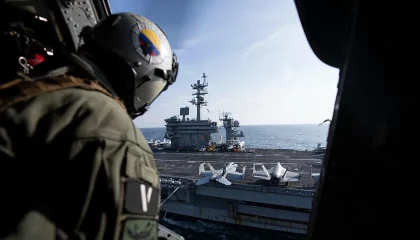
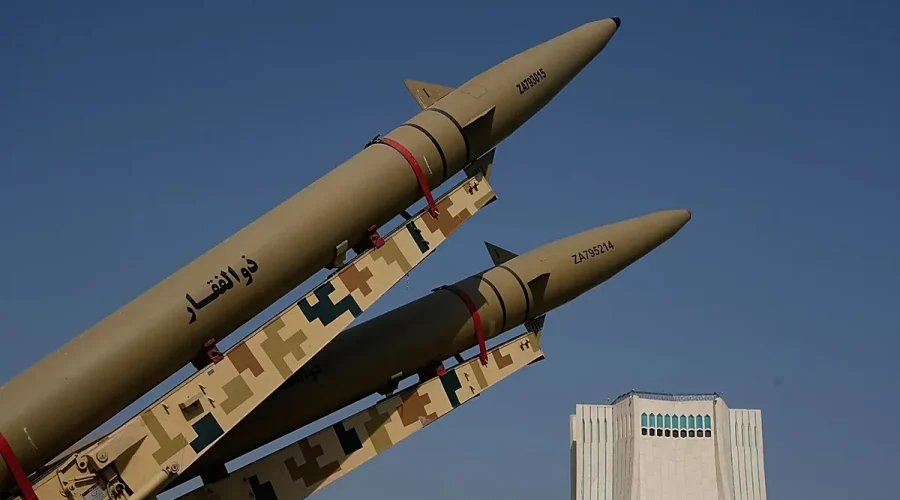
The war, set in motion in late February by a joint US-Israeli military campaign, has calcified into a grinding impasse. Tehran keeps the Strait of Hormuz shut — a corridor through which roughly one-fifth of global oil shipments normally flow — while Washington sustains a naval counter-blockade aimed at choking Iranian maritime trade. No formal negotiations have reopened, and both capitals appear willing to let the standoff persist while they consolidate their respective positions.
Washington has lobbied allied and partner governments, including Beijing, to join a wider effort to sever the Iranian economy from global markets. China’s foreign ministry responded with cautious skepticism. Spokesperson Lin Jian told reporters on Friday that coercive tools would not yield a resolution.
“Sanctions and pressure will not help resolve the issue. China calls on all relevant parties to take responsible measures and resolve the problem through political and diplomatic means.”
The diplomatic calendar heightens the stakes. Chinese President Xi Jinping is scheduled to visit the White House on 24 September, and the Iran question is expected to dominate the agenda, much as it did when Trump traveled to Beijing for a bilateral summit in May.
Washington Bets on Economics Over Bombs
US Treasury Secretary Scott Bessent characterized the sanctions escalation as a deliberate substitution of financial pressure for kinetic force, arguing that a more aggressive monetary campaign lowers the probability that Washington will need to revert to large-scale strikes on Iranian territory. He indicated he would detail the specific measures at a press conference on Monday.
Iran, however, has spent years engineering resilience against Western financial isolation. The country has expanded domestic manufacturing, woven informal cross-border trade networks, procured restricted goods through intermediary states, and maintained a shadow fleet to move oil exports past enforcement. Hadi Kahalzadeh, an Iran economic specialist at Brandeis University, described the result as a system that absorbs shocks without collapsing.
“Iran’s resistance capacity not only avoids collapse, it also prevents the economic pain from translating into the political pressure and changes that the US expects.”
The Domestic Toll
Yet the macroeconomic outlook remains severe. The International Monetary Fund projects Iranian inflation will approach 70 percent by year’s end, while the overall economy is forecast to contract by more than five percent. Petrol prices have been held artificially low through government subsidies, but a presidential aide told state television last week that the fiscal burden of maintaining those subsidies is becoming unsustainable.
Frequently Asked Questions
What did Iran’s president say about ending the war? President Pezeshkian stated that Tehran should conclude the conflict now because it occupies a “position of power and dignity,” framing the decision as one of strategic timing rather than exhaustion.
Why did Iran’s foreign ministry condemn the new US sanctions? The ministry labeled the measures “economic terrorism” and “crimes against humanity,” calling for the architects of the sanctions to be tried and punished.
Is the Strait of Hormuz still closed? Yes. Tehran continues to hold the chokepoint shut while Washington maintains a naval counter-blockade. No formal talks have resumed between the two sides.
What does the IMF project for Iran’s economy? Inflation is expected to climb close to 70 percent by year’s end, and overall economic output is forecast to contract by more than five percent.
When is the next major diplomatic event? Chinese President Xi Jinping is scheduled to visit the White House on 24 September, where the Iran question is expected to feature prominently.