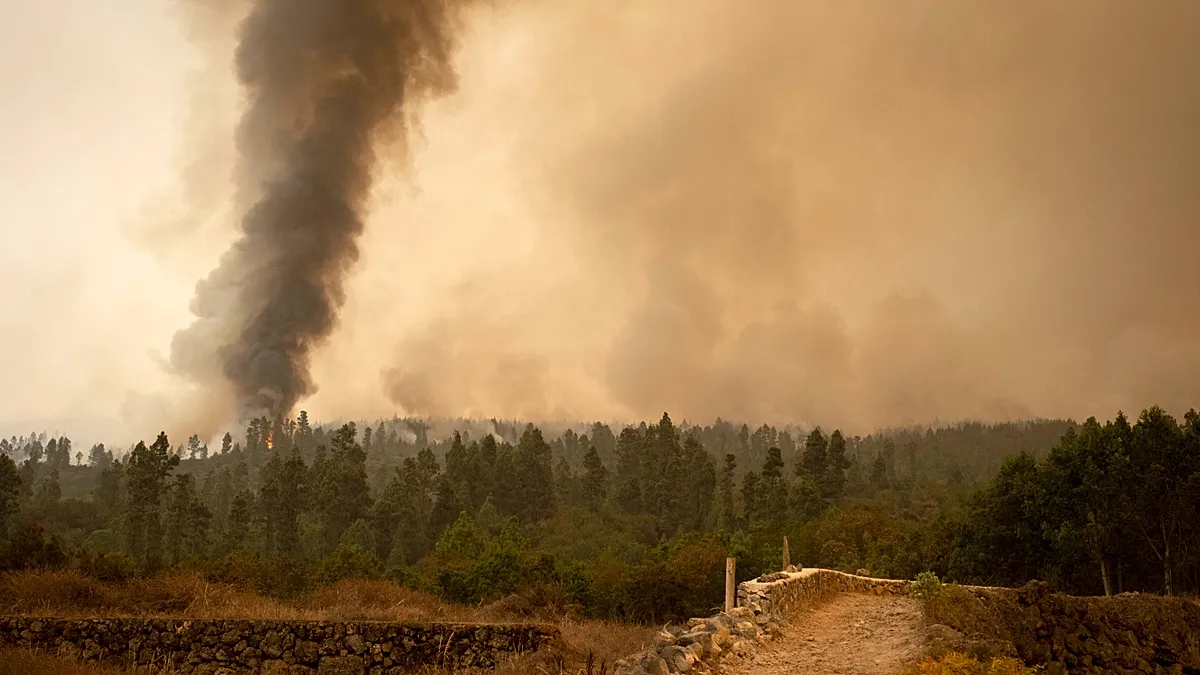
Forest Fire Figures in Spain in 2026
Forest fire figures in Spain in 2026 – Spain’s 2026 wildfire season has sparked debate among officials and analysts, as the data on burned land reveals stark discrepancies depending on the source. While the European Forest Fire Information System (EFFIS) estimates that approximately 50,000 hectares have already been scorched this year, the Ministry for Ecological Transition (Miteco) reports a slightly lower figure of 39,700 hectares, based on regional government submissions by June 21. These contrasting numbers highlight the complexity of tracking wildfires, as the methodologies used by different institutions shape the final statistics.
Comparing Data Sources
EFFIS, an EU-wide monitoring tool, relies on satellite imagery to provide real-time data, offering a broader, more continuous view of fire activity. In contrast, Miteco aggregates reports from Spain’s regional authorities, which may delay updates or vary in precision. This dual approach creates a more comprehensive picture, combining immediate satellite insights with localized reporting. However, the gap between the two figures underscores the challenges of standardizing fire statistics across regions and monitoring systems.
June’s Record-Breaking Impact
June has proven to be the most devastating month so far in 2026, with over 15,900 hectares consumed by flames—a figure exceeding any previous month’s total. This surge has raised concerns about the intensity of the summer season, as the fire count climbs rapidly. July, by contrast, has started with relatively calm conditions, though the data remains fluid as of the time of this report. Analysts suggest that the early months of the year have set a precedent for potentially extreme fire activity later in the season.
Regional Variations and Surprises
When analyzing the regional impact, Cantabria emerges as the most affected area, with approximately 15,500 hectares scorched—surpassing all other provinces this year. This is unexpected, as historically, regions like Ourense, Zamora, and León have dominated in terms of annual fire damage due to their dense vegetation and rugged terrain. Yet, the 2026 season has defied traditional patterns, with Cantabria’s unique geographical and climatic factors contributing to its unprecedented situation.
Álava, another notable region, has recorded a stark anomaly. While the province has burned only 100 hectares, this is significantly higher than its average for this time of year. Such deviations suggest that even regions not typically prone to wildfires can experience unexpected outbreaks under certain conditions. These variations highlight the importance of localized data in understanding the broader trends of the season.
Major Fires and Their Impacts
Spain has documented 14 major forest fires this year, defined as blazes exceeding 500 hectares in size. Notable incidents include the recent fires on the Costa Brava, which erupted on July 3, and those in San Bartolomé de la Torre and Villanueva de los Castillejos in Huelva, Alcampell in Huesca, Obejo in Córdoba, and Congosto in León. These fires have not only caused immediate destruction but also left lasting environmental scars, with recovery efforts expected to span decades.
Despite their relative scarcity compared to the total number of wildfires declared annually, major fires account for a significant portion of the damage. This trend has persisted throughout the 21st century, with Spain’s cumulative total of 353 major fires underscoring the long-term toll on ecosystems and communities. The Ministry for Ecological Transition notes that these blazes often result in extensive loss of biodiversity, infrastructure, and agricultural land, necessitating robust prevention and response strategies.
EU-Wide Fire Trends
The phenomenon of wildfires is not isolated to Spain. Across the European Union, the total burned area already stands at 130,400 hectares, a 16% increase over the typical amount for this period. Some countries have seen even greater deviations, with their fire activity surpassing historical averages. This pattern of seasonal fluctuation—marked by periods of relative calm followed by intense fire peaks—is now a familiar rhythm for the region.
Environmental experts attribute this cyclical pattern to a combination of climate variability, human activity, and natural conditions. For instance, prolonged dry spells, high temperatures, and strong winds can rapidly escalate small fires into large-scale disasters. In 2026, the early summer has provided ideal conditions for such outbreaks, with June’s extreme weather contributing to the record figures. July’s relatively quiet start may indicate a temporary reprieve, but the potential for further escalation remains high.
Looking Ahead: July and August Predictions
The upcoming months of July and August will be critical in determining the trajectory of Spain’s 2026 fire season. Traditionally, these months are the most dangerous, with heatwaves and low humidity creating a perfect environment for wildfires. While the current data suggests a strong June, analysts are monitoring whether the trend will continue or if the summer will bring even more severe conditions.
Efforts to mitigate the impact of these fires have focused on early detection, community preparedness, and controlled burns. However, the scale of the current season has tested these measures, revealing gaps in response capabilities. The Ministry for Ecological Transition has emphasized the need for improved coordination between regional authorities and the national system, as well as investments in advanced technology for fire monitoring.
For now, the data remains a mix of conflicting estimates and regional disparities. While the European Forest Fire Information System paints a more expansive picture, the Ministry’s figures provide a grounded perspective on the actual damage sustained. This duality is a reflection of the broader challenges in wildfire management, where real-time observation and localized reporting must align to create a unified strategy. As the season progresses, the focus will shift to whether these efforts can curb the escalating trend or if Spain will face another record-breaking year of forest fires.
The 2026 wildfires serve as a stark reminder of the vulnerability of ecosystems to climate-driven disruptions. Cantabria’s unexpected surge and Álava’s deviation from historical norms highlight the unpredictable nature of the season, challenging long-held assumptions about fire-prone regions. With the European Union also experiencing heightened activity, the continent faces a shared challenge in adapting to a changing climate. The coming weeks will be pivotal in shaping the final narrative of Spain’s 2026 fire season, offering insights into the resilience of both natural and human systems in the face of environmental stress.
As the data continues to evolve, it becomes clear that the 2026 wildfires are not just a local issue but a part of a larger, global pattern. The increase in burned area across the EU underscores the interconnectedness of climate factors, with Spain’s experiences mirroring those of other nations. This season’s anomalies may signal a shift in the traditional fire cycle, prompting a reevaluation of preparedness and response frameworks. The interplay between regional reporting and satellite monitoring will be key in navigating these uncertainties, ensuring that the figures accurately reflect the scale of the crisis.
In conclusion, the 2026 forest fire figures in Spain reveal a dynamic and evolving situation. The contrast between EFFIS and Miteco’s data, the unexpected regional impacts, and the EU-wide trends all contribute to a complex narrative. As July and August unfold, the world will watch closely to see if these months break the previous records or if they mark a new phase in the annual fire cycle. The stakes are high, with each hectare burned representing a step closer to irreversible ecological damage.