
Qatar PM after Gulf energy attacks: ‘This war must be stopped immediately’
Qatar PM after Gulf energy attacks: ‘This war must be stopped immediately’
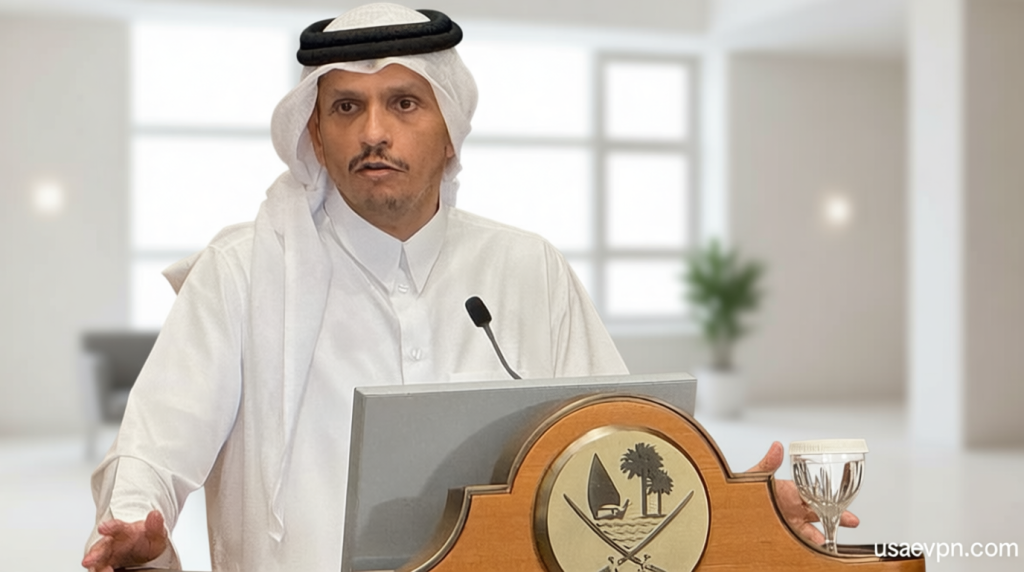
On Thursday, Qatar’s Prime Minister Sheikh Mohammed bin Abdulrahman Al Thani issued a sharp warning, emphasizing the need for immediate intervention in the escalating regional conflict. His remarks came as tensions surged following a series of strikes targeting energy infrastructure across the Gulf.
Al Thani addressed the situation alongside Turkey’s Foreign Minister Hakan Fidan, asserting that Qatar is calling for Iran to halt its attacks on Gulf nations. He highlighted the danger of the current situation, noting that the strikes are endangering civilians and jeopardizing global energy security. The leader pointed to Israel’s recent targeting of Iran’s main natural gas field as a catalyst for the retaliation.
“This war must be stopped immediately, because everyone knows who is the biggest beneficiary and the cause of the conflict.”
Tehran’s response was swift, launching missile attacks on energy facilities in Saudi Arabia, Kuwait, and Qatar’s Ras Laffan hub, a critical center for liquefied natural gas exports. Al Thani condemned the sabotage of Qatar’s infrastructure, criticizing Iran’s actions as reckless and destabilizing. “The attack on Ras Laffan yesterday exemplifies an aggressive and irresponsible policy,” he stated, adding that Iran’s retaliation targeted Qatar directly despite its earlier condemnation of Israel’s strike.
The strikes have intensified worries in global energy markets. Qatar shares the world’s largest natural gas reserve with Iran, underscoring the region’s strategic role in international supply chains. Disruptions at Ras Laffan, the globe’s largest LNG export facility, have already sparked price hikes, with European gas markets reaching peaks since the conflict began three weeks ago.
Meanwhile, U.S. President Donald Trump claimed on social media that Israel acted unilaterally and bore full responsibility for the Wednesday attacks. Fidan, however, framed the situation as a broader threat, describing the region as a “battlefield that endangers global stability.” He also noted that diplomatic efforts are still in progress, with Turkish mediators engaging both Iran and the United States to promote de-escalation. “Almost all the world wants this war to end,” he added.