
‘Won’t be anything left’: Trump issues warning to Iran after national security team meeting
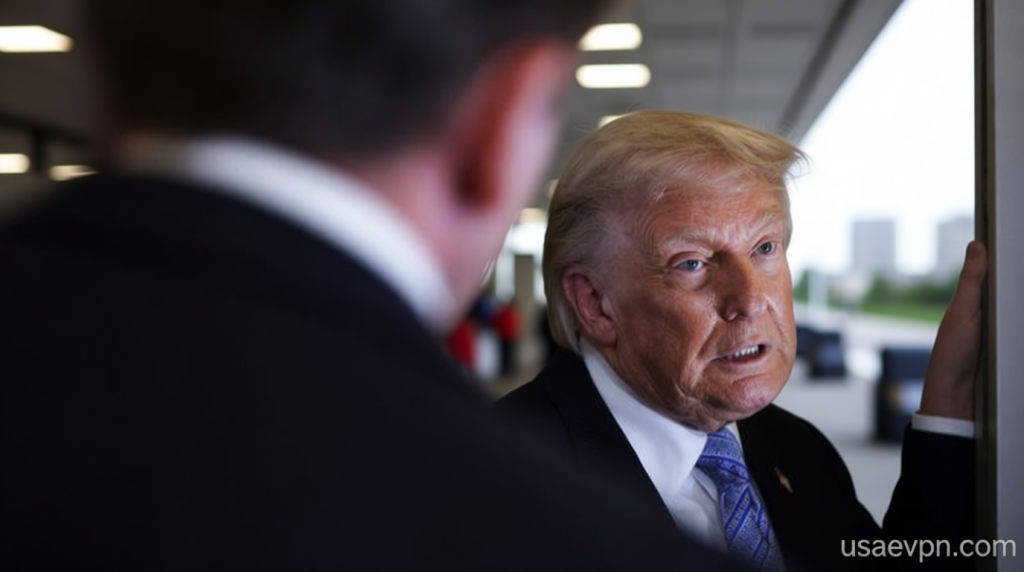
‘Won’t be anything left’: Trump Issues Warning to Iran After National Security Team Meeting
Won t be anything left – President Donald Trump warned Iran that it must act swiftly or face severe consequences, according to a message shared on his social media platform, Truth Social, following a high-level meeting with his national security advisors. The statement, which appeared to be a direct message to Tehran, emphasized the urgency of the situation, with Trump declaring that “the Clock is Ticking” and that the nation “better get moving, FAST, or there won’t be anything left of them.” This warning comes as the administration weighs its next steps in the escalating conflict with Iran, a country that has long been a focal point of U.S. foreign policy tensions.
Strategic Session at the Virginia Golf Club
The meeting, held at Trump’s Virginia golf club, brought together key figures in his national security apparatus, including Vice President JD Vance, Secretary of State Marco Rubio, CIA Director John Ratcliffe, and special envoy Steve Witkoff. The gathering took place a day after Trump returned to Washington from a pivotal visit to China, a nation that maintains strong ties with Iran. While the meeting itself was brief, it marked a critical turning point in the administration’s approach to the ongoing standoff, as Trump’s team prepared to outline potential military and diplomatic options.
The White House did not immediately comment on the meeting’s outcomes, but sources close to the discussion confirmed that the session focused on Iran’s progress in diplomatic negotiations and the threat posed by its continued actions in the region. Trump’s frustration with Tehran’s handling of talks has grown, particularly over the closure of the Strait of Hormuz, a vital waterway that has disrupted global oil supplies and driven up energy prices. The president’s team has been vocal about the economic implications of Iran’s maneuvers, framing them as a direct challenge to U.S. interests.
China Visit and Strategic Delays
Trump’s recent trip to Beijing added a layer of complexity to the situation. During his visit, he engaged in high-stakes talks with Chinese President Xi Jinping, focusing on trade, regional stability, and Iran’s role in global affairs. The administration delayed finalizing its strategy for Iran until the China negotiations concluded, a decision that some officials believed would allow for a more coordinated approach to pressure Tehran. However, the delay has also fueled concerns about the pace of action, with critics arguing that the window for diplomatic resolution is narrowing.
Despite his preference for diplomacy, Trump has increasingly considered military strikes as a way to force Iran into a position of compromise. In recent days, reports have indicated that the president is leaning toward resuming large-scale combat operations, a move that would target key infrastructure and energy sites within Iran. The Pentagon has been working on detailed plans for such strikes, including options for precision bombing campaigns designed to cripple Iran’s ability to sustain its current level of activity. These preparations reflect a growing readiness to escalate tensions if diplomatic efforts falter.
Global Impact and Regional Stability
The closure of the Strait of Hormuz has already caused ripples in global markets, with oil prices surging as a result of the restricted flow of crude. Trump’s team has highlighted this as a critical issue, warning that further delays could lead to prolonged economic strain and a broader regional crisis. The president’s message on Truth Social underscored the need for immediate action, framing Iran’s inaction as a threat to international security and stability.
Meanwhile, the U.S. has maintained close ties with Israel, a key ally in the Middle East. Trump spoke with Israeli Prime Minister Benjamin Netanyahu on Sunday, reinforcing the alliance’s importance in countering Iranian aggression. A spokesman for Netanyahu confirmed the call, noting that the conversation focused on shared strategic goals and the necessity of a unified front against Iran. This diplomatic coordination has strengthened the U.S.-Israel partnership, which is seen as a crucial component of any potential military response.
Iranian Stance and Mediation Efforts
On the Iranian side, there are no signs of a willingness to back down, according to recent reports. Tehran officials have continued to assert their position, emphasizing Iran’s right to defend its interests and challenge U.S. dominance in the region. During a meeting with Pakistan’s interior minister, Mohsin Naqvi, Iranian leaders reiterated their belief that the U.S. presence in the Middle East has created instability, with a focus on the impact of American military operations and sanctions on regional dynamics.
Pakistan, a key mediator in the U.S.-Iran peace talks, has played a critical role in facilitating dialogue between the two nations. The country’s government has served as a bridge, leveraging its close relationships with both the U.S. and Iran to push for a resolution. However, the latest meeting between Naqvi and Iranian officials did not yield any new concessions, suggesting that Tehran remains firm in its stance. The Iranian media, via the state-run Tasnim news agency, has echoed this sentiment, with President Masoud Pezeshkian stating that the U.S. and Israel “have always tried to pit Islamic nations against one another through divisive projects and by fostering distrust” even as “Iran seeks sincere, stable relations based on good neighborliness with the region’s Islamic countries.”
Analysts note that Iran’s strategy of maintaining a delicate balance between confrontation and diplomacy has allowed it to avoid immediate military consequences. However, Trump’s latest warnings signal a shift toward a more aggressive posture, with the administration prepared to take decisive action if Iran does not show progress. The decision to delay action during the China visit has been justified as a way to secure broader geopolitical support, but it has also left the U.S. vulnerable to further Iranian provocations.
Next Steps and Potential Consequences
According to sources, Trump is expected to convene with his national security team again this week to finalize the next course of action. The meeting will likely assess the effectiveness of recent diplomatic efforts and determine whether military strikes should be pursued as a last resort. The Pentagon’s prepared target plans include a range of options, from limited strikes on military installations to more comprehensive attacks on energy and transportation infrastructure, which could have cascading effects on Iran’s economy and its ability to project power.
While the administration has not yet announced a formal strategy, the message from Trump on Truth Social suggests that time is running out for Iran. The president’s team has been sending a consistent signal of readiness to escalate, with the warning that Tehran’s inaction could lead to devastating outcomes. This rhetoric has been amplified by key allies, including Israel, which has been a vocal supporter of military action against Iran’s nuclear ambitions and regional influence.
As the situation evolves, the international community is watching closely for any signs of a new conflict. The U.S. has positioned itself to act decisively, while Iran continues to rely on its strategic partnerships and regional alliances to withstand pressure. The coming days will be crucial in determining whether the administration will follow through on its threats or continue to pursue diplomatic solutions, even as the stakes for both sides continue to rise.
CNN’s Aida Karimi and Issy Ronald contributed to this report.