US Department of Defense Adds Alibaba, BYD, and Baidu to Chinese Military-Linked Companies List
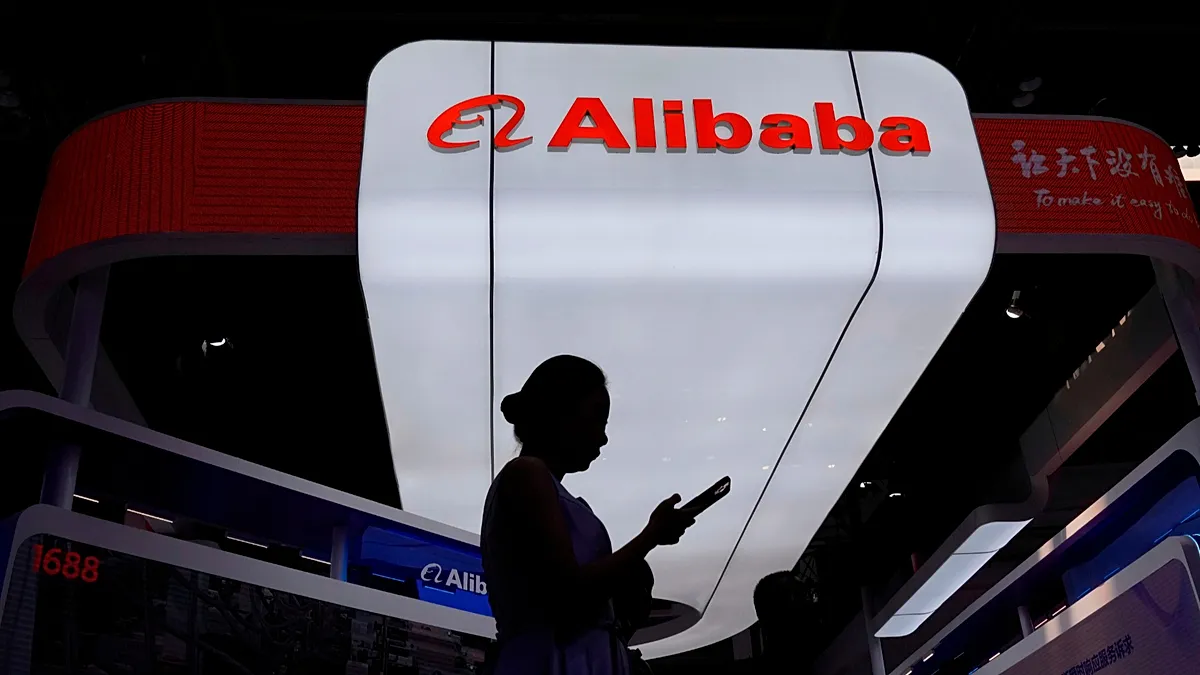
US puts Alibaba BYD and Baidu – The Pentagon has expanded its list of Chinese entities deemed connected to the military, incorporating Alibaba, BYD, and Baidu into the designation. This move restricts their access to US defense contracts, marking a substantial increase in the number of companies under scrutiny. As of Monday, the list now comprises 188 entities, up from 134 the previous year. Notably, the updated roster includes prominent non-state-owned firms that were not traditionally linked to defense or security operations, underscoring growing concerns in Washington about Beijing’s use of civilian enterprises to bolster its military capabilities.
Expanded Designation Reflects Strategic Concerns
The list, established through a congressional mandate in 2021, identifies companies with ties to the Chinese military apparatus, extending beyond those directly controlled by security forces. The Pentagon now considers firms that contribute to the country’s defense industrial base as potential targets. This shift highlights the administration’s focus on preventing China from leveraging its technological advancements for military advantage. The inclusion of Alibaba, BYD, and Baidu exemplifies the broader strategy to target companies that, while primarily engaged in civilian sectors, may indirectly support military objectives.
Alibaba, a global tech giant, is now listed due to its connection to the Ministry of Industry and Information Technology. The Pentagon cited this affiliation as evidence of the company’s role in enhancing China’s defense capabilities. Similarly, BYD and Baidu were added for their ties to the same ministry, which oversees technology and industrial policies. These additions signal a more comprehensive approach to screening firms for potential military ties, even if they operate in non-defense areas.
Reactions and Implications for US Businesses
Following the list’s release, the House Select Committee on the Chinese Communist Party labeled it a “warning to American businesses, all levels of government, and the American people.” The committee emphasized that companies on the list should be delisted from US exchanges and that no American firms should engage with them, lest they aid China’s military growth. This statement has intensified debates over the balance between economic collaboration and national security.
Alibaba and Baidu have responded to the designation, asserting that their involvement with the Chinese military is minimal. In a statement, Alibaba clarified,
“Alibaba is not a Chinese military company nor part of any military-civil fusion strategy.”
Baidu, which has diversified into artificial intelligence and autonomous vehicle technology, dismissed the claim as “entirely baseless.” The e-commerce giant highlighted its commitment to civilian innovation, while Baidu pointed to its separate initiatives in emerging technologies as proof of its non-military focus.
The inclusion of these firms also raises questions about the broader impact on the tech sector. Companies like DJI, a major drone manufacturer, were already on the list, but the new additions demonstrate the Pentagon’s intent to widen its net. This expansion may affect international supply chains and influence partnerships between US firms and Chinese counterparts, creating uncertainty for businesses operating in both markets.
Trump’s Comments and Industry Reactions
President Donald Trump had previously expressed openness to Chinese automakers such as BYD, suggesting that their presence in the US could be beneficial. However, many lawmakers have since advocated for a ban on Chinese electric vehicles, citing concerns over trade imbalances and technological dependence. This contrast between Trump’s stance and current legislative priorities underscores the evolving nature of US policy toward China.
Among the new additions is Unitree, a robotics company whose robots gained attention after captivating Simon Cowell on NBC’s America’s Got Talent. The Pentagon noted that Unitree’s designation as a small or medium-sized enterprise enabled it to receive strategic support from the Chinese government. This assistance, the department argued, allowed the firm to develop cutting-edge technology that could be repurposed for military applications. Such cases illustrate how the list aims to intercept innovations before they are integrated into defense systems.
Beijing has criticized the US actions as an overreach, accusing Washington of stretching the definition of national security. The Chinese Embassy stated that Chinese companies comply with local regulations and that the designation is discriminatory. “The US should stop its wrong practice and create a fair, just and non-discriminatory environment for Chinese companies,” the embassy asserted. This response highlights the tension between the two nations, with Beijing framing the list as an attempt to stifle China’s economic progress.
Broader Context and Future Outlook
The expansion of the list reflects a strategic effort to isolate China’s military-industrial complex from civilian enterprises. By targeting firms in the tech sector, the Pentagon aims to disrupt the flow of advanced technologies that could accelerate China’s military modernization. This approach aligns with broader measures, including export controls and investment restrictions, to limit China’s access to critical US innovations.
While the designation may impact the companies’ reputations, it does not necessarily halt their operations in the US. However, the risk of further restrictions and reputational damage remains significant. The list also serves as a symbolic message to other nations, encouraging them to scrutinize their partnerships with Chinese firms. This could lead to a ripple effect, influencing international trade agreements and technology transfers.
As the US continues to refine its strategy, the inclusion of Alibaba, BYD, and Baidu underscores the growing emphasis on supply chain security. The decision to list these companies reflects a shift in focus from direct military ownership to indirect contributions to the defense sector. This nuanced approach allows the Pentagon to target a wider range of entities, including those that may operate in seemingly unrelated fields.
The situation highlights the complexity of global trade in the context of geopolitical rivalry. While the US seeks to protect its technological edge, China’s ability to integrate civilian advancements into its military infrastructure remains a key concern. The ongoing debate between the two nations may shape the future of international collaboration, particularly in the tech industry. For now, the updated list stands as a testament to the Pentagon’s commitment to safeguarding national security through targeted economic measures.