
UFOs and a Tardis – why unusual holiday stays are booming
UFOs and a Tardis – why unusual holiday stays are booming
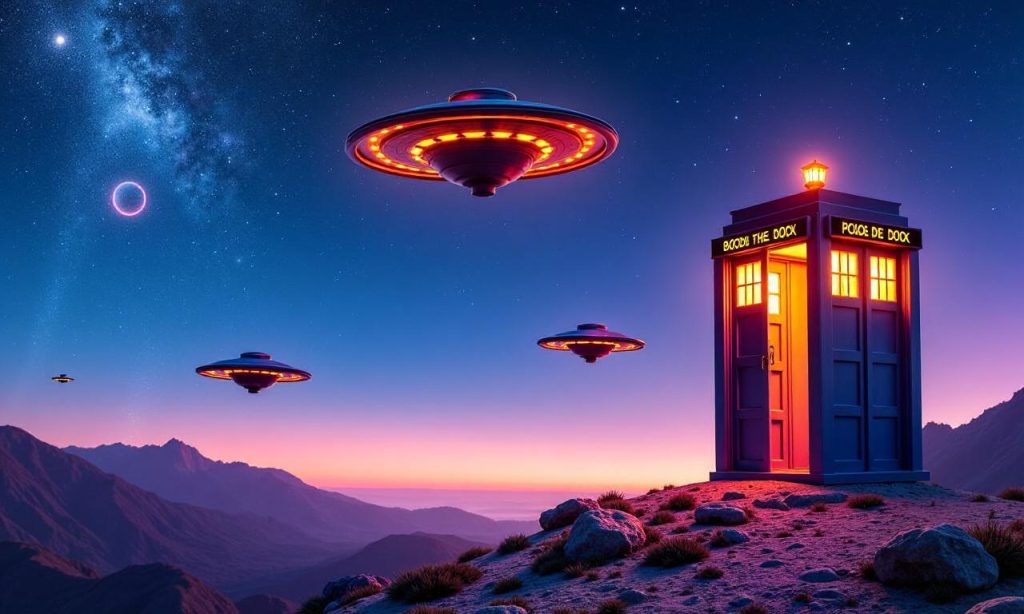
Nestled in a remote part of Pembrokeshire, a peculiar structure resembling a landed alien craft emerges from the surroundings. Surrounded by undulating farmland and starlit skies, the UFO-shaped pod is intentionally out of place, a deliberate choice that resonates with modern travelers.
The couple’s unconventional vision
The Spodnic UFO is part of a small, independently operated glamping retreat owned by Martin and Carol Anne Johnson, who have spent over a decade converting an overgrown area around a crumbling mill into a collection of unique holiday accommodations. Their approach taps into a growing trend in UK tourism, shifting focus from standard lodging to experiences that redefine the purpose of a getaway.
“Guests are seeking more than just a place to stay; they often prioritize the accommodation’s unique appeal over its location,” noted an industry expert.
Experience over tradition
Alex Wilson, co-founder of Host Unusual, highlighted that the sector has seen significant growth, with searches for experiential accommodations rising by over 32% in recent years. “People are after something distinct,” he said. “They want an experience.”
While themed events like Star Wars Day on May 4 (“May the Fourth Be With You”) add seasonal flair, the trend reflects a deeper yearning for novelty. The site attracts a mix of visitors, from families seeking adventure to fans drawn by its detailed nods to science fiction, such as a Tardis-style bathroom and optional costumes inspired by popular franchises.
“Some seek affordable stays with reliable Wi-Fi, while others are drawn to locations with character and narrative,” explained Simon Calder, a travel journalist.
The allure of escape
For many guests, the experience is less about fandom and more about retreat. “We find a lot of people come here and don’t even leave the premises,” Johnson said. “They’ll book two nights, come here because they’ve got their own private space, a hot tub—everything they need.”
This idea of self-contained escape has become a defining feature of recent travel patterns, offering a controlled and often more affordable alternative to longer holidays abroad. The effect is also being felt beyond individual stays, signaling a shift in how travelers prioritize their adventures.
“Inbound tourism is the most valuable element of any economy—it’s the closest thing you can get to free money, so exciting enticements are just what Wales needs,” Calder remarked.
From modest beginnings
The origins of the Pembrokeshire site were modest. The couple initially purchased four acres of land with the intention of restoring a 17th-century mill, building a treehouse for personal use in the meantime. The shift toward hospitality came later, as the “glamping” trend began to emerge.
“I was looking for something different,” Johnson recalled. “I fancied building a UFO, but doing it from scratch would have been too expensive.” Instead, he repurposed a fibreglass structure originally used during the 2012 London Olympics to hide generators. “I saw it on eBay and thought that’s an interesting shape… I can do something with that,” he added.
The transformation involved a lot of trial and error. “It was a tough task, requiring much trial and error,” he said. The final result leans heavily into theatricality, with guests entering via a descending ramp, accompanied by lighting effects and smoke, while hidden sound features add unexpected moments of surprise.