
Founder of China’s Evergrande pleads guilty to fraud
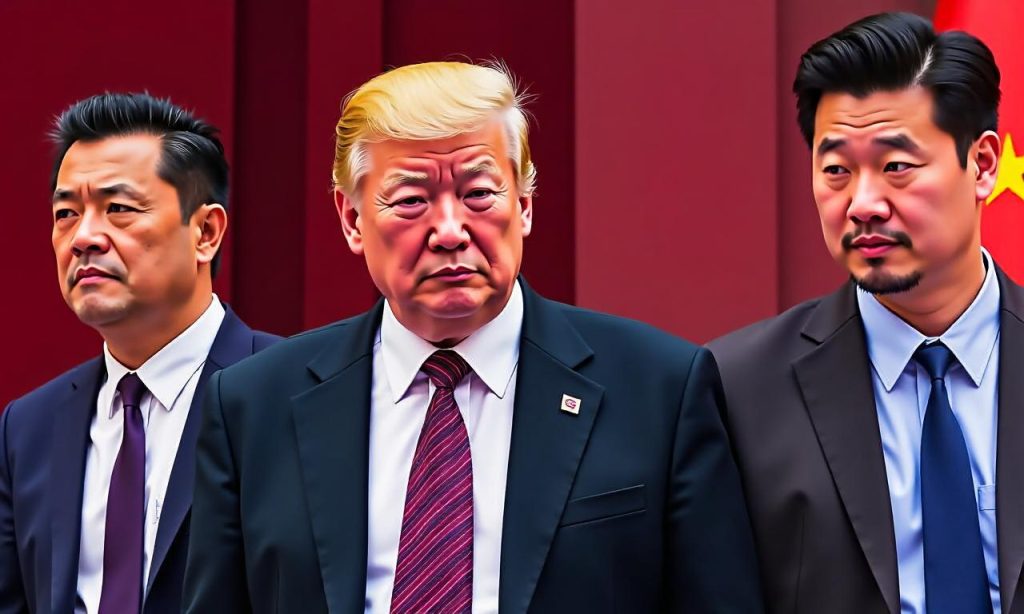
Founder of China’s Evergrande pleads guilty to fraud
Guilty Plea and Court Proceedings
According to a court statement, Hui Ka Yan, the founder of China’s Evergrande, has admitted guilt on several counts, including asset embezzlement and corporate bribery. The public hearing, held in Shenzhen on April 13 and 14, saw Hui convey regret during the proceedings, as reported by Chinese state media. The court confirmed it will finalize its ruling in the case at a future date.
Evergrande’s Collapse and Economic Impact
Hui’s guilty plea represents a turning point in the aftermath of Evergrande’s financial collapse, which sent ripples through China’s property industry and left investors and domestic banks scrambling. Once the nation’s largest real estate firm, Evergrande’s stock value plummeted from over $50bn to nearly zero, culminating in its removal from the Hong Kong exchange in August 2025 after more than a decade of trading.
Evergrande was once Asia’s richest person with a fortune estimated at $42.5bn in 2017, according to Forbes’ list of the continent’s wealthiest individuals.
The company’s downfall has frequently been linked to the ongoing property market downturn in China, which intensified in 2021. At its peak, Evergrande operated around 1,300 projects across 280 cities, but its rapid expansion was fueled by over $300bn in borrowed funds. The firm’s strategy to sell properties at steep discounts became critical when Beijing imposed stricter regulations on property debt in 2020.
From Humble Beginnings to Global Ambitions
Hui, who also goes by Xu Jiayin, began his journey in rural China, raised by his grandmother, before entering the property development sector. He launched Evergrande in 1996, which later diversified into electric vehicles, food production, and even sports, acquiring Guangzhou FC and elevating it to the top tier of Chinese football. However, the firm’s reliance on aggressive debt borrowing ultimately led to its crisis, with millions of dollars in pre-sale funds diverted from construction to new ventures, resulting in hundreds of stalled housing developments nationwide.
In March 2024, Hui received a $6.5m fine and a lifetime ban from China’s capital markets for his company’s $78bn revenue overstatement. This marked the culmination of a series of legal actions against Evergrande, which had become synonymous with the nation’s property sector turmoil. The firm’s rapid rise, driven by China’s economic boom, now stands in stark contrast to its dramatic fall, leaving a legacy of financial instability and regulatory scrutiny.