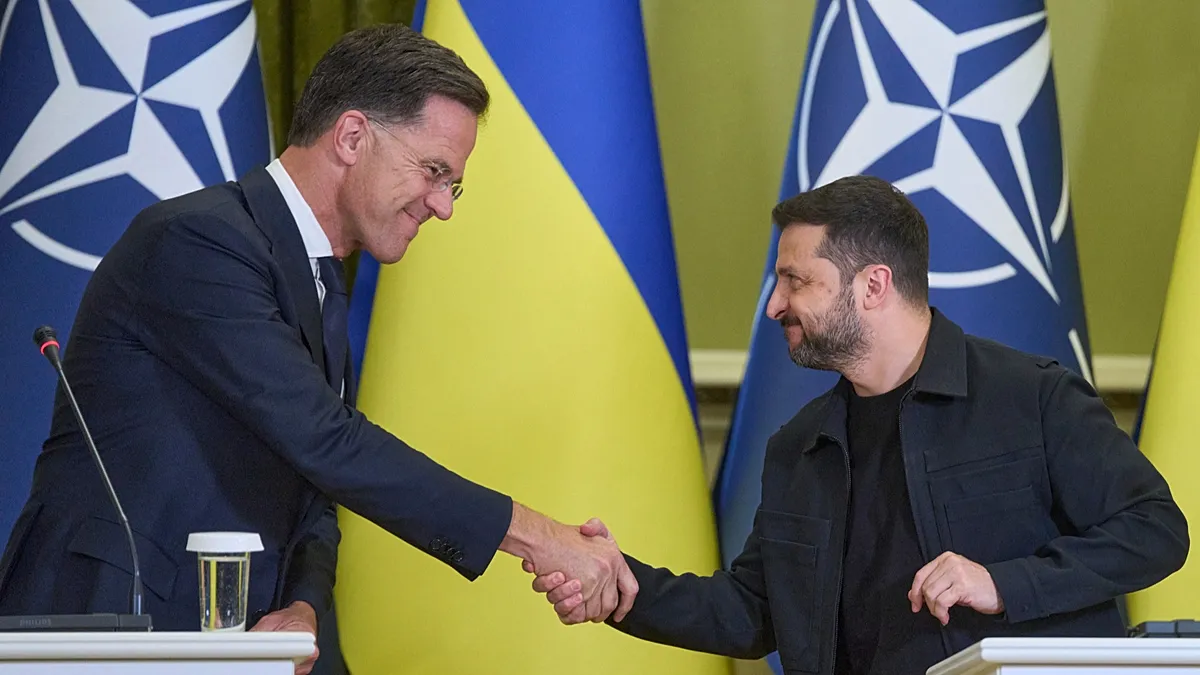
Ukraine Calls on NATO for Air Defence Amid Russian Bombardment
Ukraine to call on NATO partners – Following a brutal Russian bombardment that targeted Kyiv and claimed at least 30 civilian lives on 2 July, Ukraine is set to formally request air defence systems from its NATO allies. The country has intensified its appeal at an upcoming NATO summit, urging partners to commit to immediate delivery of Patriot interceptors. This critical move comes as Kyiv faces escalating threats from Russia’s advanced ballistic missile campaigns, which have left its defences strained and its population in danger. The demand for swift action underscores the urgency of securing reliable protection against ongoing aerial attacks.
Strategic Push for Immediate NATO Support
Ukraine’s call for NATO assistance is centered on the need for immediate access to Patriot air defence systems. President Volodymyr Zelenskyy has emphasized that delayed shipments have exposed the nation to greater risks, with limited capacity to intercept incoming missiles. During a visit to a war-torn residential area in Kyiv’s Darnytskyi district, he highlighted the impact of delayed support, stating that timely aid could have saved more lives. This plea reflects Ukraine’s determination to strengthen its defences as it continues to face relentless Russian strikes.
At the summit, Ukraine has proposed a two-phase strategy to secure air defence support. It seeks immediate donations of Patriot missiles from NATO partners’ existing stockpiles, with a commitment to replenish these supplies through pre-negotiated contracts. This dual approach aims to address the acute shortage of interceptors while ensuring a sustainable supply chain. Analysts note that the summit represents a crucial opportunity for Ukraine to solidify its position as a key NATO ally, even as attacks persist.
Global Stockpile Challenges and NATO’s Role
Despite the urgency of the request, Ukraine’s access to Patriot systems is hindered by global stockpile constraints. The Ukrainian Defence Ministry reports that while hundreds of PAC-2 missiles have been contracted via German support, deliveries are expected to take years. This delay is exacerbated by the depletion of interceptors in the US and Israel’s conflict with Iran, where over 1,100 missiles were fired in recent months. Analysts say this competition for limited resources has created a bottleneck, forcing Kyiv to prioritize its calls on NATO partners for immediate aid.
Ukraine’s challenge is compounded by the fact that Russia continues to produce approximately 120 ballistic missiles monthly. In contrast, Raytheon and Lockheed Martin manufacture around 600 interceptors annually—about 60 to 65 per month. This disparity highlights the importance of NATO’s supply chain in countering Russia’s strategic advantage. The summit is thus seen as a pivotal moment to bridge this gap and ensure Ukraine’s defences are bolstered with timely support from NATO.
Shifting NATO Perceptions
Ukraine’s broader strategy includes redefining its role within NATO’s security framework. The country aims to transition from a recipient of aid to a proactive contributor, seeking a formal declaration that recognizes it as a key player in regional defence. This shift is driven by Ukraine’s recent efforts to support Gulf states and share expertise on drone and missile systems. By demonstrating its capacity to enhance NATO’s capabilities, Kyiv hopes to secure long-term commitments from its partners, reinforcing its call on NATO for critical air defence support.
Analysts suggest that the summit is also an opportunity for Ukraine to secure financial guarantees from European NATO members. Officials have proposed a two-year funding plan, framed as a minimum baseline to ensure a stable supply of military assets, including air defence systems. This framework would allow for flexibility in future expansions, aligning Ukraine’s needs with NATO’s overarching security objectives. The focus remains on fulfilling Ukraine’s call on NATO for immediate and sustained assistance.
Ukraine’s campaign in Ankara is expected to underscore the importance of air defence as its top priority. The country argues that Russia’s reliance on jet-powered drones and ballistic missiles requires a rapid and coordinated response. To achieve this, Kyiv is pushing for three key initiatives: immediate donations from NATO partners, financed procurement of new interceptors, and decisions on industrial cooperation to integrate Ukraine into a broader European missile defence network. These steps would not only enhance Ukraine’s defences but also solidify its strategic partnership with NATO.