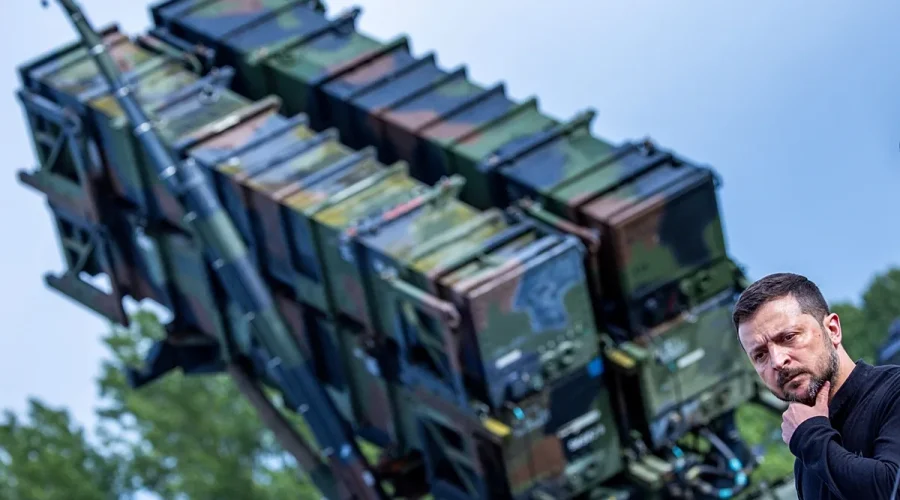
Zelenskyy Urges Washington to Release Patriot Missiles as Ukraine Faces Critical Winter Shortage
Usagevpn.com – Ukraine’s president has issued an urgent appeal to American officials, requesting that Washington make available a significant portion of its Patriot interceptor inventory. According to Volodymyr Zelenskyy, securing just five percent of the United States’ total stockpile would be sufficient for Kyiv to navigate the upcoming winter season and prevent civilian casualties. The Ukrainian leader emphasized the human stakes involved in this diplomatic request, noting that the missiles could literally “save people’s lives” during the harsh months ahead.
A Modest Percentage, A Critical Difference
The numbers Zelenskyy presented paint a stark picture of Ukraine’s current defensive capabilities. Kyiv currently possesses only one percent of the interceptors it requires to effectively counter Russian attacks. While five percent may seem like a small fraction of America’s total arsenal, it represents a fivefold increase for Ukraine’s air defense systems. The president outlined two distinct scenarios for American assistance.
If they sell us 5% we will go through the winter and save people’s lives. If they can sell us 10%, we will destroy all the Russians’ ballistic missiles.
This distinction between five and ten percent reveals the strategic calculus at work. Five percent would provide adequate coverage for survival, while ten percent would enable Ukraine to achieve near-total interception of Russian ballistic missile strikes. The gap between these figures underscores how close Kyiv is to reaching a threshold of effectiveness.
Diplomatic Maneuvering Behind Closed Doors
When questioned about whether Washington has formally responded to Ukraine’s request, Zelenskyy offered a measured response that suggested ongoing negotiations. The Ukrainian president indicated that substantial diplomatic work is underway, though details remain confidential. He acknowledged that his approach involves actions not yet made public, but stressed that these efforts operate within legal frameworks.
I do some things which I can’t even share. It doesn’t mean it’s out of the law. But I can’t speak about it.
This diplomatic discretion is not unusual in international arms transfers, where timing and political considerations often require patience. Zelenskyy’s reference to “millions of phone calls” suggests an intensive campaign of communication between Kyiv and Washington, as well as potentially other allied capitals.
Escalating Russian Threats
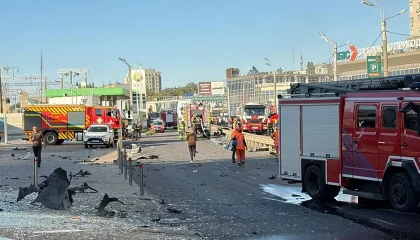
The timing of Zelenskyy’s appeal coincides with a noticeable intensification of Russian military operations against Ukrainian cities. Moscow has increased the frequency of its bombardment campaigns, conducting mass missile strikes approximately once per week. These attacks have resulted in both civilian deaths and widespread destruction of residential infrastructure.
One particularly telling incident occurred earlier this month, when Ukrainian air defense systems failed to intercept even a single ballistic missile from a barrage of twenty-eight projectiles aimed at the capital. This complete failure to engage any of the incoming missiles highlights the severity of Ukraine’s interceptor shortage. The inability to shoot down any of the twenty-eight missiles represents a significant defensive gap that could prove costly in terms of both lives and property.
A Shrinking Arsenal Against a Growing Threat
Zelenskyy provided a comparative analysis of Ukraine’s current situation versus previous years. The country now possesses two-and-a-half times fewer interceptors than it had during 2025. Simultaneously, Russia has doubled its monthly output of ballistic missiles compared to earlier periods. This dual pressure—fewer defenses against more threats—creates an increasingly difficult operational environment for Ukrainian forces.
Ballistic missiles present unique challenges for air defense systems. Their high velocity and steep descent trajectories make them significantly more difficult to intercept than cruise missiles or unmanned aerial vehicles. This technical reality means that Ukraine’s shortage of interceptors is particularly acute when facing ballistic missile threats specifically.
Global Events Compounding Ukraine’s Crisis
Ukraine’s interceptor shortage has been exacerbated by developments far beyond Eastern Europe. The conflict between the United States, Israel, and Iran, which began in late February, has diverted substantial supplies of Patriot systems and their components to other theaters of operation. This global reallocation of resources has left Kyiv with less access to the very weapons it needs most urgently.
Last month alone, Russia launched more than four hundred fifty missiles at Ukrainian targets, with nearly two hundred following ballistic trajectories. The United Nations has characterized this period as the deadliest phase for Ukrainian civilians since the full-scale invasion commenced in 2022. The combination of increased Russian firepower, reduced Ukrainian interceptors, and global supply chain disruptions has created what many analysts describe as a critical juncture for Ukraine’s winter survival.
Strategic Implications for the Conflict
The outcome of Zelenskyy’s appeal could have far-reaching consequences for the broader conflict. If Washington agrees to release five percent of its Patriot stockpile, it would represent a significant commitment to Ukraine’s continued defense capabilities. Such a move would not only address immediate winter needs but also signal American resolve to support Kyiv through the most challenging period of the year.
The winter months are traditionally difficult for military operations in Eastern Europe, with harsh weather conditions affecting both troop movements and equipment performance. For Ukraine, which has relied heavily on air defense to protect its population centers, maintaining interceptor availability is essential for civilian safety and economic stability. The destruction of homes and infrastructure during recent strikes has already displaced thousands of families and disrupted energy supplies across multiple regions.
As diplomatic efforts continue behind closed doors, the world watches to see whether the United States will respond to Ukraine’s modest yet critical request. The difference between one percent and five percent may seem numerical, but for Ukrainian civilians facing Russian missiles, it could mean the difference between survival and devastation during the coming winter months.
Related Reading
Frequently Asked Questions
What is Ukraine needs 5 of US Patriot?
Ukraine needs 5 of US Patriot is the main topic of this guide. The article explains the context, practical details, and next steps readers should understand.
Why does Ukraine needs 5 of US Patriot matter?
Ukraine needs 5 of US Patriot matters because readers are looking for a useful answer, not just a short summary. Good content should match search intent and help them decide what to do next.