They Should Have Stepped In Earlier: Berlin’s Pride Attack Response Under Scrutiny
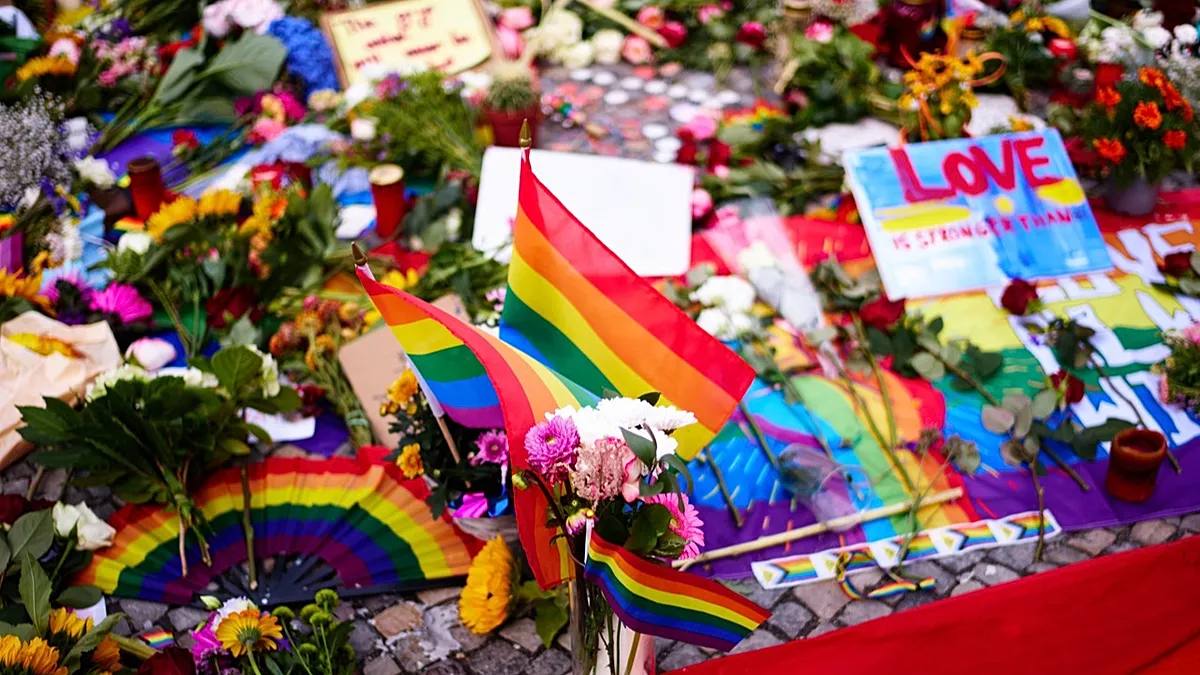
Usagevpn.com – They should have stepped in earlier. That is the sentiment echoing through Berlin as residents gather at a makeshift memorial near the Brandenburg Gate to honor victims of Saturday’s devastating attack during the city’s annual Pride event. Abdul Ballout, the attacker who killed one woman and wounded 29 others by driving a van through crowds before slashing victims with a machete, was already known to authorities. As the capital processes this tragedy, many citizens and officials believe law enforcement should have stepped in earlier to prevent what became a deadly assault.
Who Was Abdul Ballout?
Following a city-wide manhunt, police shot Ballout dead on Sunday evening in an allotment complex located in Berlin’s western Spandau district. Prosecutors revealed that Ballout, a German citizen of Lebanese descent, carried previous convictions for causing bodily harm, extortion, and robbery. He had also attempted to join the IS group in Syria. “I do think, at least to some extent, that the state didn’t respond properly, because after all, they were dealing with a criminal,” said one observer at the memorial.
They should have stepped in earlier, emphasized Alfred Kubitz, who visited the memorial site. Security experts have similarly questioned why the attacker remained at large without close surveillance. “The danger from this man was underestimated,” noted Rolf Tophoven of the Institute for Terrorism Research and Security Policy.
Ballout’s Criminal History and Failed Syria Journey
Ballout had traveled to Lebanon last year in a failed attempt to join IS in Syria. He was arrested and spent three months in a Lebanese jail before being repatriated to Germany. Most recently, in May, he was convicted of “planning a serious act of subversive violence” and received a suspended sentence of one year and 10 months. The court considered the time he had already spent in Lebanese detention and his pre-trial detention, along with his admission of guilt and claimed distancing from IS.
“It was known that he was an Islamist, and the tragedy is precisely that everything was known,” Tophoven said, calling it a “fatal mistake” to allow him to walk free. Dirk Peglow, head of Germany’s police officers’ association, also criticized the justice system for being too lenient. “With people who pose such a threat, the end of their time in detention must not be the end of state supervision,” he stated.
Political Reactions and Community Solidarity
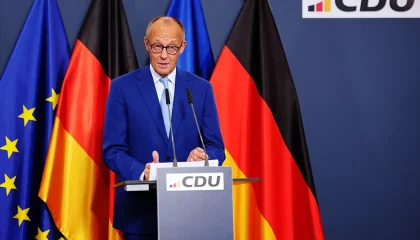
Politicians across the spectrum condemned the attack and demanded stronger measures against extremists. Marc Henrichmann from the CDU, who chairs the parliamentary committee overseeing intelligence agencies, told the Handelsblatt newspaper that “the freedoms of extremists and Islamists must not be given undue value, especially when people’s lives are at risk.” Chancellor Friedrich Merz declared that “we will defend freedom” and would not “allow this poison of terrorism and this poison directed against our freedom to spread further in our society.”
Meanwhile, Berlin’s LGBTQ community has cautioned against far-right exploitation of the tragedy. This marked the first time the city’s LGBTQ community faced such an attack in a metropolis renowned for its openness. Hundreds assembled at the Brandenburg Gate on Sunday evening to mourn.
Lena Werner, 26, attended the vigil to demonstrate that the community “will not allow itself to be intimidated, to make our voice heard even louder, to demonstrate even greater solidarity.” Pride organizers report rising homophobia, and Werner acknowledged that “the fear has grown.” However, she stressed that Saturday’s attack should not ignite “hatred against foreigners, or migrants, or Islam.”
Political Implications for Berlin Elections
The attack “makes the situation worse, at a time when we can clearly see that Germany is increasingly leaning to the right,” said Mario Paul, 46. The assault occurred less than two months before Berlin elects a new state assembly, with the far-right Alternative for Germany (AfD) leading in certain polls. In Berlin, the AfD competes closely with the radical left Die Linke, the Greens, and Chancellor Friedrich Merz’s conservative CDU.
In an X post, AfD co-leader Alice Weidel accused Chancellor Merz of insufficient action against “migrant violence” and declared her party was “ready to act.” Alex Friedrich, 51, who attended Sunday’s vigil, expressed confidence that LGBTQ people, who have “already endured so much in their lives,” would “not be pushed around” by the AfD, a party accused by some of hostility toward LGBTQ rights and visibility. Luka, a 23-year-old student, believes the far-right could “easily” instrumentalise the attack, but “I believe there will be strong resistance.”
They should have stepped in earlier. That is the sentiment echoing through Berlin as residents gather at a makeshift memorial near the Brandenburg Gate to honor victims of Saturday’s devastating attack during the city’s annual Pride event.
Frequently Asked Questions
When did the Berlin Pride attack occur?
The attack took place on Saturday during Berlin’s annual Pride event near the Brandenburg Gate. Abdul Ballout drove a van through crowds and then attacked people with a machete, killing one woman and injuring 29 others.
Who was the attacker and what was his background?
Abdul Ballout was a German citizen of Lebanese descent with previous convictions for causing bodily harm, extortion, and robbery. He had attempted to join IS in Syria and had traveled to Lebanon in a failed attempt to join the group, spending three months in a Lebanese jail before returning to Germany.
Why do Berliners believe authorities should have stepped in earlier?
Ballout was known to authorities and had a criminal record. He had been convicted in May of “planning a serious act of subversive violence” and received a suspended sentence. Security experts and politicians noted that his danger was underestimated and that the justice system was too lenient with someone who posed such a significant threat.
How has the attack affected Berlin’s political landscape?
The attack occurred less than two months before Berlin elects a new state assembly. The far-right AfD is leading in some polls and has accused Chancellor Merz of insufficient action against “migrant violence.” Meanwhile, LGBTQ community members have warned against far-right exploitation of the tragedy.
What is the community’s response to the attack?
Hundreds gathered at the Brandenburg Gate on Sunday evening to mourn. Community members like Lena Werner and Alex Friedrich expressed determination not to be intimidated and not to allow the attack to fuel hatred against migrants or Islam. Pride organizers report that homophobia is on the rise, but the community remains resilient.
For more coverage of Berlin events, visit Euronews Berlin. Stay updated on Pride celebrations and community news at Euronews Pride Section.