Spain Wins EU Backing for Temporary Fuel Tax Cuts
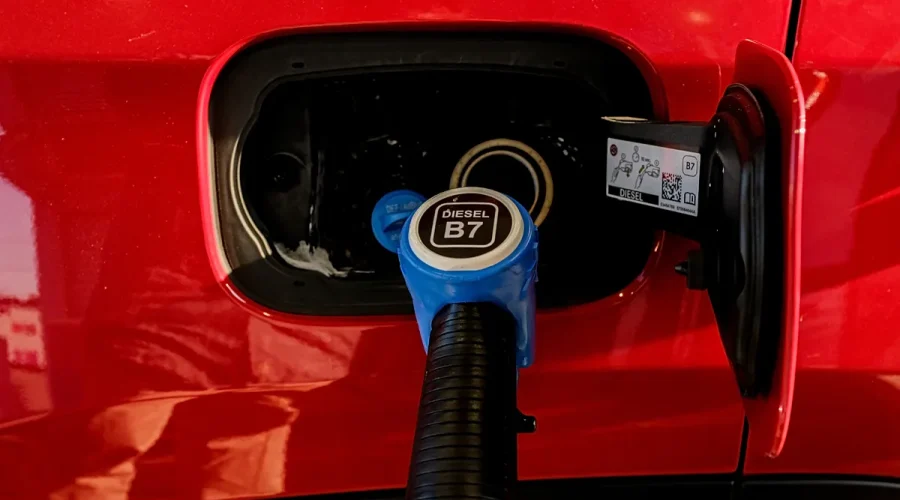
Usagevpn.com – Spain wins EU backing for temporary relief at the pump after the European Commission cleared Madrid to dip its petrol and diesel excise duties below the bloc-wide floor. The approval, confirmed in a Commission decision dated 25 August, covers a three-month window from July through September and responds to a request Madrid lodged on 28 June. The move comes as household fuel costs have surged: unleaded petrol that cost roughly €1.48 per litre in August 2025 had climbed to €1.72 by 24 August of this year, while diesel jumped from about €1.41 to €1.86. Drivers and small operators across Spain felt the squeeze immediately, and the Commission judged that a narrowly scoped derogation was warranted.
Scope and Conditions of the Derogation
Under the EU Energy Taxation Directive, member states may tax fuel above prescribed minimums without special permission but need an explicit derogation to go beneath them. Spain’s request cited an exceptional oil-price shock tied to the geopolitical crisis, and the Commission concluded the measure would not distort the internal market. The approved reduction is phased: approximately 15 cents per litre in July, stepping down to 10 cents in August and 5 cents in September. A built-in contingency allows Madrid to deepen the cut beyond schedule if pump prices exceed pre-crisis levels by more than 15%.
“The Commission considers the requested derogation to be adequate and proportionate, given its short duration, the exceptional circumstances linked to the geopolitical situation, coupled with an exceptionally high market price of oil.”
The decision distinguishes Spain’s position from that of other member states. Italy, Portugal, Slovenia, Hungary, and Ireland have all trimmed excise levies since the crisis began, yet each operated within its existing national margin above the EU floor. Spain, by contrast, received explicit clearance to set effective rates below the bloc minimum itself. Italy, according to local reporting, kept its diesel and petrol reductions running until 26 August and is now lobbying for a further extension.
Geopolitical Roots and Broader Policy Context
The price spike traces to the war launched by the United States and Israel against Iran on 28 February and the subsequent closure of the Strait of Hormuz, the chokepoint through which a large share of global oil shipments transits. Even into late August, uncertainty over when free navigation would resume kept benchmark prices well above pre-conflict levels. Commission President Ursula von der Leyen had earlier urged member states to adopt “targeted and temporary” measures against the fuel-price surge, and the European Council echoed that language, noting that “targeted solutions are needed in the short term to ensure availability of affordable energy.”
Alongside the tax derogation, Brussels loosened state-aid rules as an additional short-term lever, widening the toolkit available to governments for cushioning the shock without breaching competition law. The Commission simultaneously flagged two structural risks: cheaper fuel can stimulate greater fossil-fuel consumption, partially offsetting climate objectives, and lower excise revenue shrinks fiscal space. The document insists the measure must remain strictly temporary and that its effects on demand and public finances be monitored closely.
The Commission’s justification also leans on Spain’s transport profile. Everyday mobility and freight logistics in the country depend disproportionately on private cars, buses, and road haulage relative to rail or maritime alternatives. Inaction, the Commission reasoned, would let higher fuel costs cascade rapidly into household spending and commercial overheads, making the temporary intervention proportionate.
Frequently Asked Questions
How long does the Spanish fuel-tax reduction last? The approved derogation covers July through September. A contingency clause permits Madrid to extend or deepen the cut if pump prices remain more than 15% above pre-crisis levels, but any such extension would require fresh Commission scrutiny.
Will drivers see the full cent-per-litre saving at the pump? No. The figure refers to the excise-duty component alone. The retail price also embeds crude-oil cost, refining margins, distribution charges, and value-added tax, so the actual nozzle saving will be smaller and will fluctuate with global market conditions.
Can other EU countries replicate the Spanish arrangement? Other member states have reduced excise levies within their existing national margins above the EU floor. To set rates below the bloc minimum, as Spain now may, a country must obtain its own Commission derogation demonstrating exceptional circumstances and proportionality.