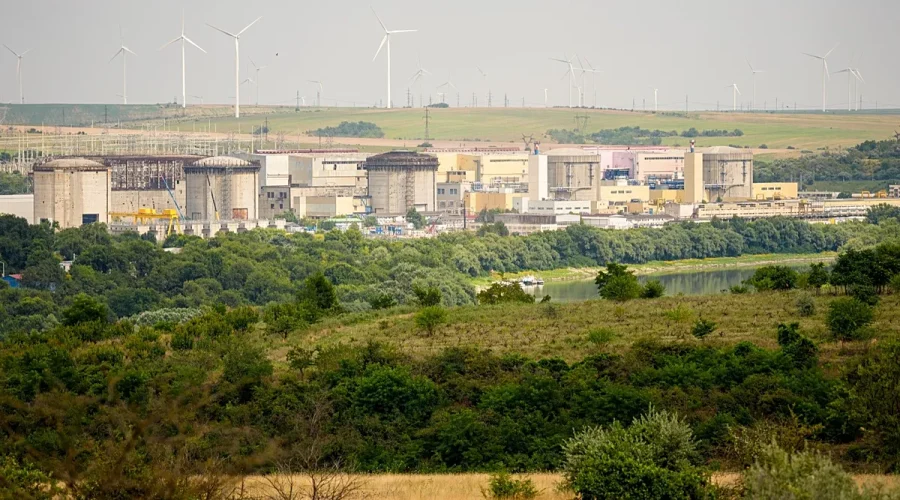
Romania Shuts Off Second Reactor at Cernavodă NPP
Usagevpn.com – Romania shuts off second reactor at Cernavodă nuclear power plant as severe drought conditions force an unusual halt to operations. The nation’s sole nuclear facility has suspended its second reactor following critically low water levels in the Danube River, marking the first such shutdown since 2003. This event affects approximately one-fifth of Romania’s electricity supply, as the plant typically generates power through two reactors, each producing 700 megawatts.
Why Romania Had to Shut Down the Reactor
Nuclearelectrica, Romania’s national nuclear energy operator, initially closed one reactor last month as a precaution. However, accelerating declines in Danube water levels necessitated closing the second reactor as well. Plant director Romeo Urjan explained the situation to AFP news agency:
We do not foresee a restart within the next ten days.
The government invested more than €2 million in water diversion strategies to prevent this scenario. These measures included blasting through rock formations and deploying four barges filled with stones into the river to maintain adequate cooling water flow for the reactors.
Europe’s Widespread Drought Crisis
This crisis extends beyond Romania’s borders as much of Europe experiences another intense summer heatwave. Rivers across the continent have reached historic low points, creating cascading effects on energy production, transportation, and agriculture. Copernicus, the European climate change observatory, revealed on Monday that nearly two-thirds of the Danube’s course recorded flow rates lower than any July measurement in the past 34 years.
Scientists from the World Weather Attribution group identified human-induced climate change as a key factor intensifying current drought conditions. Their research suggests such extreme weather events will become more frequent and severe in coming decades, potentially reshaping how European nations approach energy security.
Regional Impact and Solutions
Neighboring Hungary has managed to avoid a complete shutdown of its only nuclear facility, Paks, though the situation remains precarious. The Paks plant, which supplies approximately one-third of Hungary’s electricity through four Danube-cooled reactors, has operated at reduced capacity since late last month. Hungarian Prime Minister Péter Magyar announced Wednesday that the government authorized construction of a submerged wall, or weir, designed to regulate water flows near the facility.
Additionally, two barges measuring 80 meters each are being positioned at Paks with the capability to be sunk if necessary to elevate local water levels. The Danube, stretching 2,850 kilometers from western Germany to the Black Sea, serves as a critical artery for both energy production and commercial shipping across multiple nations.
What This Means for Consumers
The Romanian energy ministry confirmed Wednesday that alternative power sources, including wind generation and electricity imports, would maintain adequate supply levels during the shutdown period. However, officials simultaneously issued a public appeal encouraging responsible consumption patterns among citizens and businesses alike.
As a contingency measure, large industrial consumers have been warned that evening-hour consumption restrictions could be implemented if conditions deteriorate further. The government had already taken proactive steps in early August, announcing that automotive manufacturers Dacia and Ford would temporarily halt production operations in the country until August 19 to help alleviate the power deficit.
Frequently Asked Questions
How long will Romania’s reactor shutdown last? According to plant director Romeo Urjan, operations will not resume within the next ten days, though the exact duration depends on Danube water level recovery.
What is causing the low water levels? Severe drought conditions across Europe, intensified by human-induced climate change, have caused the Danube to reach historic low points. Nearly two-thirds of the river’s course has recorded flow rates lower than any July measurement in 34 years.
How does this affect Romania’s electricity supply? Cernavodă nuclear power plant typically supplies approximately one-fifth of Romania’s electricity needs. With both reactors offline, the country is relying on wind generation, electricity imports, and reduced consumption to maintain adequate supply levels.
What measures are being taken to restore operations? Romania invested more than €2 million in water diversion strategies, including blasting through rock formations and deploying four barges filled with stones into the river to maintain adequate cooling water flow for the reactors.