NATO Summit in Ankara: Examining the Alliance’s Unity Amidst Global Tensions
A Critical Moment for the Transatlantic Partnership
Podcast – The recent gathering of NATO leaders in Ankara marked a significant juncture for the transatlantic alliance. This summit, occurring at a pivotal moment in the organization’s development, comes as the relationship between Europe and the United States faces considerable strain. The event brought together heads of state from all 32 member nations, who concluded their deliberations on July 8 with a unified declaration reaffirming their commitment to collective defense.
US President Donald Trump’s participation added considerable weight to the proceedings. During his attendance, the American president issued warnings about potential additional military operations against Iran while simultaneously suggesting that the United States should assume control of Greenland. These statements cast uncertainty over NATO’s future trajectory and raised questions about the alliance’s cohesion.
Expert Analysis on Alliance Dynamics
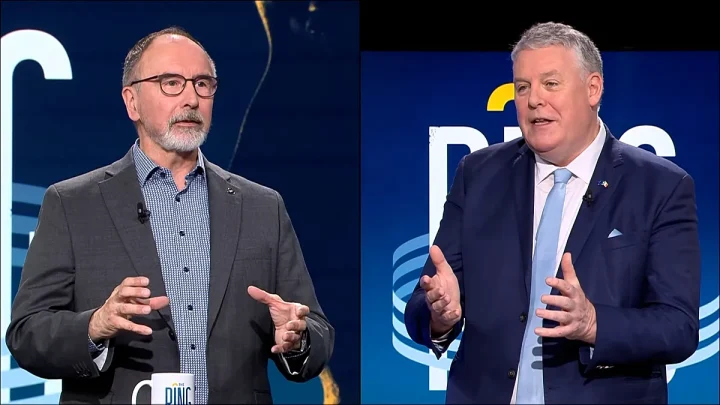
To provide deeper insight into these developments, Euronews’ podcast “Brussels, My Love?” convened three distinguished commentators. Donnacha Ó Beacháin, a politics professor at Dublin City University, Teresa Küchler, European correspondent for Svenska Dagbladet, and Stefan Grobe, Euronews’ senior correspondent, offered their perspectives on the summit’s outcomes.
Ó Beacháin observed that attendees primarily viewed the gathering through the lens of damage limitation. He noted that Trump’s conduct in Ankara revealed challenges in separating NATO’s defensive identity from American foreign policy objectives. The professor explained that when the United States, alongside Israel, launched operations against Iran, this did not constitute an attack on American territory, meaning Article 5 obligations did not automatically apply.
“I think most people that were present were thinking of this [the NATO summit] in terms of damage limitation,” Ó Beacháin began.
“The US decided with Israel to attack Iran; it wasn’t an attack on the US, therefore there was no obligation under Article 5,” Ó Beacháin said.
Ukraine and Russia: Strengthening NATO Bonds
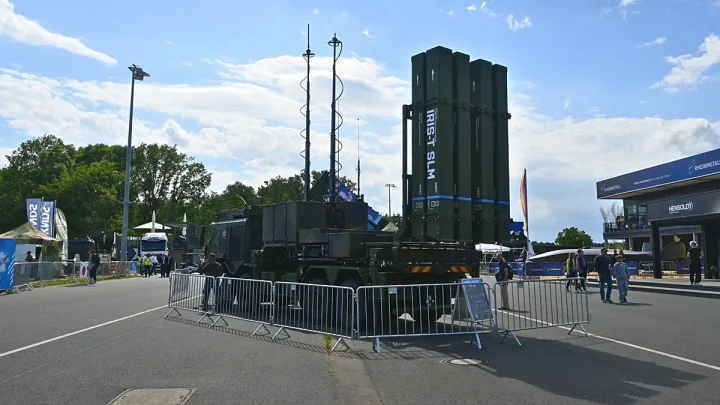
Despite Trump’s criticism of European nations, his stance on Ukraine softened considerably. The American president authorized Kyiv to acquire Patriot air defense missiles, a critical component of Ukraine’s military strategy. Stefan Grobe emphasized that recent Ukrainian military achievements, or at least unexpected successes, have shifted public sentiment against Russia and generated renewed support for Ukraine within American circles.
Ó Beacháin further noted that Vladimir Putin and Russia continue serving as NATO’s most effective advocates. Russian actions have strengthened internal alliance cohesion, particularly among Nordic member states who view Moscow’s activities as a direct threat to regional security.
French Politics: Le Pen’s Presidential Ambitions
The podcast also addressed developments in French politics. Marine Le Pen, leader of the National Rally, announced her intention to contest the 2027 French presidential election. Her campaign faces unique circumstances due to her fraud conviction and the court’s subsequent ruling.
“What could happen is basically that if she does win the presidency, we could have a president walk into the Élysée palace with an electronic device around her ankle,” Küchler explained.
Le Pen stated she would pursue another appeal before France’s highest court and maintained her position that she remains innocent of the charges against her.
World Cup Drama and Trump’s Global Influence
In a surprising intersection of sports and politics, Belgium defeated the United States in the World Cup during the early hours of Tuesday, July 7. The Red Devils dominated the match, which became partially defined by FIFA’s reversal of a red card issued to American player Folarin Balogun—a decision influenced by pressure from Donald Trump.
Following the victory, Belgian players performed a viral dance associated with Trump, a moment that spread rapidly across social media platforms. Ó Beacháin remarked that global sentiment favored Belgium, demonstrating Trump’s distinctive capacity to alienate both friends and allies simultaneously.
“All world was with Belgium, which is again back to Donald Trump’s unique ability to alienate friends and allies,” Ó Beacháin highlighted.
Listeners interested in comprehensive coverage of these topics are encouraged to follow “Brussels, My Love?” and access the complete episode through the audio player or their preferred podcast platform.