Hungary plans overhaul of adoption rules for single applicants and same-sex couples
Usagevpn.com – Hungary’s government is preparing to revise adoption regulations after a sweeping 220-page child-protection review found that the country’s existing system is close to failing. The planned changes would affect single people and same-sex couples, groups whose ability to adopt was sharply limited under legislation adopted in 2020.
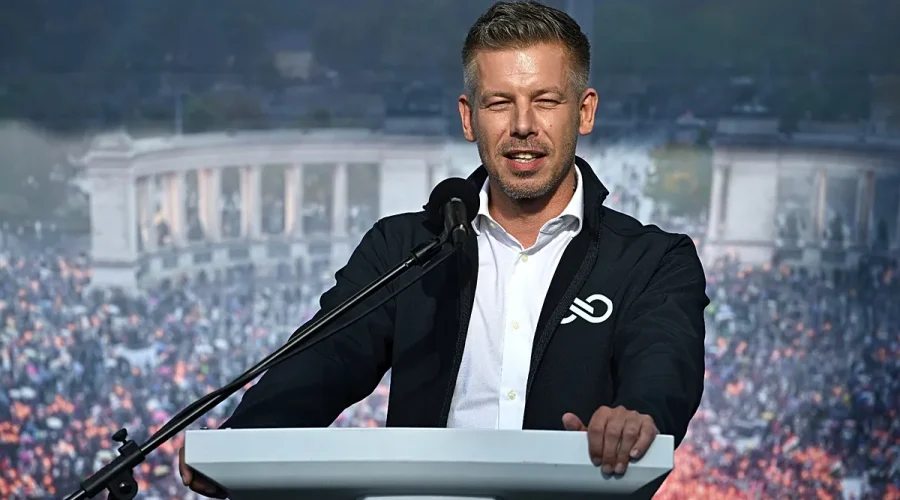
Prime Minister Péter Magyar said the central consideration in adoption decisions should be a child’s chance to grow up in a secure and caring family. He argued that political preferences should not decide who is considered eligible to become a parent.
“System cannot function properly in its current state.”
Magyar said assessments should instead be led by professionals with relevant expertise, including psychologists and child-protection specialists. In his view, elected officials should step away from individual eligibility decisions and allow specialists to evaluate whether prospective parents can provide an appropriate home.
A system under pressure
The government’s report is intended to guide the rewrite of adoption rules. Its conclusions point to a mismatch between children living in state care and adults who may be willing and able to adopt but face political restrictions or lengthy administrative barriers.
Hungary currently has many children in institutional or state-supported care, while single applicants and people in same-sex relationships can encounter major obstacles even when they are seeking to offer a stable family environment. Magyar’s government presents the planned reform as a practical response to that imbalance.
The proposed direction would move Hungary closer to the professional assessment model that existed before 2020. Rather than treating marital status or sexual orientation as decisive filters, the process would place greater weight on a prospective parent’s individual circumstances, suitability and capacity to care for a child.
That would represent a significant departure from the approach pursued by Fidesz during Viktor Orbán’s time as prime minister. The former government’s rules strongly favoured married heterosexual couples and made adoption by single people substantially more difficult.
How the 2020 restrictions changed adoption
In December 2020, the Orbán government amended both Hungary’s Fundamental Law and adoption legislation. The constitutional language defined a mother as a biological female and a father as a biological male, while the legal changes made marriage the standard route for adoption.
Same-sex couples in Hungary cannot marry, although registered partnerships are available. Before the 2020 changes, one member of a same-sex couple could apply to adopt as a single person. That route was effectively closed when the law began requiring single applicants to secure a personal ministerial permit.
The permit was initially handled by Katalin Novák, who later became president, and responsibility subsequently passed to the minister overseeing family policy. In practice, the system made adoption by LGBTQ people extremely difficult and restricted their path to having children.
Magyar has indicated that the government’s new legislation will address those barriers. His position is that the issue should be judged through child welfare rather than used as a political test of which family structures are acceptable.
“The overpowering consideration must always be that children can grow up in a loving family,” Magyar said, rather than the sexual orientation or marital status of prospective parents.
A major break from the previous government
The reform debate has become one of the clearest signs of the policy shift following the April 2026 election, when the Tisza Party won by a large margin and ended Fidesz’s 16-year period in power. Human-rights groups had expected the incoming administration to take action on LGBTQ rights after the election.
Pressure on the issue had also increased shortly before the vote. The Court of Justice of the European Union ruled that Hungary’s earlier child-protection law, frequently criticised as homophobic, seriously violated EU law. The judgment added a broader legal and political context to domestic calls for change.
For supporters of the overhaul, the new approach is about restoring a system in which trained professionals determine suitability case by case. It also signals an effort to treat child protection as an area for evidence-based policy rather than as a symbolic cultural conflict.
Criticism has nevertheless been swift. Opposition-aligned media outlets have attacked Magyar’s plan, accusing him of yielding to an “LGBTQ lobby.” Independent outlets have instead portrayed the move as an attempt to return adoption decisions to child-welfare professionals.
What could change for prospective parents and children
Details of the amendments have not yet been set out publicly, but the government’s stated aim is clear: reduce politically driven exclusions and replace them with expert-led evaluations. If enacted in that form, single applicants and same-sex couples could again have a more realistic opportunity to be assessed on their merits.
For children awaiting permanent homes, the practical question will be whether the revised system can widen the pool of suitable adoptive parents while maintaining rigorous safeguards. Professional evaluations would still be expected to examine the welfare of each child and the ability of applicants to meet their needs.
The adoption reforms therefore carry significance beyond one legal category. They will test whether Hungary’s new government can translate its pledge for a more pragmatic social policy into a functioning child-protection framework—one that prioritises stable, loving family homes over ideological restrictions.
Related Reading
Frequently Asked Questions
What is Peter Magyar announces upcoming changes to child?
Peter Magyar announces upcoming changes to child is the main topic of this guide. The article explains the context, practical details, and next steps readers should understand.
Why does Peter Magyar announces upcoming changes to child matter?
Peter Magyar announces upcoming changes to child matters because readers are looking for a useful answer, not just a short summary. Good content should match search intent and help them decide what to do next.