NATO Exercises at Finnish-Russian Border as Drone Incursions Mount
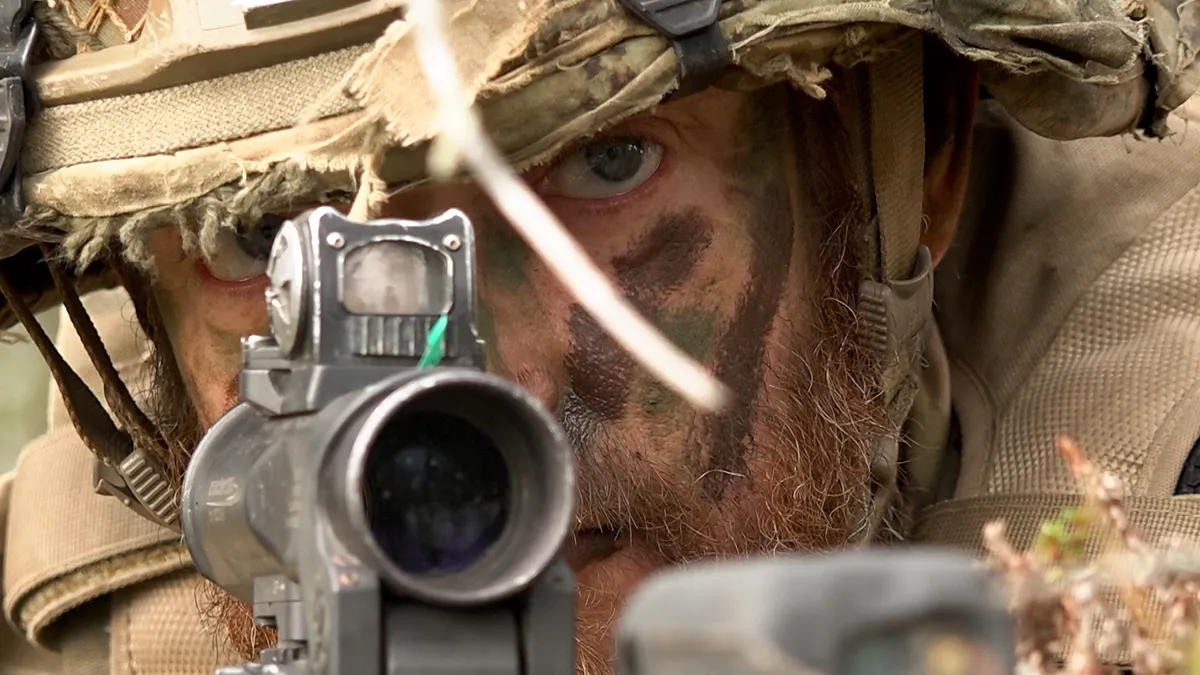
NATO exercises at Finnish Russian border – Amid a surge in drone activity across NATO territories, the alliance is intensifying military drills near the Finnish-Russian frontier. The recent exercises, conducted in the High North region, underscore the growing concern over unmanned threats and the need for robust defensive measures. These maneuvers, part of the “Northern Star” initiative, take place at the Vuosanka training ground in Kajaani, central Finland, and involve seven NATO member states, including Finland’s defence forces, the United States, Poland, the United Kingdom, France, Italy, and Hungary.
The training exercise, which spans several months, will see approximately 9,000 personnel engaged in rigorous simulations under extreme environmental conditions. The terrain, marked by dense forests and harsh winter temperatures reaching -20°C, presents a challenging backdrop for modern warfare. Troops will practice combat scenarios, rapid deployments, and coordinated operations, incorporating live-fire artillery, infantry drills, and helicopter exercises. American Chinook heavy-lift helicopters will work alongside battle tanks to transport equipment and personnel through adverse weather and terrain, highlighting the integration of traditional and cutting-edge military assets.
Focus on Eastern Flank Deterrence
A central element of the “Northern Star” exercise is NATO’s “Eastern Flank Deterrence Initiative” (EFDI). This strategy aims to establish a self-sufficient defensive zone along the eastern edge of the alliance, leveraging unmanned systems to monitor and counter potential incursions. The concept draws parallels to the so-called “drone wall” or “networked drone swarms,” which are designed to create a layered, autonomous defense network. The initiative emphasizes the deployment of multinational battle groups to swiftly respond to ambushes or large-scale threats, reinforcing the alliance’s readiness to defend against emerging challenges.
According to US Army Major Matt Blubaugh, who provided insights during the exercise in Vuosanka, the EFDI is critical to countering the evolving drone threat. “The big thing is having an autonomous kill web of different drones and unmanned capabilities,” he stated. This system would integrate surveillance, sensor arrays, and radar networks to enable real-time threat detection and neutralization. Blubaugh stressed the importance of cohesive data sharing between allied nations, saying, “If a drone incursion occurs in Estonia, but systems in Latvia or Lithuania can detect it, someone else can use their technology to eliminate the threat.” Such coordination is seen as vital to maintaining a unified front against Russian advances.
Despite the rapid advancements in drone technology, Blubaugh noted that conventional forces remain indispensable. “No matter how much innovation we see with drones and AI, we still need actual bodies on the ground,” he explained. “Tanks and infantry are essential for holding ground and ensuring operational stability.” The inclusion of heavy machinery and manned units in the drills reflects a balanced approach to modernizing NATO’s eastern flank capabilities while retaining the flexibility of traditional military responses.
Escalating Threats and NATO’s Reaction
The timing of the Northern Star exercises coincides with a series of recent Russian drone incursions that have unsettled NATO members. Last Friday, two Romanian F-16 fighter jets were deployed after a Russian drone struck a residential block in Galați, a town near Romania’s border with Ukraine. At least two people were injured in the attack, prompting a national security council meeting in Bucharest to discuss the next steps. The incident has reignited discussions about the urgency of strengthening NATO’s collective defense, particularly in light of Russia’s expanding use of unmanned systems.
Following the attack, NATO’s Secretary General, Mark Rutte, condemned Russia’s actions, calling them “reckless behaviour that threatens the security of all allies.” European Commission President Ursula von der Leyen echoed this sentiment, stating that Russia’s “war of aggression had crossed yet another line.” The Romanian Chief of Defence, General Gheorghiță Vlad, met with NATO’s Supreme Allied Commander for Europe, Alexus Grynkewich, to discuss additional measures aimed at bolstering the alliance’s eastern defenses. Grynkewich confirmed that “considered” actions are being taken to enhance readiness and deter future attacks.
The Eastern Sentry operation, launched in response to a Russian drone incursion into Polish airspace in September 2025, plays a pivotal role in monitoring and reacting to threats along NATO’s eastern borders. This initiative, which is part of the broader EFDI, has been activated to address the recent incidents in Romania and other regions. The operation’s effectiveness will be tested as Russia continues to refine its drone capabilities, with reports indicating that the Russian military is scaling up its use of unmanned systems at a lower cost compared to Western counterparts. In Ukraine, where drones have become a dominant force on the battlefield, the conflict has accelerated technological developments that are now being replicated across NATO territories.
As the alliance adapts to this new era of warfare, the focus remains on bridging the gap between advanced drone networks and the need for human-led operations. The exercises in Finland, while a routine annual event, now carry heightened strategic significance. They serve as both a demonstration of NATO’s preparedness and a warning to Russia about the alliance’s resolve. With the EFDI and Eastern Sentry operation in place, NATO is positioning itself to respond swiftly to any escalation, whether through technological superiority or traditional military strength. The ongoing drone incursions, however, remind the alliance that vigilance and coordination are more critical than ever in safeguarding its eastern borders.
The Romanian government is actively evaluating whether to invoke Article 4 of the NATO Treaty, which allows an injured member state to raise a specific security issue at the North Atlantic Council. This provision, central to NATO’s political decision-making framework, could lead to increased solidarity among allies in addressing the growing Russian threat. The incident in Galați, which occurred just days after Poland initiated Article 4 proceedings, has amplified calls for a unified response. Analysts suggest that such actions could pave the way for more rapid collective measures, including the deployment of additional resources or the establishment of new defense protocols.
In the context of these developments, the Northern Star exercise exemplifies NATO’s commitment to adapting its military strategy. The training, which simulates complex scenarios, is designed to test the alliance’s ability to integrate new technologies while maintaining operational cohesion. As the High North becomes an increasingly contested area, the drills highlight the importance of preparedness in a region that is geographically and strategically vital. With Russia’s drone capabilities expanding and the potential for more aggressive actions looming, NATO’s enhanced deterrence strategy is shaping up as a critical pillar of the alliance’s defense posture in the years ahead.