Baltic Leaders Warn of Russian Infrastructure Threats
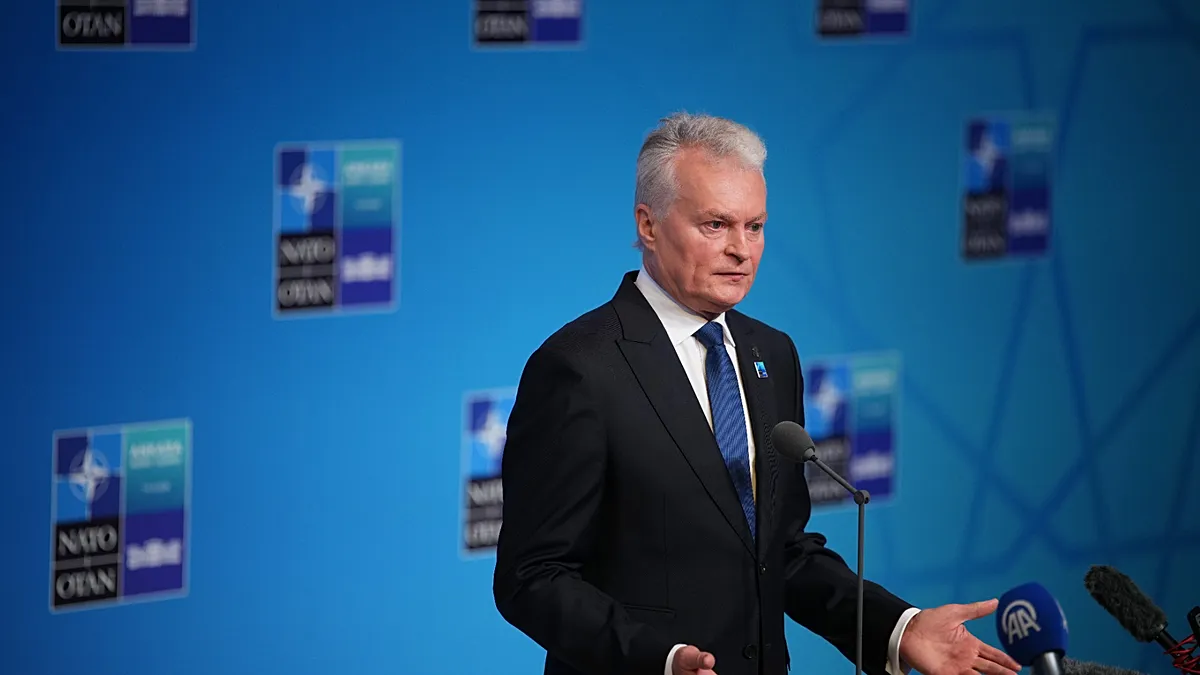
Lithuanian and Latvian leaders warn Russia – Lithuanian and Latvian leaders warn that Russia is actively planning targeted infrastructure attacks against the Baltic region and potentially Poland. On Wednesday, July 15, 2026, the presidents of both nations delivered a joint diplomatic warning in Vilnius, highlighting intelligence assessments that Moscow is preparing coordinated strikes. Gitanas Nauseda of Lithuania and Edgars Rinkevics of Latvia addressed journalists together, emphasizing that these preparations represent more than theoretical scenarios. The anticipated operations would focus on critical energy grids, transportation networks, and other essential systems located within the Baltic states or across the border in Poland.
Energy and Transport Networks Under Threat
During the press conference, President Nauseda outlined the specific nature of the threats facing the region. He explained that energy infrastructure and transportation corridors represent primary targets for potential Russian action. The disruption of these systems could create cascading effects throughout the regional energy network, potentially halting operations across multiple countries simultaneously. Nauseda noted that strategic planning for these disruptions is being coordinated directly from Moscow, suggesting a centralized and deliberate approach to destabilizing the area. This coordinated effort indicates that Russia views infrastructure as a strategic vulnerability worth exploiting.
President Rinkevics expanded upon these concerns, emphasizing that the Baltic nations—Estonia, Latvia, and Lithuania—along with Poland, share common vulnerabilities. As members of both the European Union and NATO, these countries must maintain vigilance against provocative maneuvers. Rinkevics suggested that Russia is using the ongoing conflict in Ukraine as cover to test the resilience of alliance security commitments. He stated:
“Even without a total Ukrainian victory, Russia may indirectly test Article 5 and response mechanisms at the alliance and European Union levels,” he said.
Poland’s Critical Role in Regional Security
The warning extends beyond the immediate Baltic region to include Poland, which serves as a crucial logistical and strategic hub for NATO operations. In late June, Polish Prime Minister Donald Tusk had already signaled that the geopolitical climate was becoming increasingly volatile. Speaking at a press conference, Tusk remarked that various types of escalation can be expected in the coming weeks and months. He characterized the current situation as very unstable, underscoring the need for preparedness among all involved nations. The proximity of Poland to the conflict zone makes it a likely candidate for indirect Russian actions designed to strain NATO’s resources and political cohesion.
Sabotage Patterns and Defense Investments
Officials from both the Baltic states and Poland have recently connected Moscow to a series of disruptive incidents across the region. These include acts of arson, sophisticated cyberattacks, and deliberate diversions on railway lines. Such activities are viewed as precursors to larger-scale infrastructure attacks. In response to these growing threats, President Nauseda confirmed that Lithuania has taken concrete steps to bolster the protection of its vital transport and energy assets.
Lithuania’s commitment to regional security is evident in its defense budget. Located along the Baltic Sea and sharing a border with Russia’s close ally, Belarus, the nation has emerged as a steadfast supporter of Ukraine since the full-scale invasion began in 2022. Currently, Lithuania stands as NATO’s highest security spender in relative terms, dedicating 5.33% of its GDP to defense capabilities. This substantial investment reflects the country’s determination to maintain robust security infrastructure and deter potential aggression.
The coordinated warning from Lithuanian and Latvian leaders comes at a critical moment for European security. As Russia continues its military operations in Ukraine, the Baltic region faces increasing pressure from multiple directions. The combination of direct military threats and indirect infrastructure attacks represents a multifaceted challenge that requires sustained attention from both regional and international partners. The leaders’ emphasis on preparedness and collective security demonstrates their confidence in NATO and EU mechanisms to respond effectively to emerging threats.