Beyond the Raids: Sustaining the Fight Against Illicit Tobacco Networks
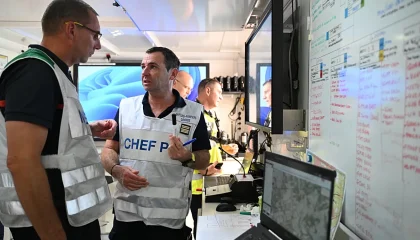
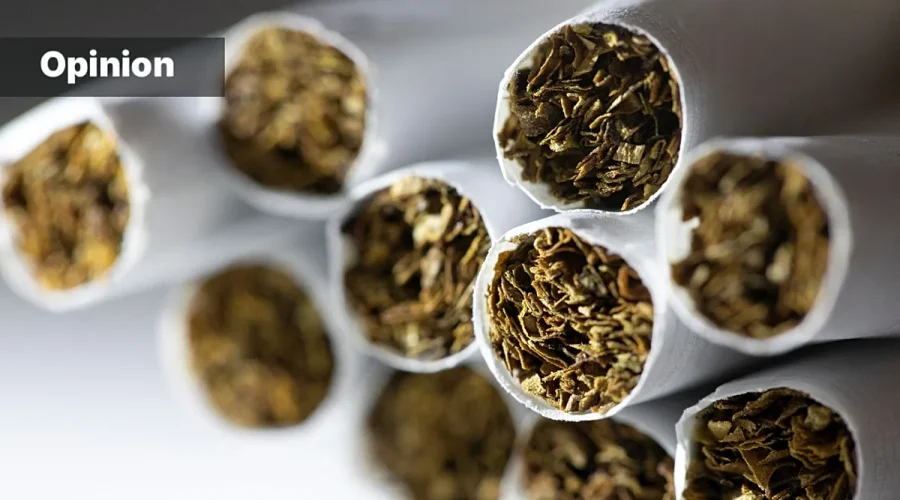
Usagevpn.com – Recent enforcement actions have demonstrated considerable progress in combating counterfeit tobacco, yet these victories alone cannot dismantle an entrenched criminal enterprise. On July 9, the European Anti-Fraud Office revealed the collapse of two prominent Spanish-based organizations involved in producing, distributing, and trafficking fake cigarettes. The coordinated operation yielded impressive results: authorities confiscated over twenty million cigarettes, approximately forty tonnes of tobacco leaf, manufacturing machinery, substantial cash reserves, firearms, and eighteen vehicles. Fifty suspects were taken into custody after searches spanned six provinces throughout Spain.
While such operations merit celebration, they represent only one facet of a much larger challenge. Having directed OLAF between 2011 and 2017, I witnessed firsthand how critical timely intelligence, collaborative efforts among national bodies, and seamless cross-border coordination prove essential. Tackling cases of this scale demands patience—often months or even years of meticulous investigation alongside the capacity to track criminal movements across multiple jurisdictions.
A Year of Notable Successes
These Spanish operations were far from isolated achievements. Just months earlier, in late 2025, Operation NOXIA II concluded with the seizure of 149.5 million cigarettes and more than 105 tonnes of tobacco. Two major campaigns within a single twelve-month period highlight both the necessity for robust enforcement mechanisms and the remarkable resilience of illicit markets that continue to test authorities’ capabilities.
Examining longer-term trends provides valuable context. During my final complete year overseeing OLAF in 2016, KPMG calculated that EU28 nations consumed 48.3 billion illicit cigarettes annually. This figure accounted for 9.1 percent of total cigarette consumption and translated into an estimated €10.2 billion in foregone tax revenue. That year marked an 8.8 percent decline in illicit consumption—a reduction driven not merely by enhanced enforcement and border security, but also by stable pricing conditions and restrained excise hikes. The lesson remained clear: enforcement achieves optimal results when economic incentives align rather than work against each other.
Shifting Patterns Across Europe
Nine years later, the geographic scope has narrowed slightly to encompass the EU27 rather than the EU28. Nevertheless, KPMG’s projections indicate that 41.8 billion illicit cigarettes were consumed across the bloc in 2025, representing 10.3 percent of the overall market. Meanwhile, the estimated tax shortfall climbed to €16.7 billion. Despite contraction in the legal cigarette sector, illicit volumes have demonstrated remarkable persistence.
National-level data reveals even more dramatic shifts. France experienced a surge in illicit consumption, rising from 8.96 billion cigarettes in 2016 (approximately 14.7 percent of its market) to 20.5 billion cigarettes by 2025, equating to 41.4 percent. Conversely, Italy witnessed a reversal of this trend, with illicit consumption dropping from 4.43 billion cigarettes (5.8 percent of the market) to just 1.26 billion cigarettes (2.2 percent).
Tax policy alone cannot account for these divergent trajectories. Geographic positioning, enforcement capabilities, supply route configurations, and consumer habits all play crucial roles. France shares borders with several lower-priced markets, yet pricing remains a decisive factor. In 2025, the weighted average pack price stood at €12.54 in France compared to €5.40 in Italy. Illicit trade thrives on margins—the greater the disparity between legal pricing and illegal alternatives, the stronger the commercial motivation.
“While smoking is dangerous, smoking counterfeit cigarettes is even worse,” observed OLAF Director-General Petr Klement.
Recent law enforcement interviews suggest that illicit flows are increasingly shaped by price differentials and export demand. Criminal networks have grown more decentralized, dispersing operations across jurisdictions while employing smaller shipments and direct-to-consumer channels that prove harder to monitor and simpler to reconstruct.
The health implications extend beyond traditional smoking risks. Counterfeit products operate outside established manufacturing and quality-control frameworks. Their origins and compositions remain uncertain, while their distribution finances organized crime and deprives governments of vital revenue streams.
The policy question is not whether to prioritize public health or enforcement—both objectives must advance simultaneously. The challenge lies in pursuing health goals without inadvertently creating additional opportunities for criminal networks. Practical responses include implementing gradual tax increases, ensuring proportionate treatment across different products, and conducting thorough illicit-market assessments prior to significant tax hikes or prohibitions. Additionally, OLAF, customs agencies, and cross-border intelligence units should focus upstream on machinery, raw materials, online commerce, and distribution networks. While closing factories and disrupting supply chains remains achievable through enforcement, authorities cannot eliminate the price gaps that continuously fuel reconstruction of these illicit operations.
Giovanni Kessler was Director-General
Related Reading
Frequently Asked Questions
What is Illicit tobacco?
Illicit tobacco is the main topic of this guide. The article explains the context, practical details, and next steps readers should understand.
Why does Illicit tobacco matter?
Illicit tobacco matters because readers are looking for a useful answer, not just a short summary. Good content should match search intent and help them decide what to do next.