Iron Dome Missile Production Shift: VW Osnabrück Plant Faces Uncertain Future
India Emerges as Potential Alternative Production Hub
Future of the VW Osnabrück plant – According to recent reports from the German newspaper Bild, Israeli defense manufacturer Rafael Advanced Defense Systems is actively exploring the possibility of establishing a manufacturing facility for Tamir interceptor missiles within India. This strategic development could significantly alter the trajectory of Volkswagen’s historic Osnabrück plant, which had been positioned as a key production center for Iron Dome defense components. The potential relocation represents a substantial shift in the company’s industrial planning for the region.
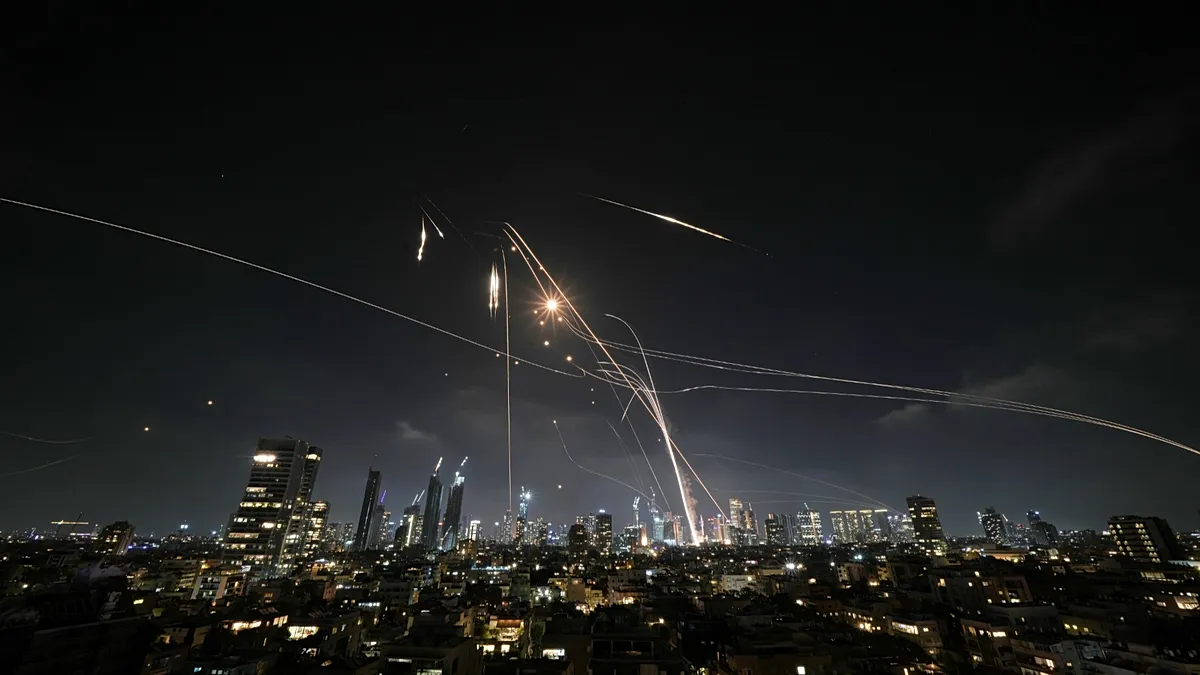
The Tamir missile system forms the critical backbone of Israel’s renowned Iron Dome air defense network, providing crucial protection against short-range rockets and artillery shells. Rafael’s consideration of Indian production aligns with broader global trends in defense manufacturing diversification. The company has already demonstrated its capability to establish international production partnerships, as evidenced by its existing operations in the United States.
Volkswagen’s Strategic Transition Under Scrutiny
Volkswagen’s Osnabrück facility has been undergoing significant transformation discussions throughout 2026. The automotive giant confirmed in spring that comprehensive negotiations were underway with various defense industry players regarding the plant’s long-term viability. These talks gained additional momentum when Rafael Advanced Defense Systems formally signed a memorandum of understanding in April, establishing preliminary frameworks for component manufacturing at the German site.
The timing of this potential shift proves particularly consequential for the Osnabrück workforce. Vehicle manufacturing operations at the facility are scheduled to conclude in 2027, creating immediate pressure to secure alternative employment solutions for approximately 2,300 employees. The success of the defense production initiative could determine whether these workers transition smoothly into new roles or face displacement during the automotive industry’s ongoing transformation.
Qatar Investment Authority Raises Concerns
Internal resistance within the Volkswagen group has emerged as a significant factor in the decision-making process. The Qatar Investment Authority, representing one of the company’s most substantial shareholder positions, has expressed notable reservations about deepening ties with the Israeli state-owned defense enterprise. This diplomatic consideration carries considerable weight given the QIA’s substantial influence over Volkswagen’s corporate governance structure.
The financial implications of this relationship extend beyond simple investment returns. The Qatar Investment Authority maintains approximately 17 percent of Volkswagen’s voting rights and occupies two positions on the company’s supervisory board. These governance positions enable the sovereign wealth fund to exert meaningful influence over strategic decisions affecting the Osnabrück plant’s future direction.
Reuters reported in June that the Qatari sovereign wealth fund’s position has complicated ongoing negotiations between Volkswagen and Rafael. The geopolitical dimensions of this partnership reflect broader international relations dynamics, particularly regarding Middle Eastern defense cooperation and European industrial policy.
India’s Growing Defense Market Appeal
India’s emergence as a preferred location for defense manufacturing stems from multiple favorable factors. The nation’s “Make in India” initiative actively encourages foreign companies to establish production facilities within the country, offering various incentives and streamlined regulatory processes. This policy framework has attracted numerous international defense manufacturers seeking to access the rapidly expanding South Asian market.
From Israel’s perspective, India has maintained its position as one of the most important defense partnerships for decades. The bilateral relationship encompasses technology transfer, joint development programs, and substantial arms trade volumes. Rafael’s potential production expansion in India would strengthen this existing relationship while providing the company with access to skilled labor and favorable manufacturing conditions.
The American production model provides valuable precedent for Rafael’s Indian ambitions. The company currently operates a Tamir interceptor missile production line in Arkansas, collaborating with Raytheon to serve both domestic and international markets. This successful partnership demonstrates the viability of establishing defense manufacturing operations outside Israel’s borders.
Regional Support and Pending Decisions
Volkswagen continues evaluating multiple scenarios for the Osnabrück facility’s long-term viability. Recent reports from Capital magazine indicate that the state of Lower Saxony is exploring the possibility of acquiring a direct stake in the plant to facilitate the transition toward potential arms production capabilities. This regional government involvement could provide additional financial stability during the transition period.
While Rafael’s potential move toward Indian production has been widely reported, official confirmation remains pending. The final decision will likely depend on multiple factors, including the resolution of QIA concerns, the strength of India’s manufacturing infrastructure, and the overall competitiveness of the proposed production model. Stakeholders across Germany, Israel, Qatar, and India await the outcome with considerable interest, as the decision will shape industrial landscapes across multiple continents.