France Backs Move to Remove Alisher Usmanov From EU Sanctions List
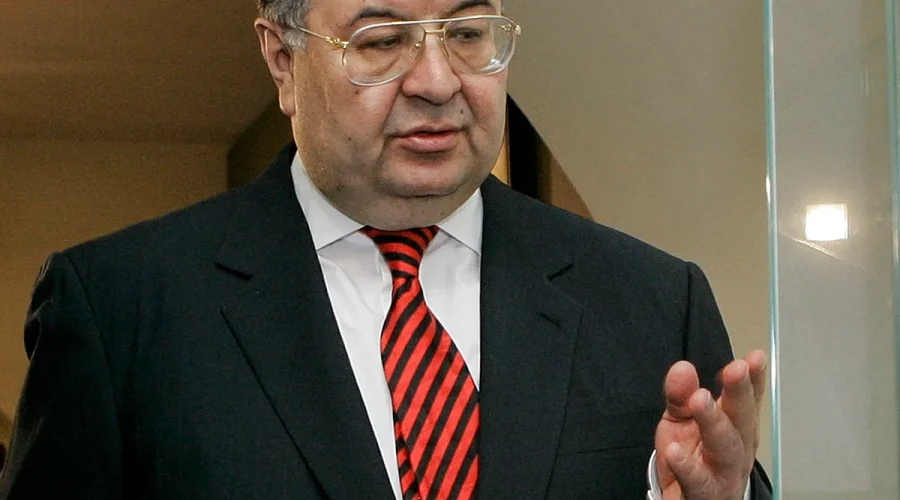
Usagevpn.com – France has joined Slovakia in supporting the removal of Russian-Uzbek billionaire Alisher Usmanov from the European Union’s sanctions register, intensifying already difficult negotiations ahead of a crucial renewal deadline on 15 September.
The position taken by Paris has unsettled other EU member states, where officials are seeking to maintain a united response to Russia’s invasion of Ukraine and the networks seen as supporting its military-industrial capacity. Four EU diplomats said the French intervention had generated significant irritation among partners.
“It raised a lot of questions about the motivation — seems mostly economic reasons at play here. Not a lot of understanding on the side of other member states.”
The diplomat, who spoke anonymously because the deliberations are confidential, described the reaction among governments as one of “huge frustration.” The dispute is unfolding while European countries remain concerned about growing hybrid-security risks, including the recent attempted drone attack involving Leipzig airport in Germany.
Sanctions Renewal Faces a Unanimity Test
The EU’s Russia sanctions framework covers more than 3,000 people and organisations connected to the country’s military-industrial system or its role in the war against Ukraine. Member states must agree unanimously when renewing the measures, giving every national government an effective veto.
Current individual listings are scheduled to expire on 15 September unless the bloc reaches a new agreement. Until now, personal sanctions have generally been rolled over in six-month periods. Governments are now considering extending that cycle to 12 months, matching a change made in July for sector-wide restrictions.
EU ambassadors are expected to meet again on Monday in an attempt to secure a political understanding before the deadline. A failure to agree could put the continuation of the sanctions regime at risk, making the talks especially sensitive.
France has indicated that it continues to favour renewing the wider sanctions package. A spokesperson for the country’s permanent representation to the EU declined to discuss the internal negotiations, citing their confidential nature. Paris has framed Usmanov’s removal as part of a political compromise intended to help resolve the broader impasse.
Slovakia’s Longstanding Demands
Bratislava has repeatedly sought the delisting of Usmanov and fellow Russian oligarch Mikhail Fridman. Slovakia has also resisted replacing the existing six-month renewal period with a year-long cycle for individual measures.
Those demands have featured in earlier rounds of sanctions negotiations, including the extension agreed in March. Slovakia’s stance has already created friction with governments that want the restrictions renewed without reducing the list of designated individuals. The arrival of French support for Usmanov’s delisting could make a compromise harder to assemble.
French officials appear to be wagering that a concession on Usmanov could prevent Slovakia from maintaining both of its demands. That calculation reflects the pressure created by the unanimity rule: negotiations often involve efforts to address individual national objections while preserving the overall sanctions policy.
The distinction between the two Russian businessmen is also important in the current discussions. Slovakia has asked for both Usmanov and Fridman to be removed, while France’s reported position concerns Usmanov. Whether that narrower concession would be enough to satisfy Bratislava remains central to the negotiations.
Who Is Alisher Usmanov?
Usmanov, who was born in Uzbekistan and became one of Russia’s wealthiest businessmen, has been subject to EU sanctions since Russia launched its full-scale invasion of Ukraine in 2022. He built his fortune through holdings and investments spanning metals, mining, telecommunications and technology.
European sanctions authorities have viewed him as close to the Kremlin. The EU’s restrictive measures are designed to target figures considered connected to Vladimir Putin’s government, as well as entities that contribute to the economic and industrial infrastructure sustaining Russia’s war effort.
Listing decisions carry practical consequences. They can involve asset freezes within EU jurisdiction and restrictions on entering or travelling through member states. At the same time, each listing must be regularly reviewed, and EU governments must be prepared to defend the factual and legal basis for keeping a person or entity on the register.
That review process is now colliding with the bloc’s wider strategic concerns. Many governments see the sanctions framework as a core element of Europe’s response to the war and want to avoid signals of division while security threats remain elevated.
A Test of European Unity
The debate over one individual has therefore become part of a larger argument about the EU’s ability to sustain collective pressure on Russia. The sanctions are not renewed automatically; they depend on every member state accepting the final package. This gives smaller governments considerable influence but also makes last-minute bargaining common.
For countries opposing the delisting, the concern is not limited to Usmanov’s case. They fear that concessions made under political pressure could encourage further challenges to the sanctions list at a time when the EU is attempting to demonstrate consistency and resolve.
For France and Slovakia, the immediate issue is whether an agreement can be shaped before mid-September. The upcoming ambassadors’ meeting will show whether Paris’s proposal can unlock a deal or instead deepen the disagreement among member states.
Related Reading
Frequently Asked Questions
What is France joins Slovakia in asking to delist?
France joins Slovakia in asking to delist is the main topic of this guide. The article explains the context, practical details, and next steps readers should understand.
Why does France joins Slovakia in asking to delist matter?
France joins Slovakia in asking to delist matters because readers are looking for a useful answer, not just a short summary. Good content should match search intent and help them decide what to do next.