EU Considers Emergency Meeting as Nuclear Shutdown Hits Hungary
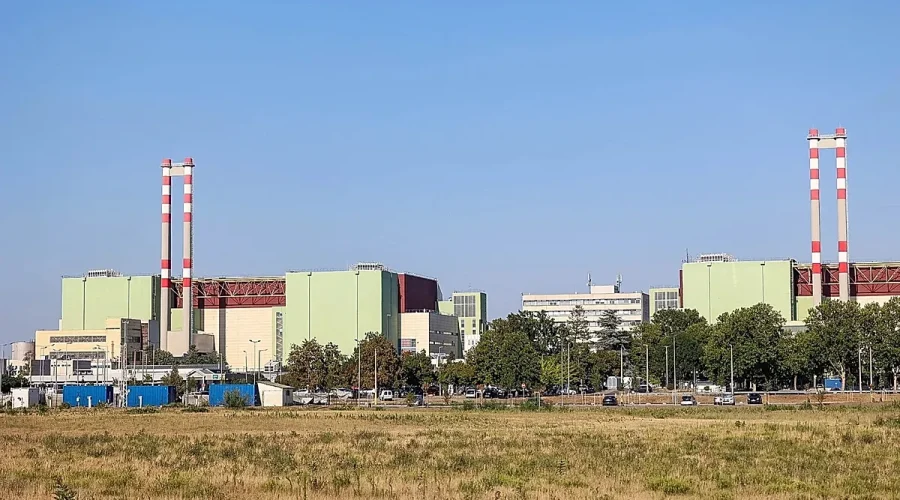
Usagevpn.com – The European Commission is preparing to convene an emergency session as Hungary faces a potential energy crisis following the unexpected closure of the Paks nuclear power station. This development has prompted officials to consider coordinated regional responses to what could become a significant power shortage. Hungarian Prime Minister Péter Magyar warned that the country might need to declare an energy emergency as early as next week. The Paks facility, which supplies nearly half of Hungary’s electricity, was forced to shut down completely after the Danube River reached record-low water levels. These waters are critical for cooling the plant’s reactors, and their depletion has made normal operations impossible. This represents the first time in forty-two years that the entire Paks complex has stopped functioning entirely.
Immediate Measures and Regional Impact
Commission spokesperson Anna-Kaisa Itkonen confirmed that Brussels is monitoring the situation closely. She emphasized that while no immediate energy security threats have materialized, the Commission remains prepared to act. The potential emergency meeting would focus on strengthening information sharing between member states and coordinating responses to the crisis. Hungarian authorities have already implemented several conservation measures to manage the shortfall. Citizens and businesses have been asked to reduce energy consumption during peak hours, particularly between 5pm and 10pm. Special attention has been given to limiting air conditioning and washing machine usage during these critical periods.
Prime Minister Magyar explained that approximately 2,000 megawatts of generating capacity will be removed from Hungary’s energy production starting Monday at the latest. This significant loss comes at a time when electricity demand is rising due to persistent hot weather conditions affecting both households and public services. The government has also prepared a rotational scheme to temporarily restrict power usage at industrial facilities. This approach aims to prevent unplanned outages and avoid the kind of unexpected system failures that have affected Western Europe and the Balkans in recent years.
Expert Analysis and Future Outlook
András Perger, an energy specialist at the Hungarian NGO Energiaklub, described the situation as a substantial stress test for the nation’s power supply infrastructure. He estimated that Hungary could lose between twenty-five and thirty percent of its total energy generation beginning Monday. While other Hungarian power stations will increase their output to help compensate for Paks’s absence, Perger noted that regional hydroelectric generation capacity is also constrained. This means that importing electricity from neighboring countries may only partially offset the shortfall.
The impact appears less severe in Romania, where nuclear power constitutes a smaller portion of the energy portfolio. However, environmental organizations are using this event to highlight broader climate adaptation challenges. Friends of the Earth Hungary’s Executive President Ákos Éger emphasized that Hungary must accelerate its transition toward a more resilient and decentralized energy framework. Such a system would depend less on infrastructure vulnerable to climate extremes and more on energy efficiency, flexibility, and renewable sources. The organization views the Paks shutdown not as an isolated incident, but as part of a larger pattern of climate-related disruptions.
Frequently Asked Questions
When is the EU emergency meeting scheduled? The European Commission has indicated readiness to convene an ad hoc meeting of the Electricity Coordination Group, though a specific date has not yet been announced.
How long will the Paks shutdown last? The facility is expected to remain offline starting Monday, with the duration depending on when Danube River water levels recover sufficiently for safe operations.
What conservation measures are in place? Hungary has asked citizens and businesses to reduce energy consumption between 5pm and 10pm, particularly limiting air conditioning and washing machine usage during these peak hours.
Can Hungary import electricity from neighbors? Yes, but Perger noted that regional hydroelectric capacity is also constrained, meaning imports may only partially offset the energy shortfall.
What is the long-term solution? Experts recommend accelerating Hungary’s transition to a decentralized energy system that relies more on renewable sources, energy efficiency, and flexibility rather than climate-vulnerable infrastructure.
For more updates on this developing story, visit our My Europe section or check Euronews Energy coverage for regional analysis.