Eiffel Tower and other Paris landmarks close early for heatwave
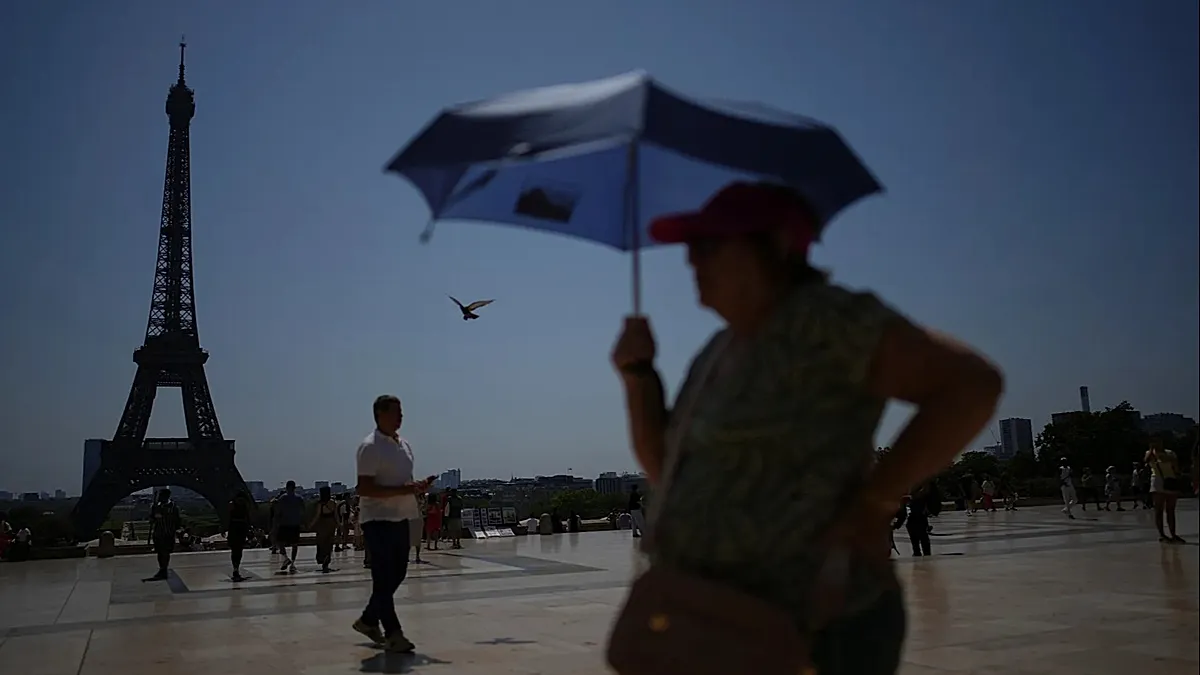
Eiffel Tower and other Paris landmarks – The Eiffel Tower and other Paris landmarks are implementing early closure measures as another intense heatwave sweeps across France. The French capital is preparing for yet another wave of scorching temperatures, prompting major cultural institutions to adjust their regular operating schedules. Both the iconic Eiffel Tower and the renowned Louvre Museum have announced they will shut their doors ahead of schedule for the upcoming weekend. According to official statements, the Eiffel Tower will exceptionally close at 4 pm on both Saturday and Sunday. This temporary adjustment comes as meteorologists predict uncomfortably high temperatures throughout the French capital. Meanwhile, the world-famous Louvre will follow a similar schedule, shutting its doors at the same hour and remaining closed through Monday. The Musée d’Orsay art gallery has also joined the list of venues modifying their hours. The institution announced it would begin closing at 5 pm starting Saturday and continue this pattern through Wednesday. These coordinated adjustments aim to protect both visitors and staff from the extreme weather conditions affecting the region.
Red Alert Issued for Millions in Northwestern France
Météo-France has issued a red heat alert for 24 departments in northwestern France on Saturday. This highest level of warning affects more than 22 million people in the region. Residents are being advised to take necessary precautions as temperatures are expected to reach between 35°C and 38°C across most areas. Some locations, stretching from Burgundy to Pays de la Loire, could see peaks of up to 39°C. Much of the remainder of the country operates under an orange alert, a slightly lower but still significant warning level. This timing coincides with preparations for the annual Bastille Day celebrations scheduled for July 14. The combination of festive activities and hot weather has prompted officials to coordinate their response carefully. This marks the third heatwave to impact France since May, demonstrating a pattern of increasingly frequent extreme weather events. Emmanuel Grégoire, the mayor of Paris, convened a crisis meeting on Friday to address the situation.
“We are implementing extended heatwave protocols to ensure the safety of both residents and visitors during this challenging period,” said Mayor Grégoire during the crisis meeting.
City Implements Extended Heatwave Measures
Mayor Grégoire outlined several initiatives to help Parisians cope with the rising temperatures. The city plans to extend existing heatwave protocols, including keeping parks and swimming pools open for longer periods. Drinking water stations will be made more widely available throughout the capital. Additionally, the administration is providing extra support for vulnerable residents who may be at greater risk from heat-related illnesses. These measures reflect a growing recognition of the need for adaptive strategies in urban environments facing climate challenges. The extended hours for public facilities will allow residents to seek relief during the hottest parts of the day. Emergency services have also been put on heightened alert to respond to any heat-related emergencies that may arise.
Regional Weather Impacts Extend Beyond France
The weather patterns affecting France are also influencing neighboring countries across the continent. In Spain, improving conditions have assisted firefighters battling one of the nation’s deadliest wildfires on Saturday. The blaze in the southeastern province of Almería has claimed at least 12 lives and forced the evacuation of more than 1,400 people. Spanish authorities suspect the fire may have been ignited by a fallen power line. Spain’s national weather agency, AEMET, reported that high temperatures are expected across much of the Iberian Peninsula on Saturday afternoon, with readings potentially reaching 36°C to 38°C. Meanwhile, northern Italy is experiencing severe water shortages that threaten agricultural production. The River Po, Italy’s longest river, is facing drought conditions amid the sweltering weather. The Po River District Basin Authority has described the situation as “critical,” highlighting concerns about water availability for farming communities. These interconnected weather events across Europe underscore the regional nature of current climate challenges and the need for coordinated responses.