Ceuta’s Border Crisis: Returnees Depart as Locals Grapple with Unprecedented Situation
A Calmer Atmosphere Emerges Following Mass Crossing
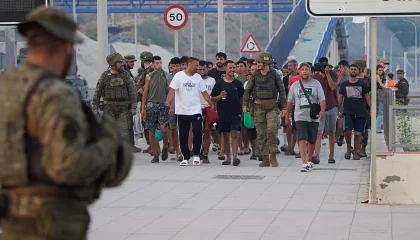
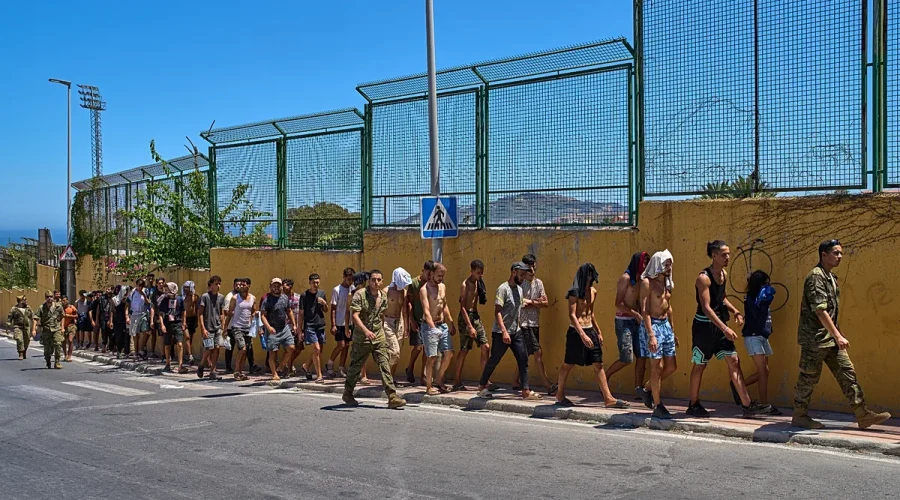
Usagevpn.com – Ceuta – The border zone separating Ceuta from Morocco has experienced a noticeable shift in mood compared to the turbulent days that preceded it. Spanish officials report that most of the approximately 60,000 individuals who made their way across the boundary during Thursday’s events have already begun their journey back home. While the large-scale movement has subsided, observers note a continuous, albeit smaller, flow of people making their way back across the line.
Many of those heading home shared similar stories about what prompted their decision to cross. According to accounts gathered by reporters, numerous individuals received messages through social media platforms suggesting that the border had been opened and that formal paperwork would not be necessary for entry. This information, whether accurate or not, proved influential in encouraging people to make the crossing.
From Fear to Outrage Among Local Population
Within the city itself, an emotional transformation has taken place. The initial apprehension that gripped residents has evolved into a more pronounced sense of indignation. Conversations with locals reveal widespread disbelief regarding how such an extraordinary situation could have unfolded. Many citizens are calling for immediate clarification from authorities about what transpired and why.
This charged social environment has intensified political discussions throughout the community. One resident captured the sentiment perfectly, noting the palpable anger circulating among neighbors. The individual emphasized that with 85,000 people calling Ceuta home and 60,000 newcomers arriving, questions about how to manage this influx have become urgent. Practical concerns also surfaced, with complaints about basic necessities becoming difficult to obtain. Shops remained closed, and even essential items like bread were scarce during the crisis period.
“I got the feeling that people are very, very angry. I know they’re very angry right now. There are 85,000 of us here, and 60,000 are coming in. So, tell me. What do we do? What are we going to do? We can’t even buy bread. There was no bread. There was nothing. Nothing, nothing. Everything was closed.”
Blame and Humanitarian Concerns Coexist
While some residents hesitated to assign responsibility, others spoke more freely about their grievances. A middle-aged man identified as PM directed criticism toward Prime Minister Pedro Sanchez, labeling him an “accomplice” in the situation. This resident described the events as unprecedented in his lifetime and expressed deep disappointment with how things had unfolded.
Not all perspectives focused solely on criticism. Some Ceutanos emphasized the humanitarian dimension of the crisis. A 78-year-old retired person shared thoughts about the moral obligation to help vulnerable individuals, particularly children, who had arrived without adequate provisions. This resident noted that basic needs like food and water should be provided, describing this as simple common sense. Furthermore, this individual expressed appreciation for the solidarity shown by both Ceuta and Spain as a whole.
“If there are children there, they need to be given something to drink, they need to be given something to eat. It’s common sense, but that now all of Ceuta, all of Spain—and Spain stands with you—is with you.”
However, the same pensioner offered a more critical assessment of the overall situation. The elderly resident compared the response to a declaration of martial law, noting the heavy military presence throughout the city. With soldiers stationed every ten meters and additional personnel managing logistics, this individual felt the situation warranted classification as a national emergency rather than a routine security operation.
“This is a state of emergency and a declaration of martial law, just to go shopping at Mercadona? I have to pass a soldier every ten meters away from him ten or twenty meters away from him and feed the troops well and the police. That’s a state of siege, and it’s a of national emergency. There’s no question about it.”
Political Leaders Respond to the Crisis
Santiago Abascal, head of the Vox political party, traveled to Ceuta to assess conditions firsthand. During his visit, he directed criticism toward the Spanish government, suggesting it had become overly accommodating toward Morocco. Speaking with journalists, Abascal placed primary responsibility on both the Moroccan government and Pedro Sánchez personally. He contended that Morocco proceeded with its actions believing Spain would not respond forcefully, characterizing the Spanish prime minister as subservient to African interests in his assessment of the diplomatic relationship.
Related Reading
Frequently Asked Questions
What is Ceuta?
Ceuta is the main topic of this guide. The article explains the context, practical details, and next steps readers should understand.
Why does Ceuta matter?
Ceuta matters because readers are looking for a useful answer, not just a short summary. Good content should match search intent and help them decide what to do next.