Calls for UK Public Inquiry After Jason Arday’s Death
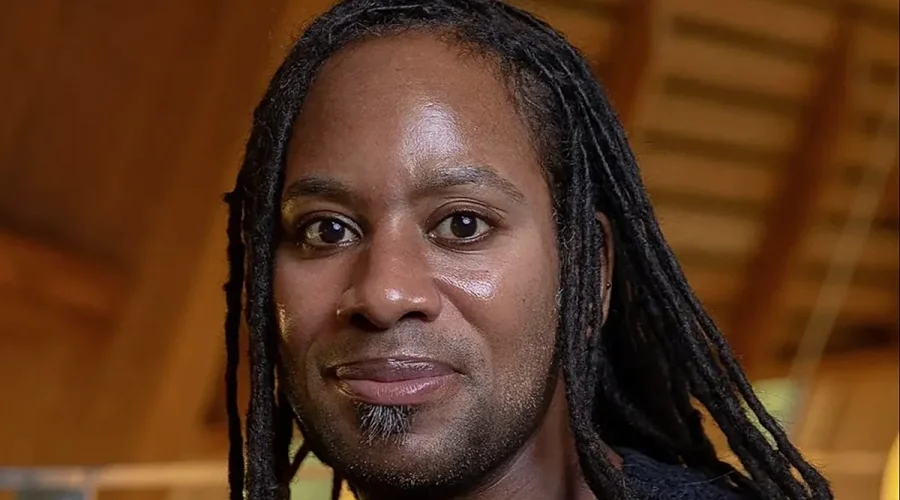
Usagevpn.com – Calls for UK public inquiry into the circumstances surrounding the death of former Cambridge academic Jason Arday have gathered momentum, with a petition now carrying more than 31,000 signatures — including those of several members of Parliament. Organised by the Good Law Project, the campaign urges Prime Minister Andy Burnham to commission a formal investigation into what organisers describe as a sustained campaign of media harassment that followed Arday in the final weeks of his life. Police have confirmed they are not treating the death, discovered on a Friday, as suspicious.
The petition’s timing is inseparable from a sequence of events spanning roughly three years, beginning with Arday’s appointment to Cambridge University — a role that made him the youngest-ever black professor in the institution’s history — and culminating in his resignation earlier this month and his death days later.
From Appointment to Allegation
Arday’s tenure at Cambridge, which began in 2023, was marked from the outset by intense public scrutiny. That scrutiny sharpened dramatically in July when Nathan Cofnas, a self-described “race realist” academic removed from his own Cambridge position in 2024, publicly claimed to have identified numerous instances of plagiarism in Arday’s published work. The accusation ignited a firestorm across British newspapers and commentary columns, many of which framed the dispute within the broader national debate over diversity, equality and inclusion (DEI) policies in higher education. Arday, who consistently disputed the claims, found himself at the centre of a media narrative that several commentators described as portraying him as an unfair beneficiary of institutional DEI programmes.
Both Cambridge University and Jesus College, where Arday held a fellowship, opened formal investigations into allegations of plagiarism and of fabricating or exaggerating elements of his personal biography. Arday resigned from both institutions on 5 August. In a letter published alongside his departure, he described the decision as “the only way” to bring an end to what he called a “difficult period,” while insisting it should not be “mistaken for an acceptance of the narratives that have surrounded me.”
A Death and Its Aftermath
Arday’s family and close friends have spoken publicly of what they characterise as a prolonged campaign of abuse stretching back to his initial appointment in 2023. Several friends noted that Arday had written extensively about being diagnosed with autism as a child and about not speaking until the age of 11, factors they said left him particularly exposed to sustained public pressure.
Simon Woolley, Arday’s former mentor and a senior member of staff at Cambridge University, gave an account to the BBC on Sunday of the last time he and a group of friends saw the professor. They met on the Monday before Arday’s death.
“He said he felt hounded to death, his words, that he couldn’t see a way out,” Woolley recalled. “On that day, we saw a man half his body weight and desperate beyond belief.”
The Good Law Project, which had been providing support to Arday from the moment of his resignation, stated on its website that many of the petition’s signatories had privately warned multiple media organisations that their relentless pursuit of the professor risked driving him to suicide.
“There cannot be any doubt that Dr Arday’s tragic death was the direct, foreseeable and foreseen result of press harassment,” the organisation wrote. “A significant element in that harassment was the colour of his skin,” it added, continuing, “there cannot be any doubt that racism lay at the heart of this story.”
What a Public Inquiry Would Mean
A public inquiry in the United Kingdom is a formal, independent investigation established by government to examine a matter of significant public concern. Unlike a police investigation or an internal university review, such a process carries statutory powers to compel witnesses and documents, and its findings shape future policy with considerable weight. Supporters of the current campaign argue that the intersection of press conduct, racial dynamics, and academic governance demands scrutiny beyond what any single institution can provide.
The debate over Arday’s case has also reignited wider conversations about how British universities handle allegations against senior academics, how media outlets cover disputes within academia, and whether the framing of DEI-related controversies in popular journalism contributes to outcomes that harm the individuals at their centre.
Frequently Asked Questions
What is a UK public inquiry? A public inquiry is an independent, statutory investigation commissioned by the government to examine matters of significant public concern. It holds powers to compel evidence and witnesses, and its recommendations, while not legally binding, carry substantial policy weight.
Who is leading the campaign for a public inquiry into Jason Arday’s death? The Good Law Project, a UK-based activist organisation, organised the petition and has been providing support to Arday’s family since his resignation in August.
What did police say about the circumstances of Arday’s death? Police confirmed they are not treating the death as suspicious. Arday was found dead on a Friday; he had resigned from Cambridge University and Jesus College on 5 August.
What allegations were