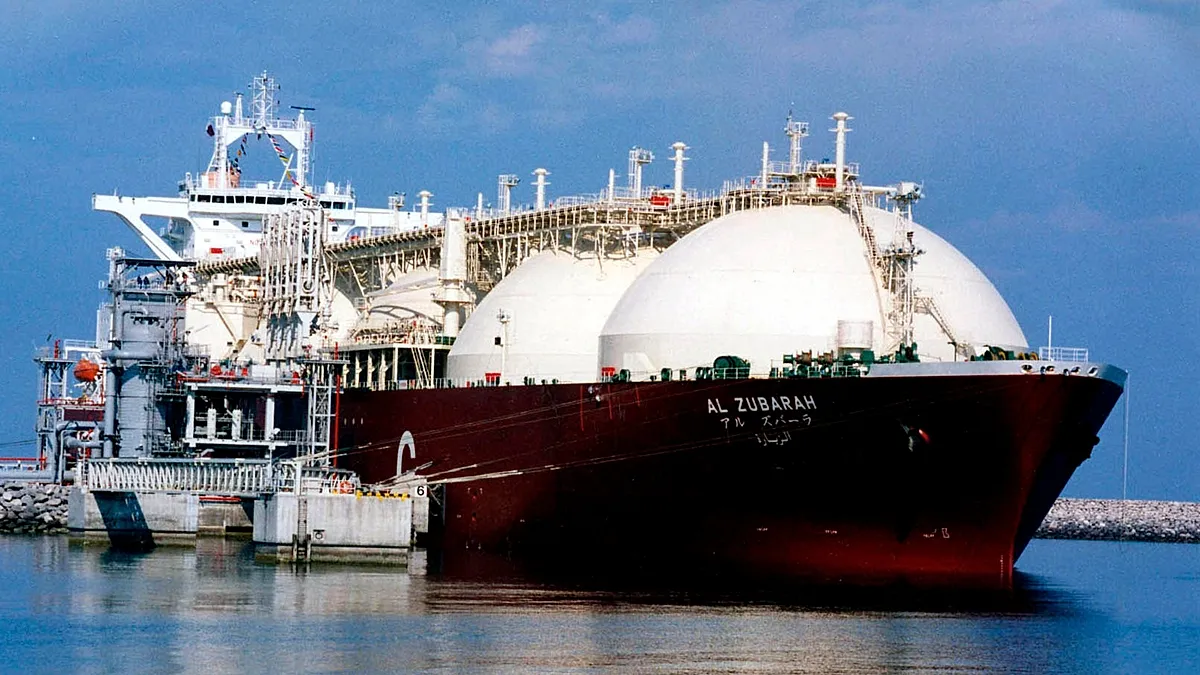
Brussels Proposes Easing Methane Penalties After Industry Pressure
Temporary Relief for Energy Importers
Usagevpn.com – Brussels proposes easing methane penalties following extensive lobbying from energy companies and major gas exporters. The European Commission has introduced a proposal to temporarily suspend penalties linked to the bloc’s methane regulations for three years. Industry stakeholders argue that current reporting requirements place too heavy a burden on businesses and could harm commercial relationships with European markets.
EU member states approved methane regulations in May 2024, creating the union’s first framework for tracking and verifying methane emissions throughout the energy sector. This initiative forms part of wider efforts to cut one of the most potent greenhouse gases driving climate change. Companies that do not comply with these rules will face financial penalties, with enforcement set to start in 2027.
The Commission’s new recommendations offer businesses a temporary reprieve from full compliance. This comes after sustained lobbying by countries including the United States, Qatar, Algeria, and Nigeria. These nations warned that strict rules could threaten Europe’s energy security while the bloc seeks to replace reduced supplies from other regions.
Balancing Environmental Goals and Energy Needs
Environmental groups worry that broad discretion in penalty waivers could weaken one of the world’s most ambitious methane reduction programs. Methane has a much higher warming potential than carbon dioxide over shorter timeframes, making it a critical target for climate action.
“A three-year sanction holiday, triggered by exaggerated and unsubstantiated security of supply concerns raised by industry, risks giving a free pass to methane-intensive gas imports – notably from the US,” said Esther Bollendorff, fossil free program manager at Climate Action Network Europe.
Bollendorff stressed that the recommendations should not stop member states from creating robust penalty systems. She described such mechanisms as essential for ensuring companies take responsibility for their environmental footprint. She also recommended reviewing the guidance before the planned 2028 rollout to allow earlier suspension if needed.
The four-page document provides importers with guidance on drafting contracts that help meet regulatory requirements. Although these recommendations do not create new legal obligations, they offer voluntary model contract clauses that energy buyers can use to align with methane rules. This approach addresses business requests for clearer regulatory expectations.
Next Steps for Implementation
The Commission’s guidance seeks to encourage fair, transparent, and sustainable contractual practices while providing a framework for adjusting agreement terms. These provisions aim to support compliance efforts and promote reliable supply chains for crude oil, natural gas, LNG, and coal heading to European markets.
“The optional model clauses are intended to promote fair, transparent and sustainable contractual practices, to provide a framework for the adjustment of contractual terms, to support compliance (…) and to foster reliable supply of crude oil, natural gas, LNG or coal to the Union,” the Commission’s recommendations say.
Industry representatives acknowledge that the Commission has identified certain weaknesses in the methane regulations that could potentially affect European energy security. However, they argue that the proposed non-binding guidance does not go far enough. A spokesperson for the International Association of Oil and Gas Producers noted that the Commission is still trying to address these issues through advisory measures rather than delivering the uniform legal certainty that Europe needs. Only specific amendments, as called for by both member states and industry players, can achieve this goal.
With less than six months before key provisions become operational, businesses warn that continued delays are already affecting commercial decisions and supply agreements. Stakeholders remain hopeful that Brussels proposes easing methane penalties will help smooth the path forward for all parties involved.