Bolton Interprets Trump’s Greenland Remarks as Political Theater Rather Than Policy Shift
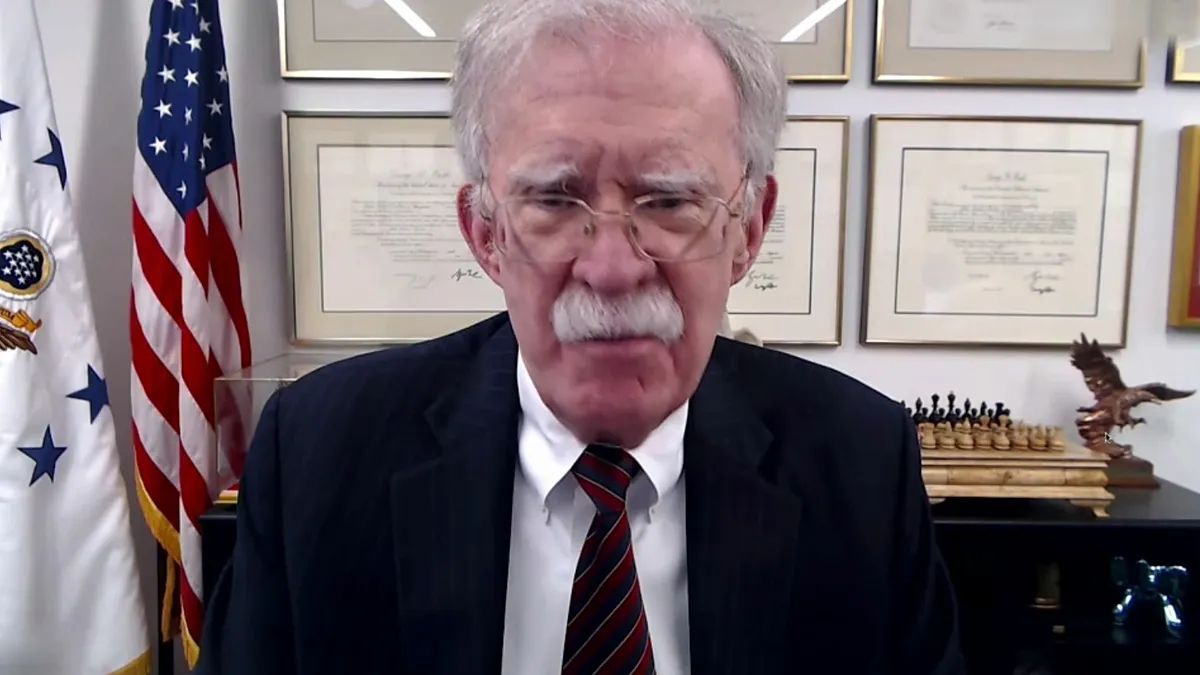
Bolton – During Euronews’ comprehensive coverage of the NATO summit held in Ankara, former national security adviser John Bolton offered insight into President Trump’s recent comments regarding Greenland. According to Bolton, these statements reflect the president’s characteristic political approach rather than signaling any fundamental change in American foreign policy direction.
Greenland: Provocation or Policy?
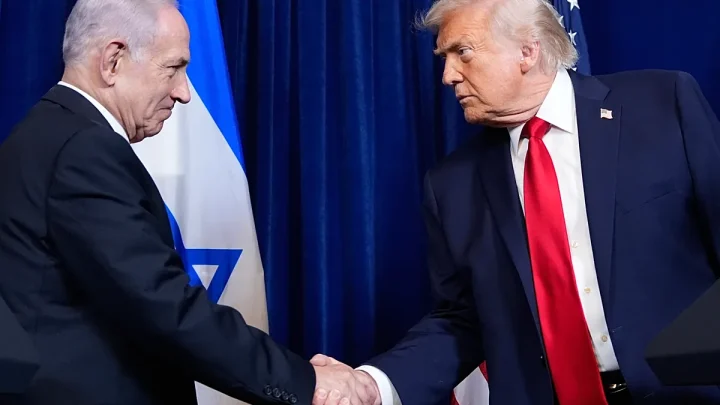
At the gathering in Turkey, Trump reiterated his position that the United States should assume control over Greenland. The president characterized this strategically significant Arctic region as essential for American security interests. Simultaneously, he directed criticism toward Denmark, suggesting the European nation had not done sufficient work to strengthen the territory’s defenses. Bolton, who held the position of national security adviser during Trump’s initial presidential term, explained that the current president maintains a longstanding pattern of issuing provocative declarations primarily to capture public attention. The former adviser characterized the behavior as deliberate provocation designed to generate reactions.
“He’s trolling people,” Bolton told Euronews. “Why does he talk about taking Greenland? Because it drives people crazy. That’s what it’s about.”
The former adviser recalled a specific incident from his White House tenure that illustrated this pattern. According to Bolton, Trump intentionally dictated portions of a social media message using capital letters because he anticipated this formatting choice would elicit a response from observers.
Summit Outcomes and Alliance Relations
Despite Trump’s vocal criticism of multiple partner nations—including Spain, which the American president labeled as a “wasted cause”—Bolton characterized the overall results of the summit as favorable. He expressed approval of the consensus statement that all members agreed upon.
“I think the final statement that was agreed unanimously is a good statement,” he said, adding that the outcome for Ukraine remained “very positive”, even if President Volodymyr Zelenskyy did “not get everything he wanted”.
During a separate bilateral encounter, the American president acknowledged that his relationship with the Ukrainian leader had strengthened following an initial disagreement that occurred in the Oval Office during 2025.
Questioning Annual Summit Requirements
Bolton also raised doubts about whether NATO should maintain its tradition of convening annual leaders’ meetings. He pointed out that the summit declaration contained no mention of a scheduled 2027 gathering in Albania. Based on this observation, he argued that the alliance faces no obligation to convene each calendar year.
“There is no requirement for a NATO summit every year,” Bolton said. “If you skipped a year or two, it wouldn’t be the end of the world.”
The former adviser suggested that reducing the frequency of these gatherings might also diminish the likelihood of political instability, particularly given the uncertainty surrounding how Trump might approach the alliance in the future.
Trump’s Evolving Demeanor
While the American president arrived in Ankara with a critical stance toward allies, his final press conference revealed a more constructive tone. He described most partner nations as fundamentally good people during his closing remarks.
“Who knows what Donald Trump’s mood will be a year from now?” he told Euronews.
Bolton’s analysis suggests that Trump’s Greenland comments, much like his other provocative statements, should be understood within the broader context of his communication style rather than interpreted as definitive policy commitments. The former adviser’s perspective provides valuable insight into how to read the president’s frequently changing public pronouncements.