Afghan man Farhad N jailed for life in Munich car-ramming
Usagevpn.com – A German court has sentenced an Afghan man Farhad N jailed for life after a deadly vehicle attack in Munich that killed two people and injured dozens of others. The verdict, delivered on Thursday, includes a finding of “particular gravity of guilt,” which means the 25-year-old is unlikely to ever receive parole. The conviction follows a February 2025 incident in which the man drove a Mini Cooper into a crowded trade union demonstration.
What Happened During the Attack
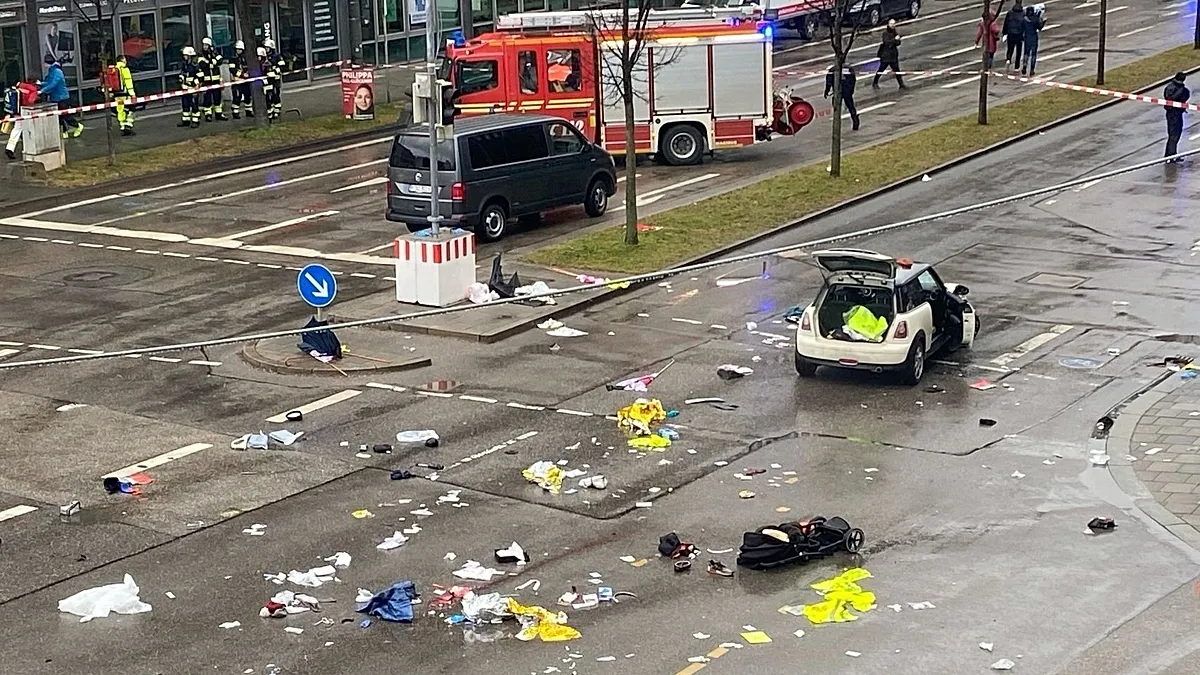
The car-ramming occurred in February 2025, just days before Germany’s general election. Farhad N. accelerated his vehicle through a march of approximately 1,400 participants. Judge Michael Hoehne described the aftermath as “a field of nothing but debris, 12 metres wide.” A 37-year-old woman and her young daughter were thrown through the air and later died from head injuries.
One victim described the lasting impact of the assault, stating they had lived “one life before the attack and another one after it.”
The mother had positioned herself at the rear of the march, believing the stronger police presence offered greater safety. The crowd gradually slowed and halted the vehicle, preventing even greater loss of life.
Court Verdict and Motivations
The Munich court convicted Farhad N. on multiple charges: two counts of murder, twenty-three counts of attempted murder, and twenty-two counts of bodily harm, with nineteen classified as serious. Prosecutors presented evidence that the attacker acted with religious motivation, shouting “Allahu Akbar” during the rampage. However, investigators concluded he was not affiliated with organized jihadist groups such as the Islamic State.
The court found that the offences carried a “particular gravity of guilt,” a designation that makes it much less likely that the 25-year-old will ever be released from prison.
Prosecutors also identified loneliness and anxiety as contributing factors. Farhad N. remained largely silent about his motivations throughout the trial, though Judge Hoehne characterized him as having “a fragile sense of self-worth” while attempting to project “an idealised image of himself.” The defense team had petitioned for Farhad N. to be transferred to a psychiatric facility, but court-appointed mental health experts determined that his psychological conditions did not diminish his criminal responsibility.
Background and Radicalization
Farhad N. arrived in Germany as an unaccompanied minor in 2016 at the age of fifteen. Although his asylum application was denied, authorities permitted him to remain in the country and seek employment. Police records indicate he worked in security and maintained an active lifestyle centered on fitness training and bodybuilding. Investigators believe Farhad N. underwent radicalization in the months preceding the attack through online content produced by Afghan religious preachers. His arrival in Germany coincided with a period of heightened immigration debate in the country.
Political Impact and Electoral Consequences
The timing of the attack amplified its political significance. Occurring just days before the February 2025 general election, the incident intensified discussions surrounding immigration policy and national security. The assault also took place on the eve of the Munich Security Conference, a prominent gathering of political and defense leaders. The election results reflected shifting voter priorities. The far-right Alternative for Germany (AfD) secured its strongest performance to date, capturing more than twenty percent of the vote. The centre-right CDU/CSU emerged victorious, with leader Friedrich Merz assuming the role of chancellor. Merz campaigned on a platform of stricter immigration controls aimed at curbing the AfD’s growing influence.
The attack was one of several committed by foreign nationals in the run-up to last year’s general election that inflamed debate on immigration and security.
Since the election, political dynamics have continued to evolve. The CDU/CSU has experienced declining support in opinion polls, while the AfD has maintained a steady advantage, suggesting the electoral concerns raised during the campaign remain relevant.
Frequently Asked Questions
When did the Munich car-ramming occur? The attack took place in February 2025, just days before Germany’s general election.
How many people were killed in the incident? Two people died from their injuries: a 37-year-old woman and her young daughter.
What sentence did Farhad N. receive? He was sentenced to life imprisonment with a finding of “particular gravity of guilt,” significantly reducing his chances of parole.
Was Farhad N. affiliated with a terrorist organization? No, investigators concluded he was not affiliated with organized jihadist groups such as the Islamic State.
How old was Farhad N. when he arrived in Germany? He arrived as an unaccompanied minor in 2016 at the age of fifteen.