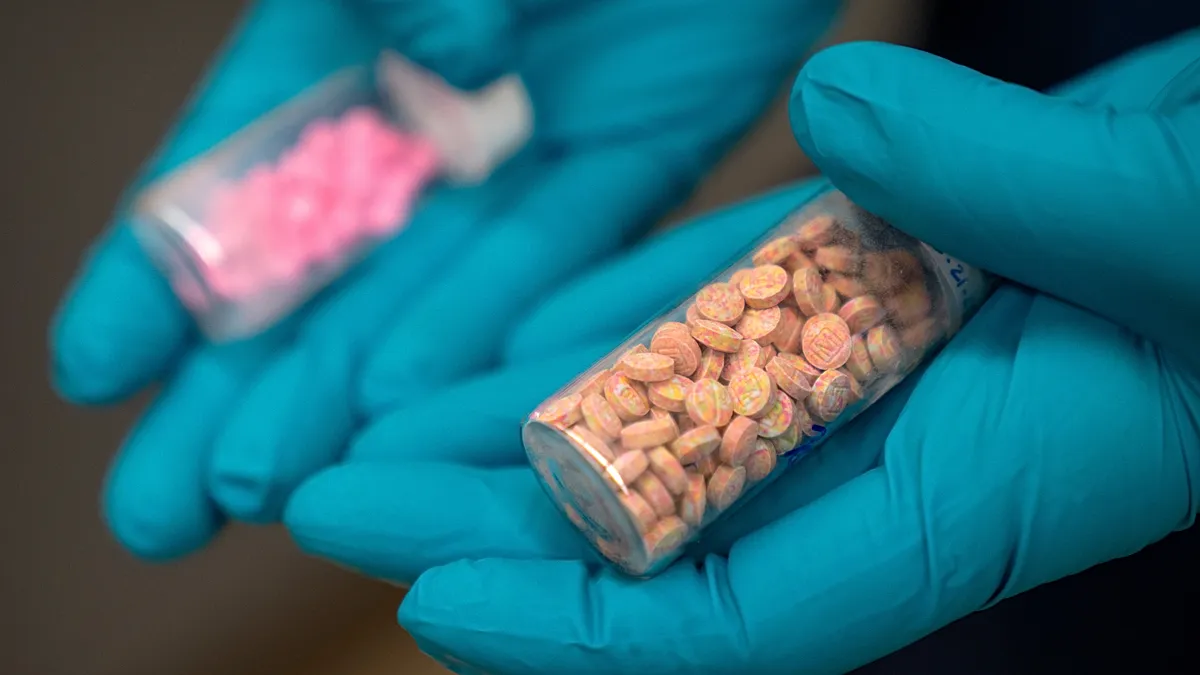
80 Vials of Fentanyl Stolen from Rome Hospital, Enough for 20,000 Doses
Incident at Rome’s Israelitic Hospital Sparks Concerns
80 vials of fentanyl stolen – The theft of 80 vials of fentanyl from Rome’s Israelitic Hospital has raised alarms among Italian authorities. This potent synthetic opioid, known to be up to 100 times stronger than morphine, is a critical component in medical treatments for severe pain and as an anesthetic. The stolen quantity, if misused, could be sufficient to produce approximately 20,000 doses, posing a significant risk of being diverted to the illicit drug market. Such a scenario has intensified fears in Italy, where the proliferation of fentanyl has already led to a public health crisis.
The incident was reported by the hospital’s pharmacy head on June 24, marking the beginning of a multi-agency investigation. What has further alarmed officials is the lack of any signs of forced entry at the secure storage location where the vials were kept. The keys to this facility are distributed among several hospital staff members, suggesting the theft may have occurred through internal negligence or deliberate acts by someone with access. The Carabinieri’s National Anti-Smuggling Unit (NAS) has been assigned to lead the probe, focusing on the theft and potential intent to supply narcotics.
The Dangers of Fentanyl in Illicit Use
Fentanyl, while essential in clinical settings, carries a high risk of misuse when taken outside of prescribed medical contexts. Its extreme potency makes it particularly dangerous, with as little as 3 milligrams capable of causing a fatal overdose. This characteristic has earned it the moniker “zombie drug,” especially when mixed with xylazine, a substance commonly used in veterinary medicine, to create a more potent and addictive blend. In countries like the United States and Canada, fentanyl-related deaths have surged, prompting widespread public health initiatives to curb its spread.
Italy, too, has faced growing concerns about fentanyl’s presence in the illegal drug market. The government has responded by implementing a “National prevention plan against the improper use of fentanyl and other synthetic opioids,” unveiled in March 2024 by the Anti-Drugs Policy Department of the Prime Minister’s Office. The plan aims to enhance monitoring, educate healthcare professionals, and streamline protocols for handling high-risk medications. However, the recent theft highlights the ongoing challenges in preventing such substances from falling into the wrong hands, even within secure medical facilities.
Government and Regional Responses to the Theft
Following the theft, the Ministry of Health swiftly launched an inspection, with Minister Schillaci spearheading the initiative. The ministry has also prepared a “new circular” to strengthen oversight of fentanyl’s storage and distribution in medical and hospital settings. This circular is expected to introduce stricter measures to ensure accountability and reduce the likelihood of similar incidents in the future.
In addition, an emergency meeting was convened at Palazzo Chigi, the Italian government’s administrative headquarters, chaired by undersecretary Alfredo Mantovano. The meeting emphasized the importance of adhering to procedures for managing high-risk medicines, aiming to safeguard public health and prevent further breaches. “The need to ensure compliance with the procedures laid down for the management of high-risk medicines, in order to protect public health and prevent similar incidents from happening again,” said Mantovano during the session. The discussion also included plans to reconvene the monitoring committee on the anti-fentanyl plan, which will assess progress and identify areas for improvement.
“The need to ensure compliance with the procedures laid down for the management of high-risk medicines, in order to protect public health and prevent similar incidents from happening again,” said Mantovano during the session.
The Lazio Region has taken proactive steps to address the issue, ordering an extraordinary inspection of the Israelitic Hospital. This move underscores the regional government’s commitment to verifying the management of narcotic drugs across all healthcare facilities in the area. Authorities have also directed local health agencies to conduct thorough checks, expanding control measures to ensure the highest safety standards are maintained throughout the region. Such actions reflect a broader strategy to combat the misuse of fentanyl and other synthetic opioids, which have become a growing threat in both medical and criminal contexts.
Context and Implications of the Theft
The theft has brought to light the vulnerabilities in Italy’s pharmaceutical security systems. Despite the presence of the National prevention plan, the incident suggests that additional safeguards are necessary to prevent the diversion of critical medications. Fentanyl’s role in both medical and illicit markets means that its misuse can have devastating consequences, from accidental overdoses in patients to intentional drug trafficking.
Experts warn that the theft could have far-reaching implications, particularly if the vials were accessed by individuals with a history of drug abuse or criminal activity. The ease with which fentanyl can be stolen from a hospital highlights the need for improved tracking systems and access controls. In response, the Ministry of Health is working closely with law enforcement agencies to develop a comprehensive strategy for preventing such incidents. This includes training staff on the importance of secure storage and implementing real-time monitoring of high-risk substances.
The situation also serves as a reminder of the global impact of fentanyl. While the drug is used legally in many countries, its potential for abuse has made it a central figure in the opioid epidemic. Italy’s recent theft adds to the list of incidents where fentanyl has been intercepted in healthcare settings, underscoring the urgency of international cooperation to combat its spread. The National prevention plan, for instance, is part of a broader effort to align with European Union initiatives aimed at reducing the risk of synthetic opioids being used in criminal contexts.
Future Steps and Long-Term Strategies
As the investigation continues, officials are emphasizing the importance of transparency and accountability. The Carabinieri’s NAS unit is currently analyzing the security protocols of the Israelitic Hospital, seeking to determine how the vials were removed without detection. This includes reviewing surveillance footage, interviewing staff, and examining the hospital’s inventory systems.
Meanwhile, the Ministry of Health is preparing to roll out new guidelines that will further regulate the handling of fentanyl in medical facilities. These measures are expected to include mandatory training for pharmacy staff, enhanced labeling for fentanyl vials, and stricter documentation requirements for its distribution. The goal is to create a more robust framework that minimizes the risk of theft and ensures that the drug is only used for its intended purposes.
Italy’s response to the theft also highlights the interplay between national and regional governance in addressing public health threats. The Lazio Region’s decision to extend inspections beyond the Israelitic Hospital signals a shift toward a more integrated approach, combining federal oversight with local accountability. This collaboration is seen as vital in maintaining the integrity of medical supplies and preventing the opioid crisis from gaining further traction within Italy’s borders.
With the theft of 80 vials, the Italian government faces the challenge of balancing the drug’s medical necessity with its potential for misuse. The National prevention plan and upcoming regulatory updates are critical in achieving this balance, ensuring that fentanyl remains a tool for healing rather than a weapon for harm. As investigations progress, the case serves as a cautionary tale for other countries grappling with similar issues in their own healthcare systems.