22 EU Leaders Call for Emergency Talks on Ceuta Migration Surge
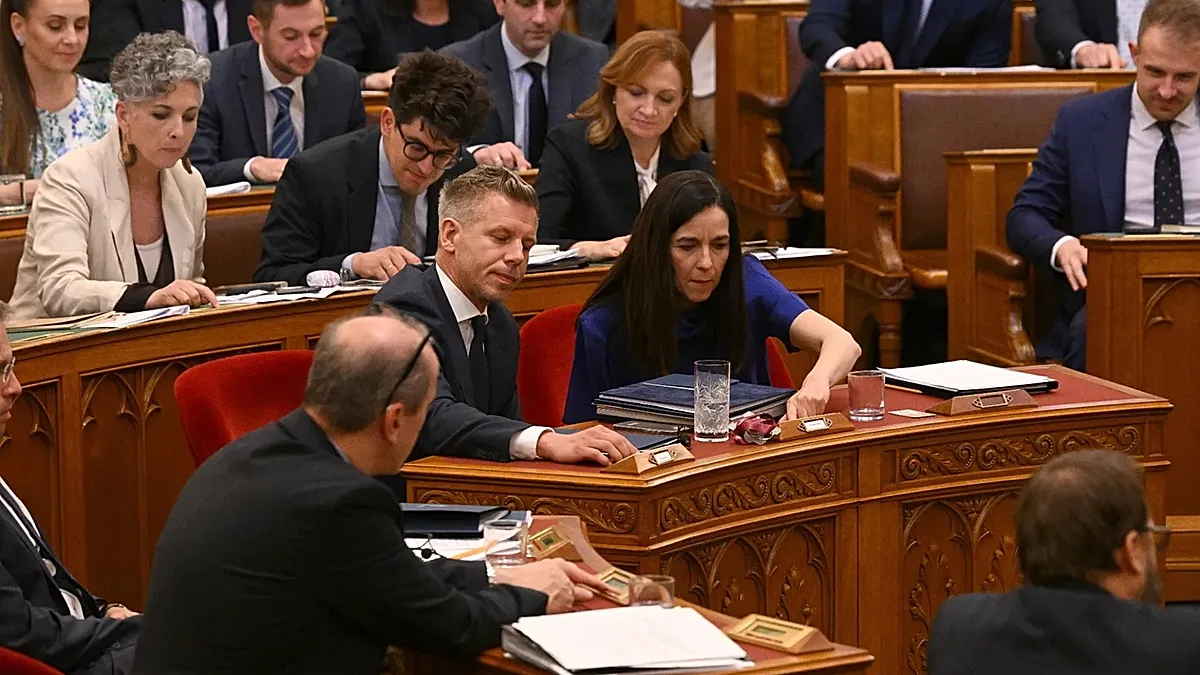
Usagevpn.com – A coalition of 22 European Union member states has formally requested an urgent gathering to address the escalating migrant situation in Ceuta, the Spanish territory located on North Africa’s northern coast. According to diplomatic sources speaking to Euronews, this initiative was primarily driven by Italy and Denmark, who recognized the need for immediate coordinated action. The signatories have specifically requested “an extraordinary videoconference of the Ministers of the Interior,” emphasizing that this matter requires prompt attention from all concerned parties.
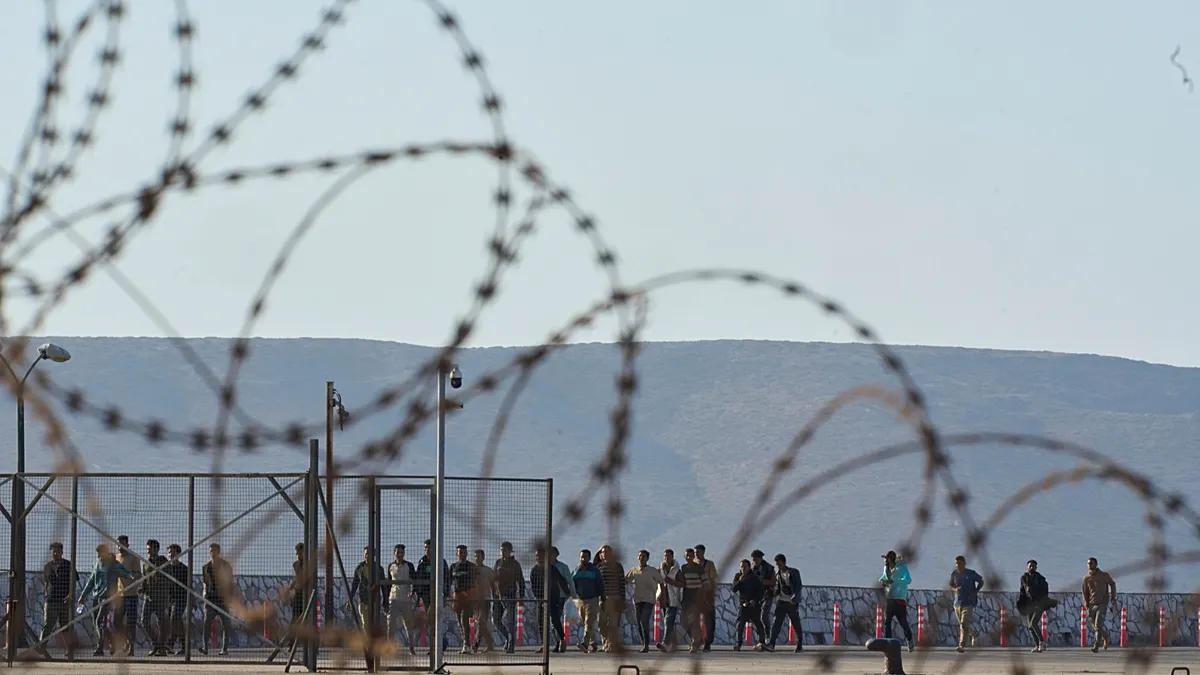
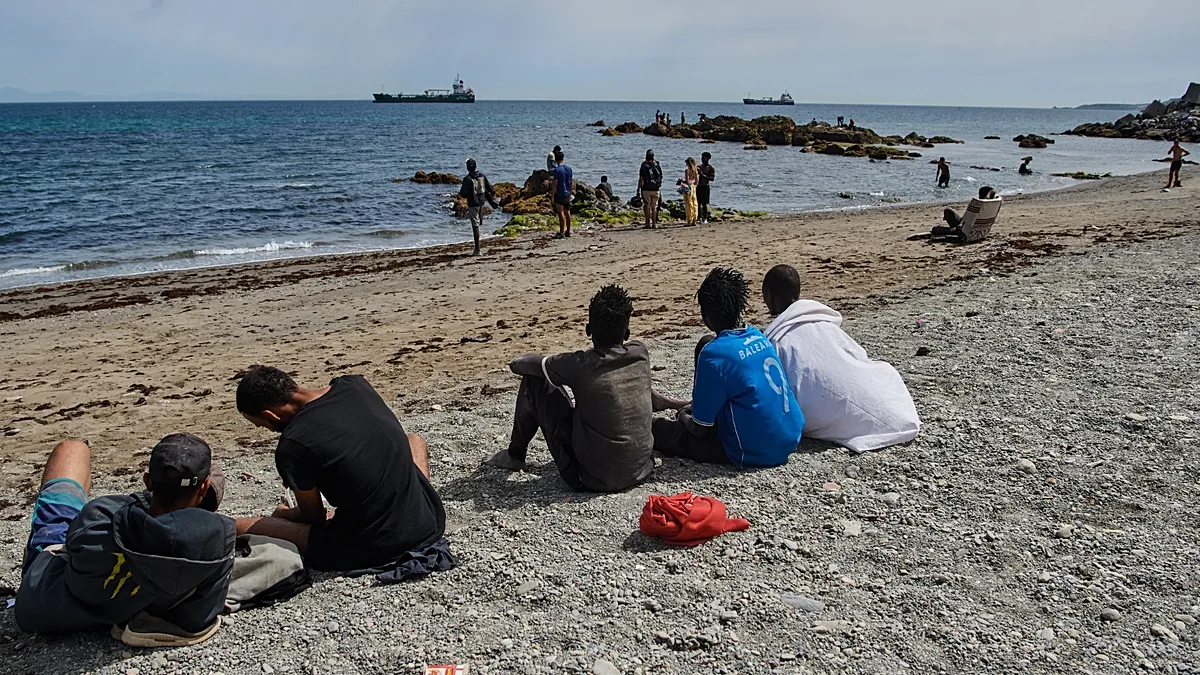
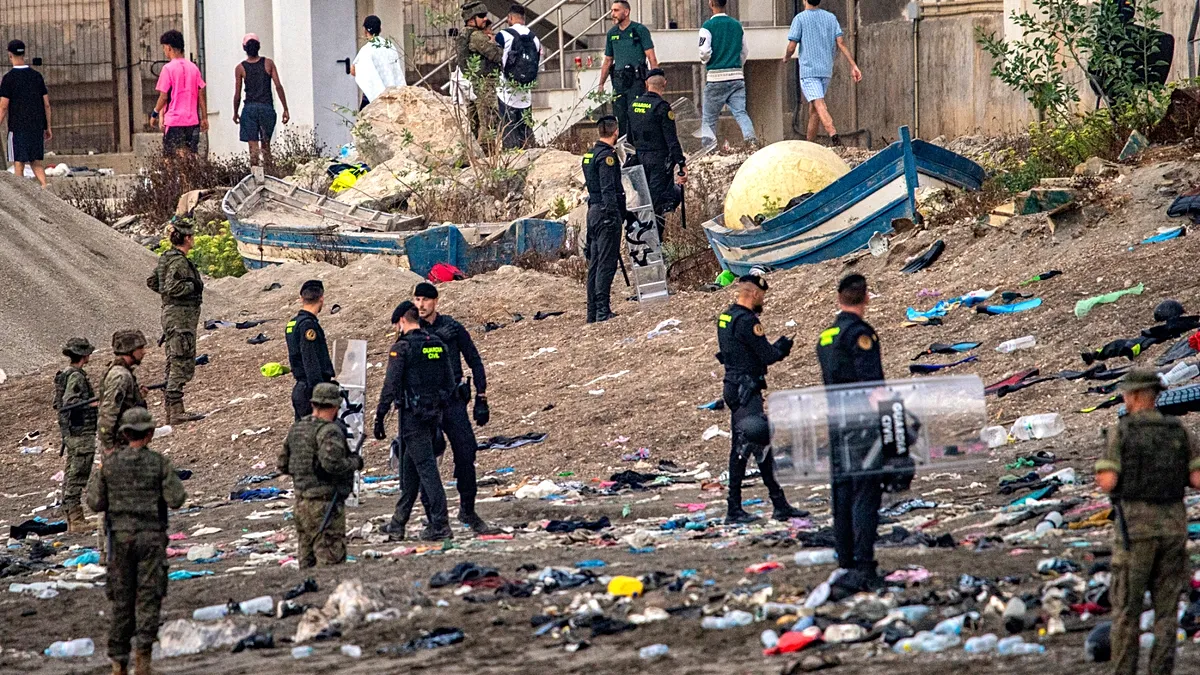
The timing of this diplomatic push comes as tensions rise over the movement of approximately 50,000 migrants who crossed from Morocco into Ceuta on Thursday. While Spanish authorities maintain that nearly all arrivals have been successfully returned to Moroccan territory, the 22 leaders expressed “serious” reservations about how the situation is being managed. Notably, French President Emmanuel Macron, Portuguese Prime Minister Luís Montenegro, and Luxembourg’s Prime Minister Luc Frieden chose not to endorse the letter, which was formally addressed to European Commission President Ursula von der Leyen, European Council President António Costa, and Irish Prime Minister Micheál Martin.
Building a Coordinated European Response
With Ireland currently holding the presidency of the Council of the European Union since July, the 22 leaders outlined clear objectives for their proposed emergency session. They emphasized the need to develop “a common assessment of the situation” in Ceuta and to secure “an agreement on a coordinated European response” that addresses both immediate concerns and longer-term challenges. The letter warned that uncontrolled mass crossings and the instrumentalisation of migration could create dangerous precedents for other member states.
The signatories explicitly stated that they would not allow “the perception that illegal entry into the European Union is possible” to take hold. To prevent this, they indicated willingness to consider “any necessary measures,” including the potential reinforcement or reintroduction of temporary internal border controls. The letter further cautioned that such a perception could “encourage further attempts, undermine confidence in our common migration policy and have repercussions for all Member States.”
Another point of contention raised in the letter concerns Spain’s recent decision to grant legal status to certain unauthorized migrants. The 22 leaders identified this policy as a potential “pull factor” that may have contributed to the current crisis, though Madrid has strongly contested this interpretation. This disagreement highlights the broader challenge of balancing humanitarian considerations with border management across the EU.
Spanish Prime Minister Pedro Sánchez responded to the criticism by characterizing the EU’s reaction as “rather asymmetric.” In his own correspondence with von der Leyen on Saturday, Sánchez acknowledged that “most have shown us their support and solidarity, and have offered their assistance.” However, he noted that “others, however, have chosen to attack Spain and to call for its temporary exclusion from the Schengen Area,” a clear reference to proposals from Italian Prime Minister Giorgia Meloni’s government to suspend Spain’s visa-free Schengen travel arrangement.
Looking Ahead: What Comes Next?
As the emergency talks approach, all eyes will be on whether the 22 EU leaders call for emergency measures can achieve consensus on a unified approach. The outcome will likely shape not only the immediate response to Ceuta but also the broader trajectory of EU migration policy in the coming months.
Frequently Asked Questions
What is Ceuta and why is it significant? Ceuta is a Spanish autonomous city located on the northern coast of Africa, bordering Morocco. Its geographical position makes it a key entry point for migrants seeking to reach Europe.
Why did 22 EU leaders call for emergency talks? The leaders sought urgent discussions to address the sudden influx of approximately 50,000 migrants and to develop a coordinated European response to prevent uncontrolled crossings.
Which EU leaders did not sign the letter? French President Emmanuel Macron, Portuguese Prime Minister Luís Montenegro, and Luxembourg Prime Minister Luc Frieden did not endorse the emergency call.
What measures are being considered? Potential responses include temporary internal border controls, enhanced coordination among member states, and possible adjustments to Schengen arrangements.