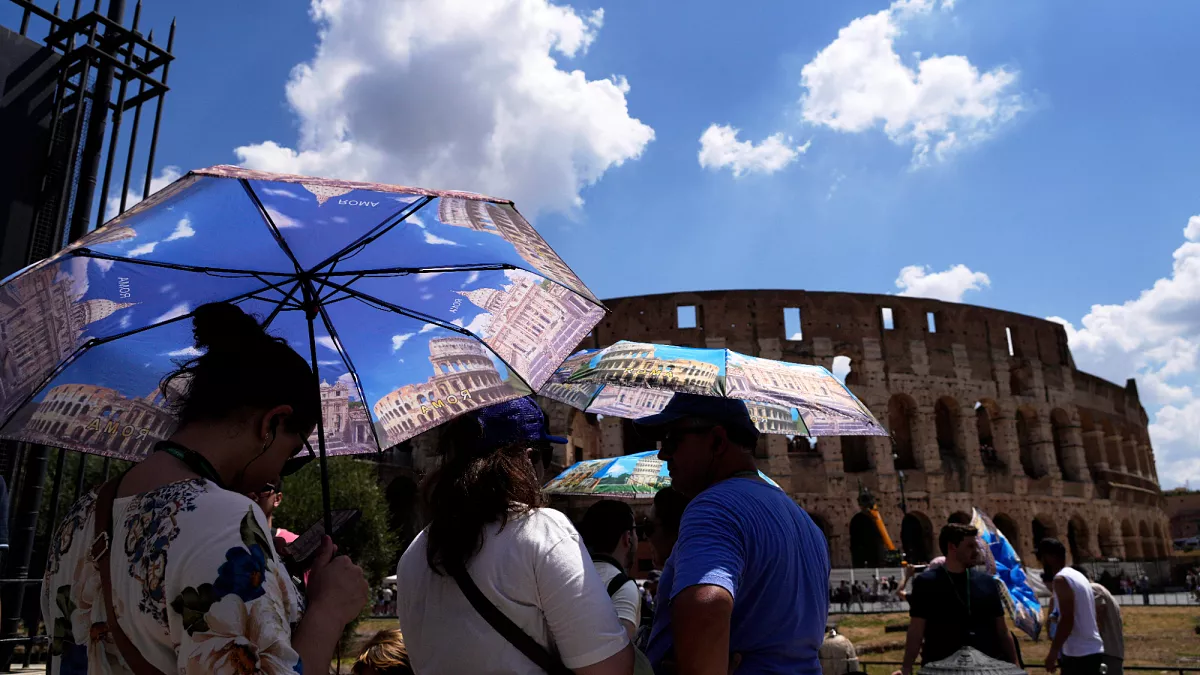
WHO Urges Immediate Action as Europe Faces 200,000 Preventable Heat-Related Deaths
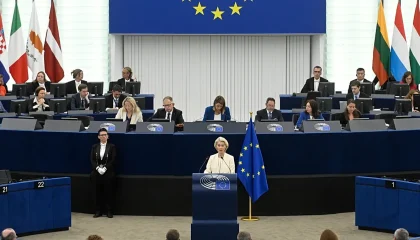
WHO says Europe must act after 200 – Global warming has intensified the threat of extreme heat, resulting in a surge of heat-related illnesses and premature fatalities worldwide. The World Health Organization (WHO) has sounded an alarm, highlighting that Europe alone has experienced more than 200,000 preventable deaths linked to heat over the past four years. Hans Kluge, the WHO’s Europe director, emphasized this during the launch of the organization’s updated Heat–Health Action Plans Guidance in Germany, stressing the urgent need for proactive measures to mitigate the growing crisis.
A Climate Crisis in Full Swing
Climate change is no longer a distant threat; its effects are now a tangible reality, with extreme heat emerging as one of the most immediate and life-threatening challenges. Kluge described heatwaves as “a recurring crisis inflicting suffering, claiming lives and fracturing our health systems and infrastructure,” underscoring their increasing frequency and severity. The report notes that such events are no longer isolated incidents but a regular occurrence, demanding coordinated responses from governments and communities alike.
“The impacts of climate change are a clear and present danger, and its most immediate and lethal manifestation is extreme heat,” said Kluge during the presentation.
Europe, already vulnerable to the effects of global warming, has been hit particularly hard. The WHO warned that the continent is among the regions most severely impacted by rising temperatures, with frequent heatwaves pushing health systems to their limits. The data reveals a stark regional disparity, as Italy, Spain, Germany, and Greece have borne the brunt of these deaths. Greece, in particular, recorded the highest number of heat-related fatalities per million people, according to the findings.
Systemic Vulnerabilities and Social Inequality
Experts point to a combination of factors that have heightened Europe’s susceptibility to heat-related illnesses. These include the steady rise in global temperatures, rapid urbanization, and an aging population. Together, these trends have created a perfect storm, increasing exposure to heat while simultaneously reducing the capacity of vulnerable groups to adapt. “Protection against heat is also a social issue,” remarked Carsten Schneider, Germany’s Federal Environment Minister. He explained that individuals lacking access to green spaces, cooling facilities, or well-insulated housing are disproportionately affected, particularly in densely populated urban areas.
“After all, those who do not have a garden or a swimming pool and live in overheated flats in concrete-covered urban districts can hardly protect themselves against the heat,” Schneider added.
The WHO’s report highlights that while individual actions—such as staying indoors during peak heat or maintaining cooler living environments—can reduce risk, they are insufficient to counter the systemic nature of the problem. Kluge acknowledged that personal efforts matter but insisted they must be complemented by large-scale strategies. “Heat–health action plans save lives,” he stated. “They allow cities and countries to anticipate, prepare for, and respond to extreme heat in a coordinated manner.”
Comprehensive Guidelines for a Hotter Future
The newly released second edition of the WHO’s Heat–Health Action Plans Guidance offers a detailed roadmap for governments and stakeholders to address the crisis. The document outlines a wide array of measures, from urban greening initiatives to the establishment of cooling centers, ensuring that communities have accessible resources during heatwaves. It also emphasizes the role of social services in safeguarding the elderly, who are at higher risk due to declining physical resilience and limited ability to regulate body temperature.
Additionally, the guidelines stress the importance of educating key groups, such as teachers and child carers, on identifying early signs of heat-related illness. These steps aim to create a multi-layered defense, combining environmental, health, and social interventions to build resilience. The first edition of the guidance, launched in 2008, laid the foundation for such strategies, but the latest update incorporates recent data and insights from field experiences, reflecting the evolving nature of the challenge.
The Road Ahead: Mitigating the Heat
With temperatures expected to rise further, the urgency for action has never been greater. The WHO’s updated guidance serves as a call to arms for policymakers, urging them to implement robust prevention programs. These plans not only focus on immediate relief but also on long-term adaptation, addressing the root causes of vulnerability. By integrating climate projections into public health frameworks, Europe can better prepare for the anticipated increase in heat-related emergencies.
Experts warn that without swift intervention, the consequences will be severe. The convergence of demographic shifts and urban development has created a situation where even minor temperature spikes can trigger widespread health impacts. “We must act now to prevent the next wave of preventable deaths,” Kluge stressed. “This is not just about saving lives; it’s about ensuring the stability of our societies in the face of a warming planet.”
The report also calls for greater investment in infrastructure and public awareness campaigns. Cooling centers, for example, provide critical refuge for those unable to escape the heat, while urban greening helps to lower local temperatures and improve air quality. These measures, combined with targeted outreach to at-risk populations, can significantly reduce the toll of extreme heat. However, the success of such initiatives depends on political will and public cooperation, both of which are essential to turning the tide against the climate crisis.
As Europe grapples with the reality of a hotter future, the WHO’s guidance offers a vital tool for addressing the growing threat. By fostering collaboration between health authorities, urban planners, and social services, the continent can build a more resilient response to extreme heat. The path forward is clear, but the time to act remains critical, with every degree of warming bringing new challenges and opportunities for intervention.