Danger to the region: EU and UNICEF send 100 tonnes of aid to DR Congo amid Ebola outbreak
Danger to the region – The European Union and UNICEF have dispatched 100 tonnes of emergency supplies to the Ituri Province in the Democratic Republic of Congo (DRC) as part of an urgent effort to combat the ongoing Ebola crisis. This critical shipment, which departed from Liege, Belgium, on Monday, includes a variety of essential items designed to bolster the response to the outbreak. These resources are crucial in addressing the immediate needs of those affected by the disease, which has spread rapidly across the region.
Aid Breakdown and Immediate Impact
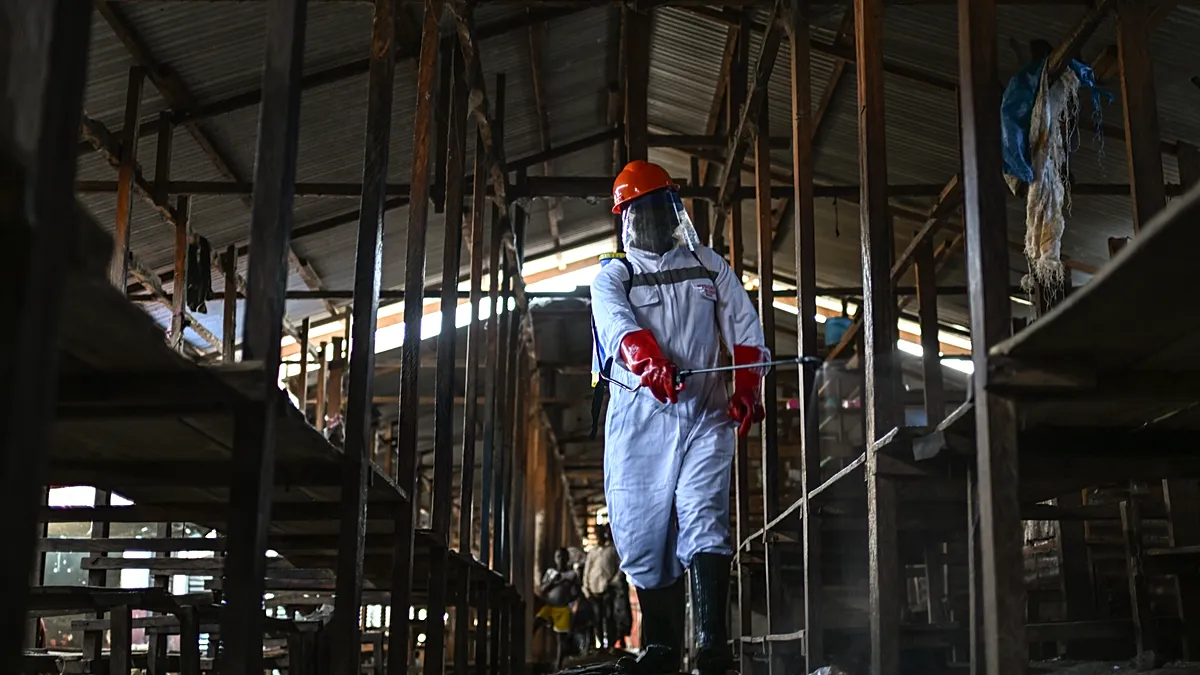
The supplies consist of medicines, infection prevention tools, personal protective gear, and equipment for treating cholera and malaria. High-performance tents and other logistical items are also part of the package, ensuring that healthcare facilities can operate efficiently. UNICEF emphasized that these items will support approximately 100,000 individuals directly impacted by the outbreak. However, the aid’s scope extends beyond this immediate group, as EU Commissioner for Preparedness and Crisis Management Hadja Lahbib noted that it will also benefit five million people in the broader region who rely heavily on humanitarian assistance.
“This outbreak poses a significant threat to the region, the country, and neighboring nations,” Lahbib stated, underscoring the regional implications of the crisis. She added that one million of the five million recipients are displaced, living in camps spread across the province.
On 17 May, the World Health Organization (WHO) elevated the latest Ebola outbreak, caused by the Bundibugyo virus, to a public health emergency of international concern. This designation highlights the severity of the situation and the potential for the disease to spread beyond the DRC. While the Bundibugyo virus has been identified in previous outbreaks, this current episode has intensified fears of its regional impact.
EU’s Financial Commitment and Research Support
Despite the absence of vaccines or treatments for the Bundibugyo strain, the EU has pledged €7.4 million to accelerate research and development initiatives in collaboration with WHO. This funding aims to fast-track clinical trials and improve the availability of effective therapies. Lahbib explained that the EU’s efforts are not limited to immediate aid; they are also focused on long-term solutions to address the disease’s transmission risks.
The European Centre for Disease Prevention and Control (ECDC) reported that the likelihood of the virus spreading to people in the European Union and the European Economic Area remains relatively low due to its mode of transmission—direct contact with bodily fluids of infected patients. Nevertheless, the situation in the DRC is considered a critical challenge, requiring coordinated action at both regional and international levels.
Collaborative Coordination and Preparedness
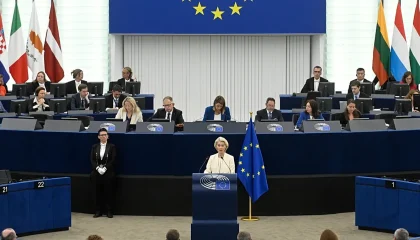
Commissioner Lahbib highlighted that the EU is working closely with the Africa Centres for Disease Control and Prevention (Africa CDC), WHO, and EU Member States through the Health Security Committee (HSC). This collaborative framework ensures a unified approach to disease prevention and response. The HSC plays a pivotal role in aligning strategies and resources to mitigate the outbreak’s effects and strengthen preparedness for future health crises.
The scale of the current outbreak is a stark reminder of the ongoing challenges in the DRC. With 17 recorded Ebola outbreaks since 1976, including nine in the past 16 years, the country has faced significant health threats. The Bundibugyo virus, which has been responsible for several of these outbreaks, underscores the need for continuous vigilance and investment in public health infrastructure.
As the situation evolves, the EU and UNICEF are not only providing immediate relief but also reinforcing long-term strategies to prevent future outbreaks. Their combined efforts aim to ensure that affected communities receive timely support while contributing to the development of new medical interventions. This collaboration reflects a shared commitment to safeguarding global health and minimizing the spread of infectious diseases across borders.
The shipment’s arrival in DR Congo marks a crucial step in the fight against the virus. With the disease spreading through direct contact with infected bodily fluids, the availability of protective equipment and treatment facilities becomes paramount. The aid will be instrumental in containing the outbreak and reducing the strain on local healthcare systems. As the regional threat escalates, international solidarity remains a key factor in addressing the crisis effectively.