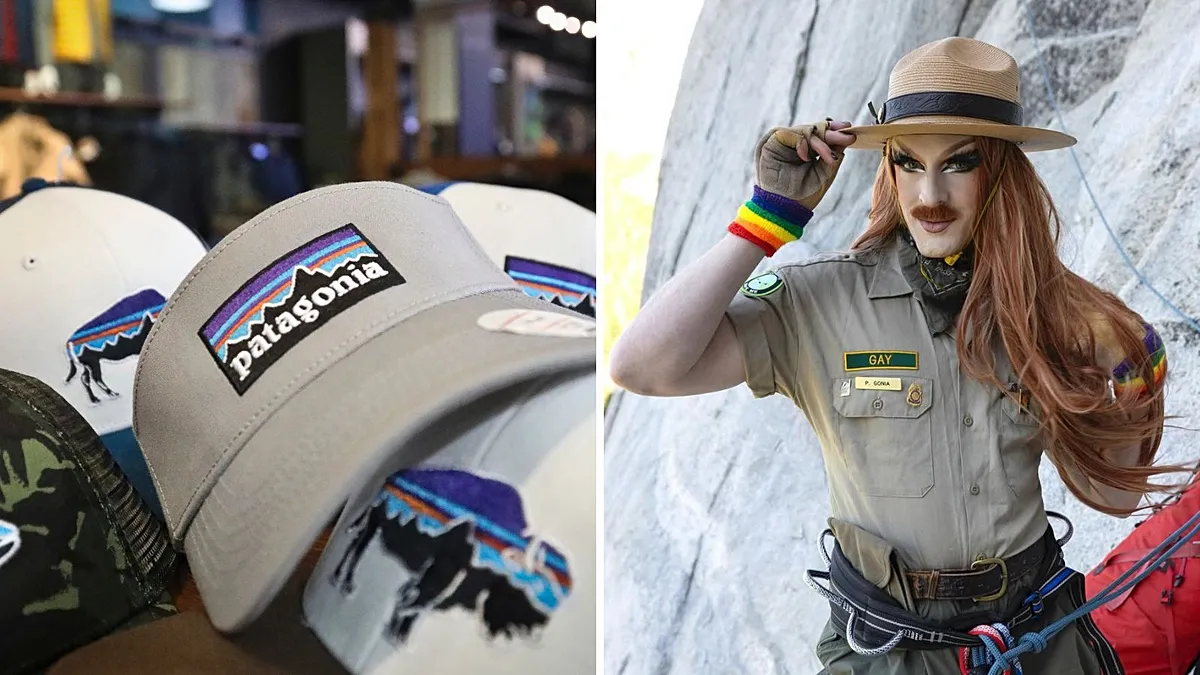
Patagonia vs Pattie Gonia: The Legal Battle Over a Brand Name and LGBTQIA+ Identity
Patagonia vs Pattie Gonia – Amid the vibrant energy of Pride Month, which typically celebrates LGBTQIA+ rights, community, and cultural expression, a surprising legal dispute has emerged. This year, the focus has shifted to a high-profile lawsuit between the outdoor apparel brand Patagonia and the drag queen, environmental activist, and public figure Pattie Gonia. The case, filed on 21 January 2026, centers on allegations of trademark infringement, with Patagonia seeking to halt the use of its iconic logo by Pattie Gonia’s merchandise line.
The Clash of Trademarks and Identities
Patagonia, known for its commitment to environmental sustainability and social advocacy, claims that Pattie Gonia’s use of the brand’s name and logo has caused “irreparable harm.” The lawsuit, which includes a request for a jury trial, argues that the drag queen’s branding undermines the trust and purpose associated with Patagonia’s identity. In a press release, the company stated, “Patagonia has a responsibility to protect the company that generations of employees have helped build,” emphasizing that the brand’s name symbolizes decades of work in environmental activism, storytelling, and community impact.
“Not because a name matters more than people, but because that name carries trust, purpose, and decades of work connected to environmental activism, products, storytelling, and community impact.”
Pattie Gonia, a prominent figure in the drag community and a recipient of recognition from Time magazine and National Geographic, has been named a Next Gen Leader in 2024. The drag queen has long been an advocate for social causes, often blending artistry with activism. According to their press release, they began selling merchandise featuring variations of Patagonia’s logo in late 2024, a move that Patagonia claims was done without prior consent or negotiation.
While Patagonia asserts that it has attempted to resolve the matter through dialogue, the company alleges that no agreement was reached. The legal action includes a demand for Pattie Gonia to cease using the name “Pattie Gonia” in association with their products and to compensate Patagonia for damages, even though the amount requested—just one US dollar—seems minimal. However, the company has also sought reimbursement for legal fees, highlighting the broader financial implications of the dispute.
Historical Context and Brand Traditions
Patagonia’s decision to take legal action is not unprecedented. The brand has previously challenged similar names, such as “Fratagonia,” “Petagonia,” and “Catagonia,” in efforts to safeguard its trademark. These cases reflect Patagonia’s long-standing strategy to protect its brand identity, which has become synonymous with outdoor adventure and eco-conscious values. Yet, Pattie Gonia argues that their use of the name is a creative and cultural choice, not a commercial appropriation.
“The use of well-known brand names is deeply rooted in LGBTQIA+ history,” Pattie Gonia noted in a social media post. This statement underscores a broader trend within the community, where individuals often adopt brand names as part of their personal or collective identity. In ball culture, for instance, groups form “houses” that function as chosen families, frequently incorporating the names of luxury fashion brands into their personas. The House of Balmain, the House of Mugler, and the House of Balenciaga are examples of how such branding has been used to signify belonging and artistry.
Pattie Gonia’s own story is intertwined with this tradition. The drag queen, who uses the name as both a personal brand and a platform for activism, claims that their efforts have been overshadowed by Patagonia’s legal move. They assert that the company has been aware of their work for eight years and that the lawsuit was initiated to erase their identity and the “ecosystem of advocacy and community engagement” they represent. “This is a corporation trying to erase an activist,” Pattie Gonia stated in a video response, calling attention to the broader implications of the case.
Public Reaction and Political Undercurrents
The lawsuit has sparked a wave of public discourse, with social media playing a pivotal role in amplifying both sides’ arguments. Patagonia’s explanation of the legal case was met with mixed reactions, as some supporters praised the brand’s efforts to protect its intellectual property, while others criticized it for stifling creative expression. Pattie Gonia, in turn, has encouraged followers to join a collective call for the company to reconsider its stance, urging a “respectful and peaceful way” to resolve the conflict.
“Either allow Patagonia to win the case, which could prevent the use of the name ‘Pattie Gonia’ in connection with their team, community, and advocacy work,” the drag queen explained in a statement. “Or fight for themselves, which they chose to do.” This sentiment reflects Pattie Gonia’s determination to defend their right to use the name, even as they acknowledge the importance of Patagonia’s brand legacy. They also hinted at the political climate surrounding LGBTQIA+ rights in the U.S., suggesting that the lawsuit may have been influenced by broader ideological tensions.
Patagonia, however, maintains that its actions are driven by a desire to protect its brand from dilution. The company has emphasized its shared values with Pattie Gonia, including a commitment to social justice and environmental causes. Yet, the dispute highlights a key point of contention: the balance between brand identity and individual expression. For Pattie Gonia, the name is more than a label—it represents their journey as an artist, activist, and member of the LGBTQIA+ community. They argue that the lawsuit is not just about a logo, but about the erosion of a cultural symbol.
In a separate post, Pattie Gonia addressed concerns about AI-generated content and artwork, stating that they had filed for trademark protection to ensure their name and work remain distinct from automated or mass-produced versions. “There was no agreement,” they clarified, adding that Patagonia had known about their advocacy for years. This context adds depth to the dispute, framing it as a clash between traditional brand ownership and the evolving role of personal branding in a digital age.
A Symbolic Conflict in a Movement
As the legal battle unfolds, it has become a symbolic representation of the ongoing tensions between corporate entities and grassroots movements. Patagonia’s lawsuit against Pattie Gonia raises questions about the role of trademarks in preserving brand integrity versus the freedom of individuals to adopt and redefine them. The case has also drawn attention to the unique ways LGBTQIA+ individuals use brand names to express their identities, a practice that has deep historical and cultural roots.
With the outcome of the case yet to be determined, the situation remains a focal point for discussions about intellectual property, creativity, and the intersection of commerce and activism. Whether the dispute is resolved through legal means or a compromise, it is likely to have lasting effects on both parties and the broader community they represent.
As Pattie Gonia continues to rally support, the case serves as a reminder of the power of personal branding within the LGBTQIA+ movement. It also highlights how even the most progressive companies can find themselves at odds with the very communities they aim to support. The narrative surrounding the lawsuit will undoubtedly shape perceptions of both Patagonia and Pattie Gonia in the months to come, setting a precedent for future conflicts between brand names and cultural identities.