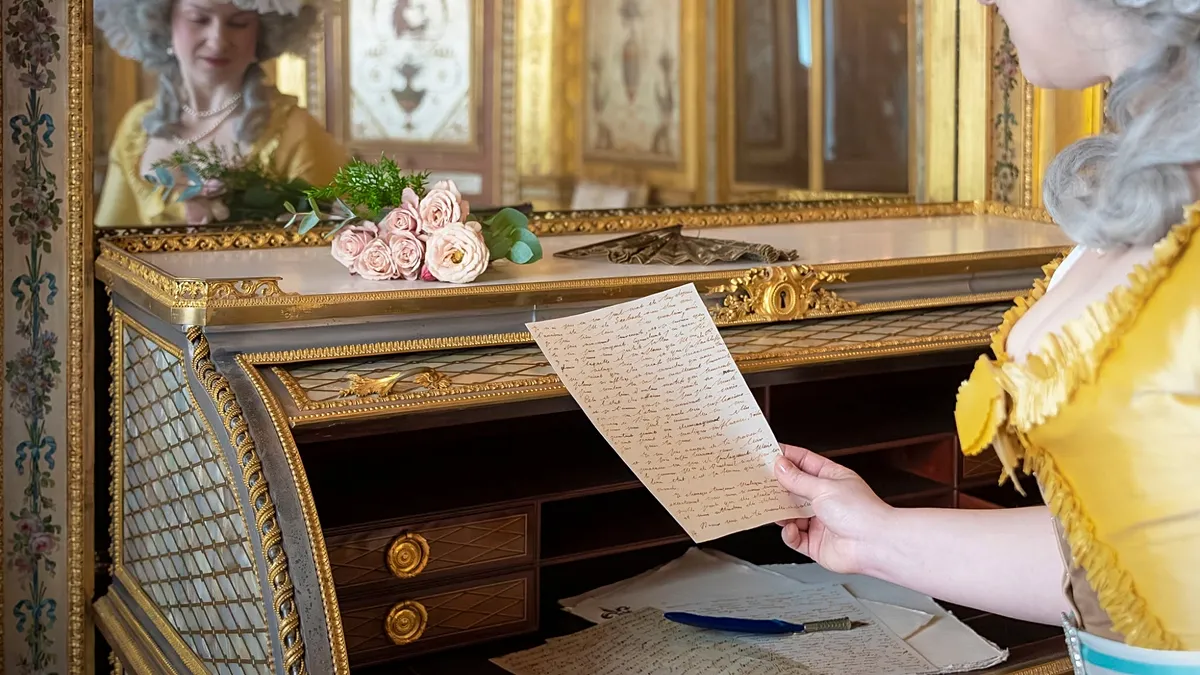
A Queen, a Guillotine, and a Mailbox: Marie Antoinette Still Gets Letters
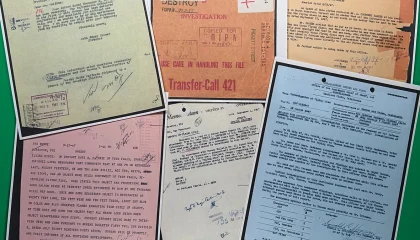
A queen a guillotine and a mailbox – The story of Marie Antoinette, the French queen, continues to captivate people two centuries and fifty years after her execution. A queen, a guillotine, and a mailbox—these three elements have become the focal point of an intriguing initiative that keeps her legacy alive. Since the launch of the “To Your Pens! Write to Marie-Antoinette” campaign, over 4,000 letters have been sent to the Château de Fontainebleau, the queen’s beloved country estate. Each letter addresses her with the formal salutation “Your Majesty,” creating a unique link between the past and present. This modern tribute allows individuals to share their thoughts with a historical figure, offering a personal connection to the queen’s story.
The Modern Letter-Writing Project
Conceived by historian Cécile Berly, the initiative aims to revitalize the art of correspondence as a means to engage with history. “History becomes vivid when we imagine writing to those who shaped it,” Berly explains. The project encourages participants to adopt the tone and style of 18th-century letters, fostering a sense of intimacy with the queen. This method not only honors her royal persona but also invites people to reflect on their own emotions and perspectives. The mailbox at Fontainebleau, a symbol of her enduring presence, now receives messages from across the globe, turning the estate into a living museum of letters.
“I immediately thought we needed to use the medium of the letter to encourage genuine engagement. It helps create a connection and sense of closeness with the queen,” Berly says.
Letters Across the World
Marie Antoinette’s story has transcended borders, drawing correspondence from people in every corner of the world. The Château de Fontainebleau, located 60 kilometers southeast of Paris, has become a hub for this historical exchange. Sylvain Moulène, the palace’s communications director, describes the response as “a delightful surprise.” The initiative, part of a 240th-anniversary celebration of her last visit to the château, has sparked global interest, with letters arriving from the United States and Canada in particular. This international appeal highlights how the queen remains a timeless figure in popular imagination.
A Queen’s Duality: From Execution to Cultural Icon
Marie Antoinette’s life is marked by a stark contrast. A queen, she was beheaded by guillotine on October 16, 1793, after years of royal life at Versailles. Her execution, a pivotal moment in history, did not end her influence. During the Monarchy Restoration, she was rebranded as a symbol of elegance, while under the Third Republic, she became associated with excess. This duality has ensured her lasting presence in culture, inspiring nearly 70 films and countless interpretations. The letters she receives today reflect this evolving legacy, blending admiration with curiosity.
The château’s role as a historical post office is a testament to her enduring relevance. Visitors are encouraged to step into the boudoir, a recreated space where the queen once spent private time with her confidantes. Writing letters to A queen, a guillotine, and a mailbox creates a bridge between past and present, allowing people to engage with history in a personal and meaningful way. This unique approach to commemoration ensures her story remains alive for new generations.
Historical Significance of the Château
Fontainebleau’s connection to Marie Antoinette is deeply historical. Between 1770 and 1786, the couple visited the estate 17 times, seeking respite from the rigidity of Versailles. These trips were a deliberate escape to enjoy the tranquility of the countryside, where the queen could connect with nature and her inner circle. The château, once a center of royal leisure, now serves as a dynamic space for historical interaction. By inviting letters to A queen, a guillotine, and a mailbox, the initiative transforms the site into a place of shared memory and cultural reflection.
The combination of a queen, a guillotine, and a mailbox encapsulates her story in a striking way. The guillotine represents her tragic end, while the mailbox symbolizes her continued presence in people’s lives. This blend of historical imagery and modern engagement ensures that her legacy remains accessible and resonant. As the initiative