
Memorial Day sticker shock: Gas prices near all-time highs
Memorial Day sticker shock: Gas prices near all-time highs
Fuel Price Surge and Its Impact
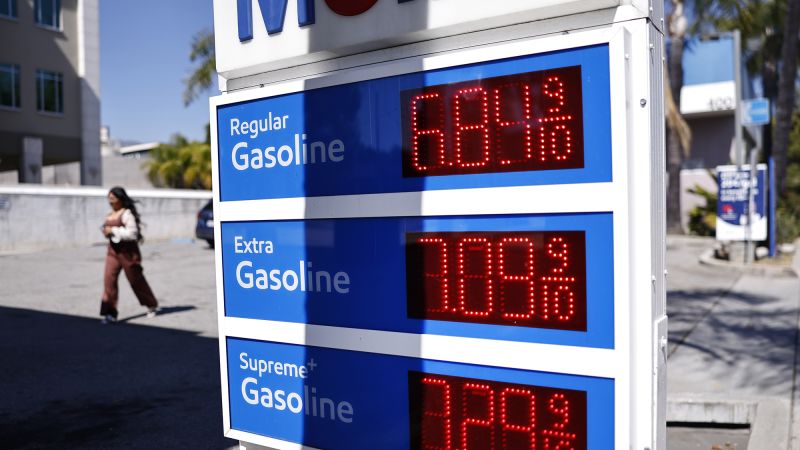
Memorial Day sticker shock – Millions of American drivers planning road trips for the Memorial Day holiday are encountering gas prices at levels not seen in recent history. With the ongoing conflict in the Middle East, the energy market has experienced unprecedented volatility, causing pump prices to climb despite efforts by the Trump administration to mitigate the effects. The steep increase in fuel costs, especially during the unofficial kickoff of summer driving season, has intensified public frustration with the economic policies of the current presidential administration.
According to GasBuddy, a crowdsourced fuel price tracking service, the national average for regular gasoline is projected to reach approximately $4.48 per gallon this weekend. This figure marks a 42% rise compared to the previous Memorial Day, making it the second-highest recorded price for the holiday. The only instance when gas prices exceeded this level was in 2022, when the average hit $4.61 per gallon following Russia’s invasion of Ukraine. Industry experts warn that the upward trend may continue, with some predicting the national average could surpass $5 per gallon by the end of June if the Strait of Hormuz remains closed.
Patrick De Haan, GasBuddy’s head of petroleum analysis, emphasized the uncertainty surrounding the summer months. “Prices were incredibly stable last summer. This summer is probably the complete opposite, perhaps the most volatile,” he stated in a recent interview. De Haan’s forecast for the summer season—spanning from Memorial Day to Labor Day—anticipates a national average of $4.80 per gallon, which would break the previous summer high of $4.43 per gallon set under President Biden in 2022. The prediction hinges on the continued disruption of oil supplies in the region, particularly the blockade of key shipping routes.
Government Responses to Rising Costs
In an attempt to stabilize prices, the Trump administration has implemented a series of emergency measures. These include releasing unprecedented quantities of oil from the Strategic Petroleum Reserve, waiving the Jones Act to allow more foreign vessels to transport fuel, invoking the Defense Production Act to boost domestic production, and temporarily halting Russian oil sanctions. While these actions aim to ease the burden on consumers, analysts argue that the supply crisis in the Middle East has outpaced even the most aggressive interventions.
US commercial and emergency oil inventories have plummeted to record lows, according to the latest industry reports. This decline has forced the energy sector to scramble to replenish reserves, exacerbating the strain on the market. The Strategic Petroleum Reserve, a critical national stockpile, has seen a 10% reduction since the war began, reaching its lowest level in two years. Andy Lipow, president of Lipow Oil Associates, noted that “you cannot do this forever” without significant economic repercussions. The administration’s efforts, though well-intentioned, may not be enough to curb the ongoing surge in prices.
Consumer Strain and Economic Concerns
The financial impact of the gas price spike has been particularly burdensome for everyday Americans, especially those with lengthy commutes. Chris Haenel, a Pittsburgh resident and computer technician, shared his personal struggle with the rising costs. “Every day, I drive by the gas station and it’s just insane,” he said, highlighting the contrast between his current expenses and those before the Iran conflict. Haenel estimates that his weekly fuel costs have more than doubled, from $50 to $80, since the war began.
Such spikes are not isolated to individual experiences. The Bureau of Labor Statistics reported that the US inflation rate reached nearly 4% in April, driven in part by the surge in energy prices. For the first time in three years, real wages—adjusted for inflation—have started to shrink, leaving many households with less purchasing power. Haenel’s situation is emblematic of a broader trend, as he explained, “Everything goes up—except the paycheck. My wife comes home with three bags of groceries and it’s $300.” This financial strain is particularly worrying for retirees and those saving for retirement, who are already feeling the pinch of higher living costs.
Broader economic data reveals the magnitude of the crisis. Brown University’s Climate Solutions Lab estimates that energy costs have surged by approximately $43 billion since the Iran war began. This calculation is based on the current price of gasoline and diesel versus the prices that would have been expected in the absence of the conflict. Gasoline alone accounts for nearly $24 billion of this increase, translating to an average of almost $200 per household. These figures underscore the far-reaching consequences of the Middle East turmoil on the American economy.
Political Fallout and Public Sentiment
The rising gas prices have become a major point of contention among voters, challenging Trump’s long-standing reputation as a champion of affordable energy. A recent CNN poll found that just 21% of Americans approve of Trump’s handling of fuel costs, a stark contrast to his earlier support on this issue. Even within his own party, a majority of Republicans express dissatisfaction with his approach to managing the crisis.
Meanwhile, the public’s frustration with the Iran war has intensified, with 75% of respondents in the same poll indicating the conflict has negatively impacted their personal finances. The administration has framed its actions as a commitment to “unleashing American energy dominance,” as stated by White House spokeswoman Taylor Rogers. She pointed to the ongoing blockade as a strategic move to “bring this conflict to an end” and restore stability to global energy markets. However, skeptics question whether these measures will be sufficient to reverse the current trend of price hikes.
Despite the administration’s efforts, the cost of gas remains a persistent issue for many. The AAA estimates that 39.1 million Americans will travel by car during this Memorial Day weekend, a figure only slightly lower than the previous year’s 39 million. For families, the rising fuel costs represent a significant challenge, especially as they plan for summer vacations and daily commutes. The combination of high prices and stagnant wages has created a perfect storm of economic hardship, with consumers struggling to keep up with increasing expenses.
Looking Ahead: A Volatile Summer?
As the summer months approach, the outlook for gas prices remains uncertain. Analysts warn that the situation could worsen if geopolitical tensions persist, further disrupting oil supplies. The potential for a record-high summer average of $4.80 per gallon, as predicted by GasBuddy, highlights the challenges ahead. For those reliant on vehicles for transportation, this means higher costs for groceries, utilities, and other essentials, compounding the existing economic pressures.
While the administration continues to emphasize its energy policies, the reality on the ground suggests that the battle for affordable fuel is far from over. The ongoing conflict in the Middle East, coupled with the global energy market’s sensitivity to political developments, has created a perfect environment for price volatility. As consumers brace for the summer driving season, the question remains: will these measures be enough to stabilize the market, or will the cost of gas continue to rise, further testing the resilience of the American public?
GasBuddy’s projections and the White House’s optimistic rhetoric highlight the divide between policy promises and economic realities. The administration’s focus on energy independence and price control has been tested by the current crisis, with consumers feeling the effects of supply chain disruptions and geopolitical instability. As the summer progresses, the interplay between these factors will determine whether gas prices stabilize or continue their upward trajectory, shaping the economic landscape for months to come.