Video. Deadly Clashes in Kenya as Protesters Clash Over US Ebola Quarantine Facility
Regional Tensions Escalate Amid Health Crisis
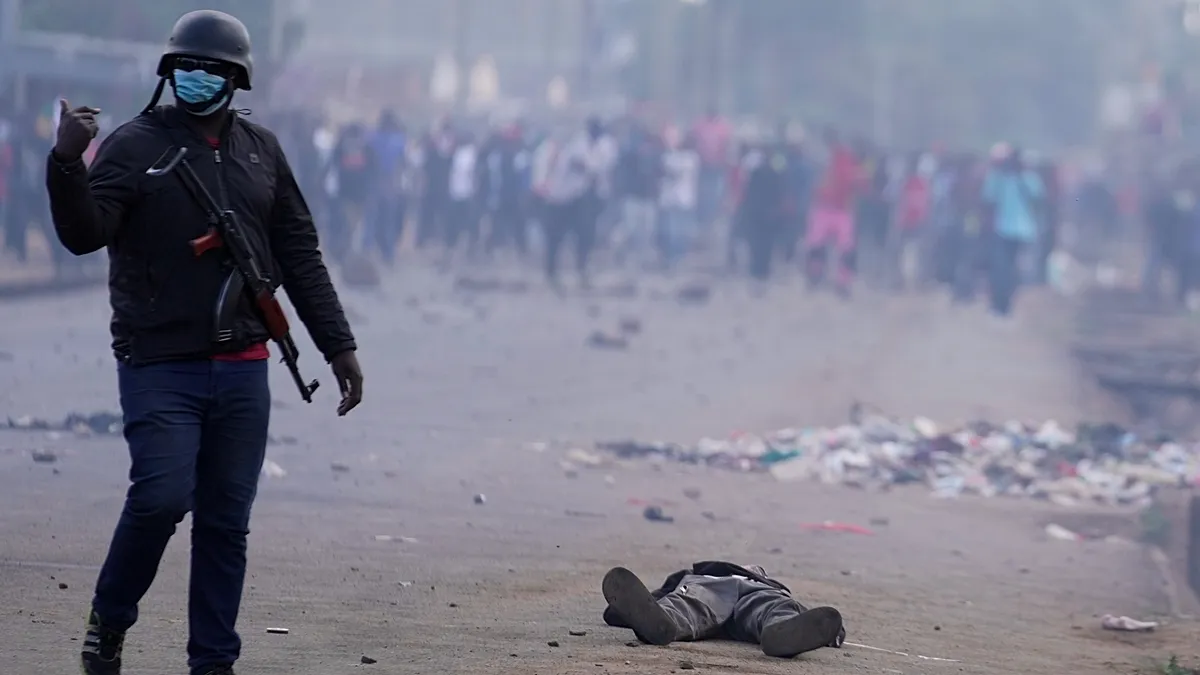
Deadly clashes in Kenya as protesters – Kenya has been thrust into the center of a heated conflict as violent confrontations erupted around a newly constructed US Ebola quarantine facility. The clashes, which have intensified over the past two weeks, saw residents and demonstrators take to the streets to oppose the project, citing fears of disease transmission. Despite the absence of confirmed Ebola cases in the country, local communities have raised alarms about the potential risks posed by the facility. The unrest has sparked a broader debate, intertwining public health concerns with political disputes that have drawn national attention.
Police Deploy Force to Control Protests
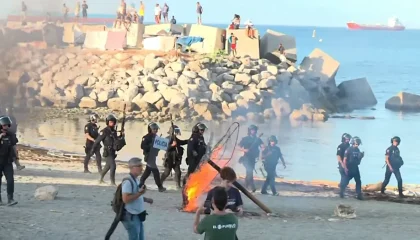
Riot police responded swiftly to the growing unrest, employing tear gas and heavy-handed tactics to push back crowds. Their efforts were met with resistance from protesters, who hurled stones and set fires in an attempt to disrupt construction work. The situation has been described as chaotic, with reports of tear gas canisters being fired into residential areas and demonstrators barricading roads to block access to the site. The violence has left a trail of injuries and, tragically, at least three fatalities, according to local news accounts.
Legal Challenge Halts Construction Efforts
The dispute has reached a critical juncture following a High Court order that temporarily halted the construction of the facility and suspended the arrival of foreign patients. This decision was prompted by a legal challenge from the Law Society of Kenya and a constitutional watchdog organization, which argue the agreement was rushed through without adequate public consultation. The court’s ruling has added a layer of complexity to the situation, as officials grapple with balancing national health priorities against community backlash.
Opposition Focused on Transparency and Trust
Protesters have emphasized the lack of transparency in the decision to establish the quarantine center, accusing authorities of sidelining local voices in the process. “This facility was built without consulting the people who will bear the brunt of its impact,” said one demonstrator during a recent rally. Meanwhile, government officials have defended the initiative as a vital component of long-term collaboration with the United States to strengthen Kenya’s health infrastructure. They argue that the quarantine center is essential for preventing the spread of Ebola, particularly given the proximity of Uganda, which has reported 19 confirmed cases of the virus.
Regional Containment as Key Concern
The urgency of containing the Ebola outbreak has placed Kenya in a pivotal role within East Africa. Neighboring countries have been working tirelessly to curb the spread, and the proposed facility is seen as a strategic move to bolster regional efforts. However, the lack of local support has created friction, with critics questioning whether the project aligns with the needs of Kenyan communities. The facility’s location—near a densely populated area—has further fueled anxieties, as residents worry about the risk of contamination and the disruption caused by ongoing demonstrations.
Human Cost of the Conflict
As tensions continue to rise, the human toll of the protests has become increasingly evident. At least three protesters have lost their lives in the past two weeks, with their deaths attributed to injuries sustained during clashes with law enforcement. Over 10 individuals have been detained, raising concerns about the use of force and the suppression of dissent. Local media have documented the severity of the situation, highlighting the emotional and physical toll on participants. “We came here to protect our families, not to be attacked,” said a survivor of a recent skirmish, echoing the sentiments of many who have joined the demonstrations.
Political Fallout and Public Health Debate
The conflict has not only deepened public distrust in the government but has also become a focal point for political discourse. Critics argue that the agreement with the US reflects a top-down approach to healthcare planning, neglecting the input of local stakeholders. Meanwhile, supporters of the project maintain that it is a necessary investment in Kenya’s ability to respond to future outbreaks. The debate has taken on new significance as the country prepares for potential waves of the virus, with some experts warning that the facility’s success hinges on community cooperation and confidence.
International Implications and Domestic Resistance
The controversy surrounding the quarantine facility has also drawn scrutiny on the broader relationship between Kenya and the United States. While the US has long been a key partner in Kenya’s health sector, the current clash underscores the challenges of implementing international initiatives within local contexts. Proponents highlight the financial and technical support the facility represents, while opponents see it as a symbol of bureaucratic overreach. The situation has prompted calls for a more inclusive approach to decision-making, with activists demanding greater accountability from both government and foreign partners.
Looking Ahead: A Test for Governance and Health Strategy
As the situation unfolds, the Kenyan government faces mounting pressure to address the concerns of its citizens while maintaining its commitment to regional health security. The standoff has revealed the complexities of balancing national interests with local needs, particularly in the face of a global health crisis. With the legal challenge still pending and the construction site under scrutiny, the outcome of this conflict could have lasting implications for Kenya’s healthcare policies and its approach to international partnerships. For now, the streets remain a battleground, with protesters and authorities locked in a tense struggle over the future of the facility and the safety of the community.
Recent developments have shown that the conflict is far from over. Despite the court’s temporary suspension of construction, the dispute continues to simmer, with new protests emerging in response to the ongoing legal proceedings. The government has pledged to engage with affected communities, but the challenge of restoring trust remains significant. As the world watches Kenya’s efforts to combat Ebola, the story of this facility serves as a reminder of the human and political dimensions of public health crises.
In the days following the clashes, the media has played a crucial role in shaping public opinion. News outlets have highlighted the voices of both supporters and detractors, providing a platform for the diverse perspectives that have emerged. The debate has also