Science of Scare Study Puts New Spotlight on Horror’s Most Pulse-Raising Films
Usagevpn.com – Halloween viewers searching for a genuinely nerve-rattling film have a data-driven guide at hand. The Science of Scare Project has returned for its seventh year, measuring how audiences physically respond to English-language horror films and translating those reactions into a ranking designed to identify cinema’s most intense fright experiences.
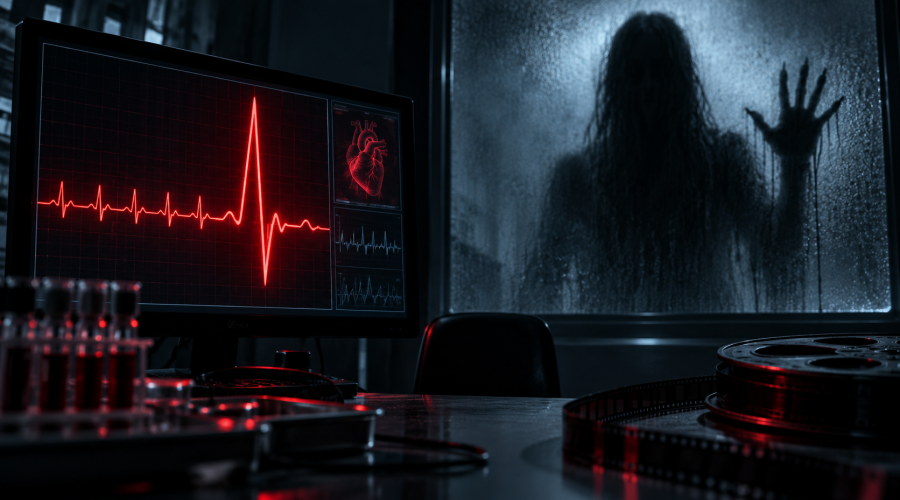
The project uses heart-rate monitors worn by hundreds of volunteers as they watch hours of horror. Its scoring system weighs several physiological signals: average heart rate in beats per minute, heart-rate variability measured in milliseconds, and each viewer’s highest recorded pulse. Together, those measurements form a Scare Score intended to capture both sudden shocks and sustained tension.
For perspective, a typical resting heart rate for adult women and men is generally between 60 and 100 beats per minute, with 70 to 80 BPM often regarded as a particularly healthy range. A film capable of pushing a resting pulse far above that level is plainly producing a strong immediate response, even if fear itself remains more complicated than a number.
Sinister Still Holds the Overall Crown
Scott Derrickson’s 2012 supernatural horror film Sinister remains in first place after four years at the top. The film lifted the average viewer heart rate by 34%, moving it from 64 BPM to 86 BPM. Its most alarming sequence registered a peak of 131 BPM.
That blend of abrupt scares and a lingering, oppressive mood earned Sinister a Scare Score of 96 out of 100. More than a decade after its release, the film’s unsettling premise and carefully timed jolts continue to make it a formidable choice for anyone planning a Halloween viewing session.
Resident Evil Sets a New Jump-Scare Peak
The biggest headline from the 2026 results belongs to Zach Cregger’s Resident Evil, which has surpassed the study’s previous jump-scare heart-rate record. One moment in the 2026 release drove viewers to a peak of 134 BPM, exceeding the 131 BPM high recorded for Sinister.
That achievement does not dislodge Sinister from the overall number-one position. The broader ranking is not determined by one spike alone; it also accounts for the film’s average impact and heart-rate variability. Still, the new record highlights the potency of a well-placed scare when an audience is already primed for suspense.
New 2026 Entries Join the Experiment
Fifteen new titles entered the testing pool this year. Breakout films including Obsession and Backrooms were among the fresh challengers, though neither reached the top 20.
A24’s paranormal podcast horror film Undertone emerged as the highest-ranked 2026 title. It took 33rd place overall, making it the year’s most scientifically frightening new release within the project’s results. Its placement suggests that newer horror films are continuing to find inventive ways to generate unease, even when they do not overtake the genre’s established front-runners.
What a Heartbeat Can—and Cannot—Measure
The study offers an engaging way to compare horror films, but its results naturally favor certain kinds of scares. Modern releases that rely on sharp sound cues, sudden appearances and surprise reveals can prompt immediate pulse jumps, making them especially visible in heart-rate data.
For viewers who love jump scares, that is useful information. A rapid burst of adrenaline can be exactly what a Halloween watch party needs. Yet many horror fans draw a distinction between being startled and being deeply frightened. A loud, sudden moment may produce an instant physical reaction without leaving much behind once the scene has passed.
Other films take the opposite route. They build discomfort slowly, using atmosphere, ambiguity, disturbing imagery or an unnerving idea that continues to linger after the credits. Those works may not always produce the sharpest readings on a monitor, but they can be the titles that stay with viewers longest.
“What should I be watching to get in the mood for the big night?”
That question has no single answer, because horror remains intensely personal. One viewer may be rattled by supernatural dread, another by body horror, claustrophobic settings or the threat of something hidden just outside the frame. The Science of Scare Project does not settle that debate, but it provides a useful starting point for audiences looking for films with a demonstrable ability to raise pulses.
The results also offer an opportunity to revisit lesser-discussed titles. The Autopsy of Jane Doe, for example, remains a particularly worthwhile selection for viewers who want a tightly contained supernatural horror story with a growing sense of dread. Whether a movie’s fear comes from an explosive shock or an atmosphere that quietly burrows under the skin, the best Halloween choice is ultimately the one that matches the kind of fright you want to feel.
Related Reading
Frequently Asked Questions
What is Scientific study reveals scariest horror movie?
Scientific study reveals scariest horror movie is the main topic of this guide. The article explains the context, practical details, and next steps readers should understand.
Why does Scientific study reveals scariest horror movie matter?
Scientific study reveals scariest horror movie matters because readers are looking for a useful answer, not just a short summary. Good content should match search intent and help them decide what to do next.