King Mohammed VI Names Fatima Zahra Mansouri as Morocco’s First Female Prime Minister
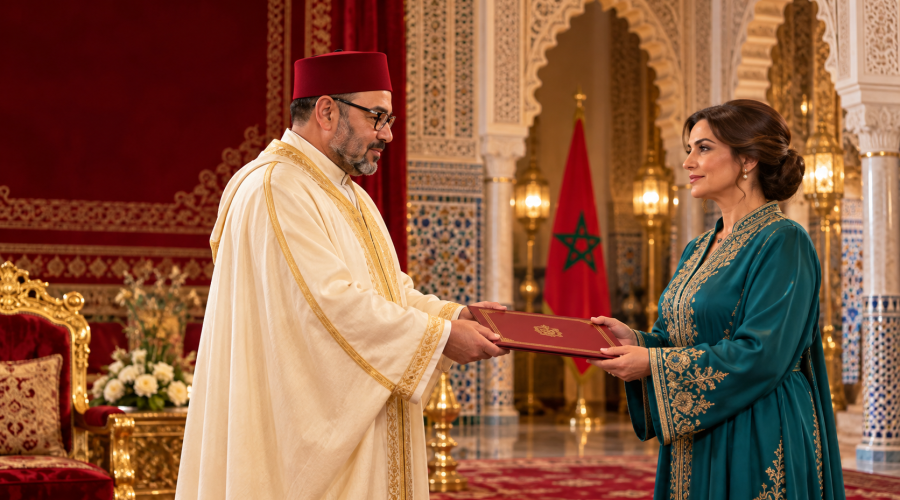
Usagevpn.com – Morocco s King Mohammed VI appoints Fatima Zahra Mansouri as prime minister-designate, marking the first time a woman has been chosen to lead the country’s government. The Royal Palace announced the decision after Mansouri’s centrist Authenticity and Modernity Party (PAM) won the most votes in the parliamentary election.
Mansouri, 50, is a lawyer who previously served as Morocco’s urban planning minister and as mayor of Marrakech. She must now seek support from other parties and form a cabinet in a parliament where no single party is expected to command an outright majority.
A historic appointment for Morocco
The nomination makes Mansouri Morocco’s first female prime minister and places her among a small number of women to have led governments in the Arab world. Tunisia’s Najla Bouden previously held the role of prime minister.
PAM received the highest vote total in the election, with one million of Morocco’s 15.8 million registered voters backing the party. It was the party’s first electoral victory since its founding in 2008.
Morocco’s voting system often requires the leading party to build a coalition. PAM has said it is open to working with other parties, although the moderate Islamist Justice and Development Party and the left-wing Federation of Democratic Left have indicated they expect to remain in opposition.
How Morocco’s constitutional process works
Under the constitution, King Mohammed VI appoints the head of government from the party that wins the most seats in parliamentary elections. The rule was introduced following the 2011 protest movement associated with the Arab Spring and subsequent political reforms.
While the monarch remains Morocco’s highest constitutional authority, the process links the choice of prime minister to the election result. Mansouri’s immediate political task is to turn PAM’s victory into a stable governing alliance.
Economic priorities and the 2030 World Cup
The incoming government will face pressure to address inflation, wages and employment while preparing Morocco for the 2030 FIFA World Cup. The country is expected to spend billions of dollars on projects connected to the tournament.
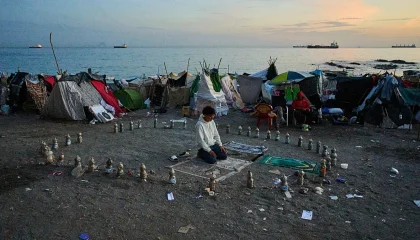
Balancing major infrastructure commitments with household economic concerns will be a central challenge for Mansouri’s administration. The election also followed the Ceuta migration crisis in July and deadly youth-led protests the previous year, increasing attention on social conditions and political confidence.
Mansouri’s political background
Mansouri joined PAM when it was established in 2008 by Fouad Ali el-Himma, a childhood friend and close adviser to the king. She later became one of the party’s leading figures.
Her career includes two terms as mayor of Marrakech, service in parliament and a ministerial portfolio overseeing urban planning. She studied law at the University of Montpellier in France.
Her family has longstanding links to public life in Marrakech. Her father, Abderrahmane el-Mansouri, was known as the “pasha of Marrakech,” served as a senior local official, represented Morocco as ambassador to the United Arab Emirates and led Marrakech’s bar association.
Mansouri has rejected allegations of potential conflicts of interest involving land transactions in Marrakech after claims made by unidentified hackers.
FAQ: Fatima Zahra Mansouri’s appointment
Who is Morocco’s new prime minister-designate? Fatima Zahra Mansouri, a lawyer, former urban planning minister and former mayor of Marrakech, was selected to form the next government.
Why is the appointment significant? Mansouri is set to become the first woman to serve as Morocco’s prime minister.
What happens next? She must negotiate with parliamentary parties, secure coalition support and propose a cabinet before the new government can begin its work.
What are the main challenges ahead? The next government will need to address employment, inflation and wage concerns while overseeing preparations and investment linked to the 2030 FIFA World Cup.