Lavrov dismisses Germany’s appeal to ease tensions
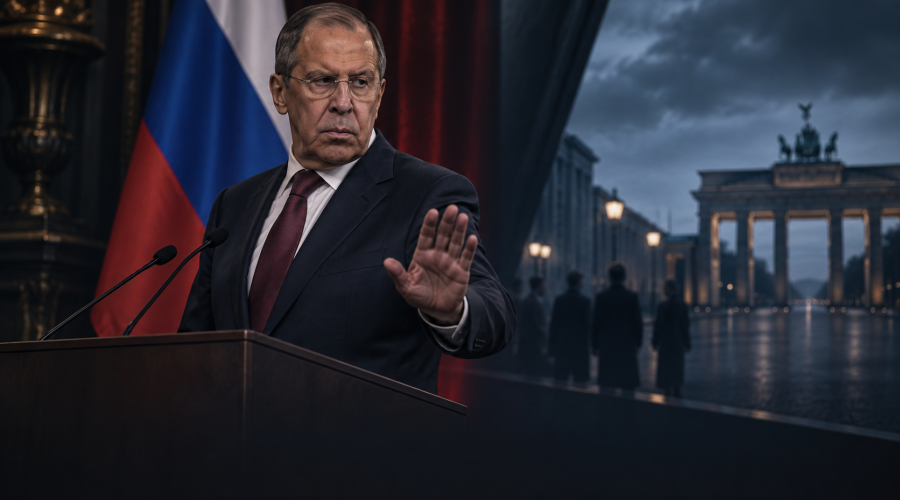
Usagevpn.com – Russian foreign minister rejects Berlin’s call to step back from what Germany described as a dangerous escalation, as Sergey Lavrov and German Foreign Minister Johann Wadephul met in New York during the UN General Assembly.
The meeting took place on Saturday against a backdrop of deep strain over Russia’s war against Ukraine and Germany’s recently announced measures targeting Moscow. Wadephul urged Russia to change course and said relations could improve if the Kremlin showed a genuine willingness to end the war.
Lavrov described the discussion as unproductive, arguing that Wadephul had simply repeated Berlin’s public criticism of Russia.
“Nothing new came from that initiative of the foreign minister,” Lavrov told journalists after his speech.
He questioned whether the exchange could be considered meaningful dialogue, saying Germany had maintained its established position.
Lavrov criticises Germany’s defence ambitions
In his address to world leaders, Lavrov also focused on comments by German Chancellor Friedrich Merz about Germany becoming a leading military power in Europe again. The Russian foreign minister invoked the legacy of the Second World War while challenging Berlin’s stated ambitions.
“Chancellor Merz is stating that Germany must once again be a leading military power in Europe. Does Berlin understand what this could lead to? Did they not learn the lessons of World War II?”
Germany has become one of Ukraine’s key European supporters since Russia’s full-scale invasion, providing military aid and supporting broader efforts to assist Kyiv. Russian officials have repeatedly criticised Berlin over that role.
Lavrov called Germany Ukraine’s “main sponsor” and accused Western governments of seeking Russia’s strategic defeat. He also claimed the United States had damaged Europe’s security order and supported what he called a “Russophobic regime in Kyiv.”
Drone dispute adds pressure to bilateral ties
The Russian foreign minister rejects Berlin’s position as a separate dispute over a drone incident at Leipzig/Halle airport continues to fuel tensions. Earlier in September, Germany blamed Russia for the incident and described it as a hybrid attack.
Wadephul said Germany would close the Russian consulate in Bonn and Russia’s cultural centre in Berlin. The government also announced tighter border controls affecting Russian nationals and further action against Russia’s so-called shadow fleet, used to transport Russian oil while avoiding restrictions.
Russia denied responsibility. Its embassy said Ambassador Sergey Nechayev had rejected the allegations as unfounded and irrational, warning that Germany’s measures marked an exceptional escalation in relations and would draw a response.
Lavrov referred to the Leipzig/Halle aircraft as an “unclaimed drone” and said Germany had moved quickly to attribute it to Russia.
Ukraine sees little prospect of progress
Russian foreign minister rejects Berlin’s appeal amid sharply different accounts of the war and the chances for diplomacy. While Lavrov accused Western governments of extending confrontation, Ukrainian President Volodymyr Zelenskyy said Moscow was showing no sign of seeking an end to the fighting.
“Putin always finds some lame excuse – not to meet, not to hold a trilateral, not to talk, not to end it, not to stop the killing,” Zelenskyy said in a video address on Saturday.
The Lavrov-Wadephul meeting produced no announced breakthrough. It nevertheless highlighted the limited direct contact that remains between Germany and Russia as their relationship grows increasingly hostile.
Frequently asked questions
What did Germany ask Russia to do?
Germany urged Russia to move away from what Berlin described as an escalating course and to demonstrate a real readiness to end the war in Ukraine.
What measures did Germany announce?
Germany said it would close the Russian consulate in Bonn and Russia’s cultural centre in Berlin, tighten controls affecting Russian nationals, and increase pressure on Russia’s shadow fleet.