Dubai’s Media Ambition Enters a New Phase
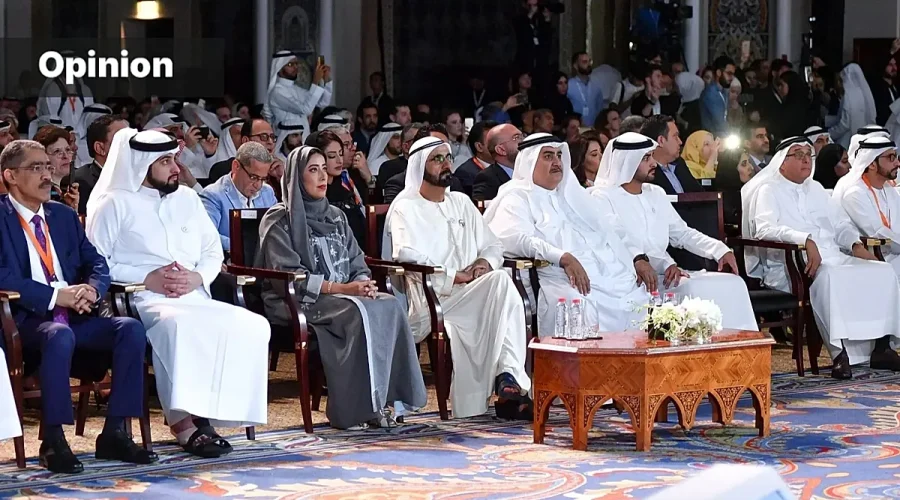
Usagevpn.com – Dubai is preparing to welcome thousands of media professionals as the Arab Media Summit 2026 opens at the Dubai World Trade Centre from 15 to 17 September. The three-day event is expected to draw 10,000 attendees and will bring together broadcasters, journalists, creators, policymakers, producers and technology specialists at a time when media is becoming more international, more digital and less centred on a handful of traditional hubs.
The summit also marks a wider milestone for Dubai. Twenty-five years after the city set out to attract international media businesses through dedicated land, supporting regulations and a regional base for global companies, its media ecosystem has become a substantial economic sector.
In 2025, media activities accounted for 1.42% of Dubai’s GDP. Foreign direct investment in the sector reached US$1.62 billion in 2024, while media exports totalled US$25 million in 2025. Dubai now hosts 25,000 privately owned media companies, employing 120,000 people across journalism, production, technology and creative work.
From Regional Base to Industry Platform
The original strategy was rooted in the belief that a connected media environment could support the growth of a young, outward-looking economy. Over time, that approach has evolved beyond providing offices for international broadcasters and publishers. Dubai has developed into a place where media companies, creators and technology-focused organisations can work alongside one another.
The talent base is particularly significant. Professionals from across the region and beyond have helped create an unusually international workforce, spanning newsroom roles, film and television production, digital content, podcasting, gaming and social platforms. That mix reflects the way modern media has moved far beyond the traditional boundaries of print, television and radio.
Today, an individual video creator may reach an audience comparable to an established channel, while a podcast can develop a loyal international following without the infrastructure once required for broadcasting. Gaming studios, digital publishers and AI-supported newsrooms are also reshaping how stories are made, distributed and financed.
The Arab Media Summit has expanded in response to that changing landscape. Rather than operating as a single conference, it now consists of specialised gatherings designed for different parts of the industry.
Eight Forums Across a Changing Media Landscape
This year’s programme includes the Arab Media Forum, Government Communication Forum, youth forum, Films Forum, Games Forum, Dubai PodFest and a summit focused on social media creators and influencers. International sessions developed with global partners will also form part of the programme. The Arab Media Award reaches its 25th edition during the summit.
The breadth of the agenda illustrates an important reality: media is no longer one clearly defined sector. News organisations increasingly operate through video, newsletters, podcasts and social networks. Entertainment businesses rely on digital distribution. Governments are navigating rapidly changing communication habits. Creators are building businesses around direct relationships with audiences.
Bringing these groups into the same discussions can help address shared challenges, including trust, business sustainability, audience fragmentation and the effects of artificial intelligence. It can also create opportunities for collaboration between organisations that may previously have worked in separate parts of the industry.
A Broader Global Media Conversation
For much of the modern media era, a relatively small group of established cities dominated the international flow of news and cultural influence. That balance is shifting as broadcasters and digital publishers in the Arabian Gulf, Turkey, Central Asia, Southeast Asia and Africa build direct connections with audiences around the world.
These organisations are creating content in their own languages, making editorial choices based on their own priorities and investing in production, distribution technology and AI-driven newsroom tools. The result is not simply competition between media centres. It is a broader range of perspectives entering the international conversation.
When more societies can explain their own experiences and priorities, audiences gain access to a fuller picture of the world. Regional reporting, local languages and culturally specific storytelling can add depth to coverage that might otherwise be shaped primarily by distant institutions.
That development also raises the importance of professional exchange. Media organisations facing similar technological and commercial pressures can benefit from sharing approaches to verification, audience engagement, editorial standards and responsible use of artificial intelligence.
Euronews Forum Makes Its First Appearance Outside Europe
On 16 September, the Euronews Forum will be held in Dubai as part of the Arab Media Summit. It is the first occasion on which the forum has taken place outside Europe.
Its discussions will focus on the ways regional media organisations are reaching global audiences, the evolving relationship between governments and media in a transformed information environment, and the impact of verification tools and artificial intelligence on newsroom work.
The timing reflects growing links between Europe and the Arab world. The two regions are close geographically, and their economic and cultural connections continue to develop. Their audiences increasingly encounter the same events and debates through shared digital platforms, often in real time.
For newsrooms, that reality creates a practical case for closer contact. Meetings between European and Arab media professionals can support joint productions, commercial agreements, exchanges of expertise and long-term professional relationships. Such cooperation can continue after the conference halls empty and the summit concludes.
Looking Beyond the Anniversary
Dubai’s media development over the past quarter-century is measured not only by company numbers or investment totals, but by the city’s changing role in the industry. It is no longer solely a location from which international organisations report on the region. Increasingly, it is also a venue where media’s future is debated, tested and developed.
The 2026 Arab Media Summit arrives at a moment when the sector is confronting rapid change. Artificial intelligence is altering production workflows, platforms are reshaping how audiences discover news and entertainment, and the distinction between producer and publisher is becoming less clear. The summit’s range of forums is intended to reflect those overlapping transformations.
As Dubai welcomes the regional and global media community, the event stands as a sign of how far the city’s original media bet has travelled. What began with an invitation to international companies has developed into a wider platform for an industry that is increasingly diverse, interconnected and global.
Related Reading
Frequently Asked Questions
What is Euroviews Twenty five years on Dubai?
Euroviews Twenty five years on Dubai is the main topic of this guide. The article explains the context, practical details, and next steps readers should understand.
Why does Euroviews Twenty five years on Dubai matter?
Euroviews Twenty five years on Dubai matters because readers are looking for a useful answer, not just a short summary. Good content should match search intent and help them decide what to do next.