A Cross-Border Digital Wallet Is Moving Closer to Everyday Use
Usagevpn.com – Europe is preparing for a new way to carry essential documents, complete official tasks and access services: a digital identity wallet designed to work across the European Union. Rather than relying solely on physical cards, paper records or separate national platforms, citizens could use a secure application on their personal mobile device to manage selected credentials when they need them.
The planned EU Digital Identity Wallet, often called the EUDI Wallet, is intended to give individuals and businesses a single personal digital space for storing and presenting important information. Its purpose is not to create one mandatory app for every person, but to make it easier for people to prove relevant details and use services when they are outside their home country.
More than a place for travel documents
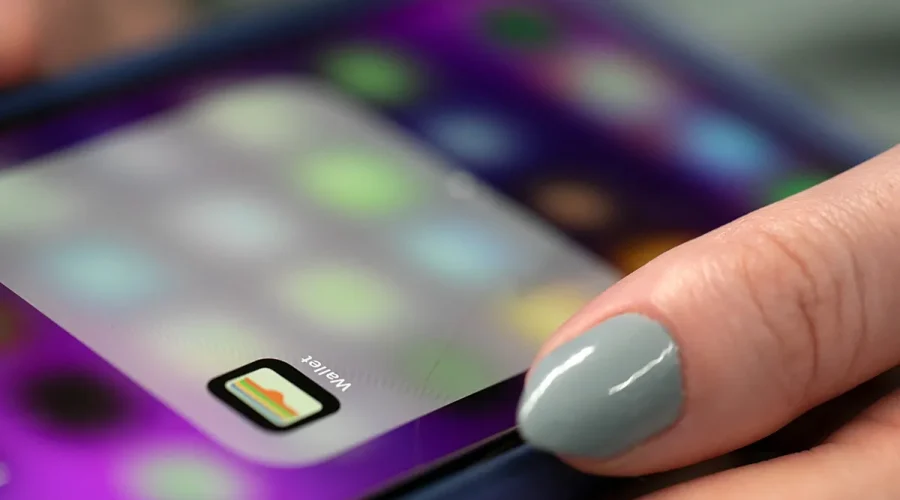
Many Europeans already use digital tools in their daily lives. Boarding passes can be kept in smartphone applications, while national digital systems may provide access to public administration or social-security services. Private platforms such as Apple Wallet and Google Wallet are also familiar places for storing certain passes and cards.
The EUDI Wallet is being developed for a broader set of uses. It could hold digital versions of documents such as driving licences, educational diplomas, medical prescriptions and rental-history information. Instead of searching through separate portals or carrying multiple paper documents, users would be able to keep eligible credentials together in one controlled location.
That could be useful in situations where a person needs to show only a specific qualification or piece of information. A graduate applying for a role may need to demonstrate a diploma. Someone renting accommodation could be asked for part of their rental record. A driver might need to present a licence, while a patient could need access to a prescription. The wallet is intended to support these kinds of interactions without turning every transaction into a request for a complete personal profile.
Control over what information is shared
A central feature of the proposed system is selective disclosure. This means users should be able to decide which information is provided to a service, rather than automatically handing over every document or every detail connected to their identity.
For example, a service may need confirmation that someone meets a particular requirement, but it may not need all of the information contained in a wider document. The wallet’s approach is meant to let people share what is necessary for a given interaction while retaining control over other personal details.
The EU’s plan also places privacy at the centre of the wallet model. Documents stored in the wallet are intended to remain private, and transactions carried out through it are also meant to be protected. The goal is to reduce dependence on a fragmented mix of systems and intermediaries while allowing users to manage their own data more directly.
Accessing public and private services
The wallet is expected to work with both public bodies and private-sector providers. Potential uses include accessing social-security services, signing documents electronically and applying for financial products such as bank loans. In practice, its value will depend on how widely services accept it and how smoothly different systems connect to it.
Digital signatures are one example of the practical ambition behind the initiative. If a document can be reviewed and signed securely through a recognised digital process, people may be able to complete certain administrative steps without printing forms or attending an office in person. The same principle could make it easier to use trusted documents in another EU country.
For people who study, work, travel or move home across borders, compatibility matters as much as convenience. National systems can be effective within one country but difficult to use elsewhere. A common European framework is intended to address that problem by allowing credentials issued in one member state to be recognised through compatible wallet systems in another.
National apps built on shared standards
There will not be one single application issued identically across the entire EU. Member states will develop their own national versions of the digital identity wallet. However, those versions must follow common technical standards so that they can operate across national boundaries.
This model is designed to combine national implementation with European interoperability. A person should not need to replace their wallet simply because they are travelling, studying or using a service in another member state. The expectation is that national wallets will be usable throughout the EU, at any time, as long as the relevant service supports the system.
Creating that compatibility requires more than building an app. Public authorities, technology providers and businesses need to ensure that documents can be issued, stored, checked and shared safely. They also need to make sure that people can understand what they are consenting to when a service asks for information.
Pilot projects are testing the system
Two large-scale pilot projects are currently examining how the wallet could function before national rollouts begin. These programmes bring together government authorities, private companies and technology specialists to develop, test and refine the system.
The pilots are intended to address practical questions that matter to users: whether a document can be presented reliably, how privacy protections work in real transactions, how organisations confirm that information is valid, and how the wallet performs across different countries and services. Testing at this stage is important because the eventual system is expected to handle sensitive personal information and support significant everyday interactions.
The national wallet applications must be available to download on personal mobile devices by the end of 2026. That deadline signals that the project is moving beyond a general policy goal and towards public availability, even though the experience may differ between countries as each member state delivers its own version.
What the change could mean for citizens
The EUDI Wallet is not simply about replacing a physical wallet with a phone. It is about making identity-related tasks more portable across Europe while giving users greater choice over the data they reveal. For some people, the most noticeable benefit may be fewer repeated forms and less need to keep copies of documents. For others, it may be the ability to use a trusted digital credential when dealing with an institution in another EU country.
Its success will ultimately depend on trust, usability and adoption. People will need to feel confident that their information is protected, while public and private services will need systems that can accept wallet-based credentials securely. If those conditions are met, the digital identity wallet could become an increasingly useful tool for managing important parts of life across the EU.
Related Reading
Frequently Asked Questions
What is Could one app soon replace your?
Could one app soon replace your is the main topic of this guide. The article explains the context, practical details, and next steps readers should understand.
Why does Could one app soon replace your matter?
Could one app soon replace your matters because readers are looking for a useful answer, not just a short summary. Good content should match search intent and help them decide what to do next.