Beijing’s Trade Engine Roars Ahead of High-Stakes Summit With Washington
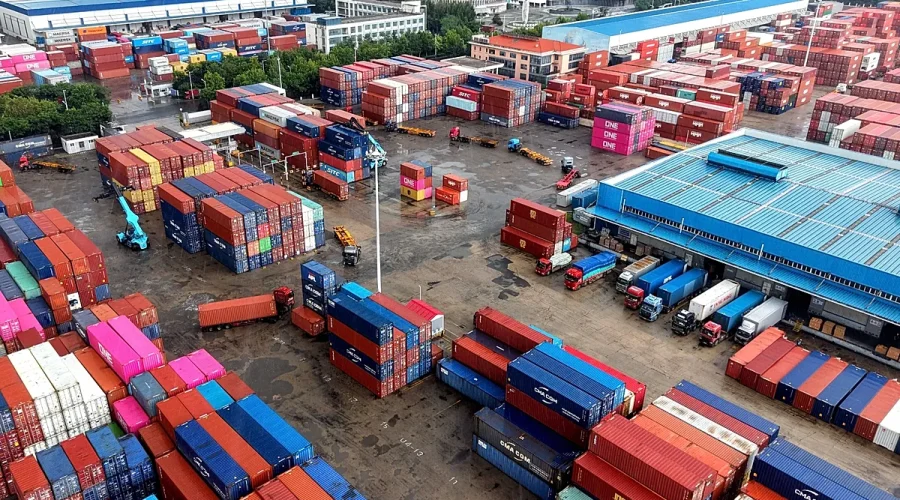
Usagevpn.com – With a face-to-face summit between Donald Trump and Xi Jinping expected to take place in late September, China’s latest trade figures landed at a moment of acute geopolitical sensitivity. The country’s customs authority disclosed on Tuesday that August exports surged 25 percent compared with the same month a year earlier, driven by robust overseas appetite for automobiles and advanced-technology products. The announcement arrives just weeks before the two leaders are slated to sit down together, although Beijing has stopped short of confirming a precise calendar date for the encounter.
The acceleration marks a notable step-up from July, when year-on-year export growth had already been running at 23.9 percent. On the import side, inbound goods rose 28.2 percent in August, a modest increase over the 27.5 percent jump recorded in July. The combined effect pushed China’s monthly trade surplus to $119.1 billion (€102.4 billion), widening from the $112.5 billion (€96.8 billion) gap logged in the preceding month.
A Structural Shift Toward High-Value Shipments
The composition of what leaves Chinese ports has changed markedly over the past several years. Electric vehicles, industrial machinery, and semiconductor components have moved from niche categories to pillars of the export basket, reshaping how global buyers perceive Chinese manufacturing. The shift is not merely quantitative; it reflects a deliberate industrial policy aimed at climbing the value chain.
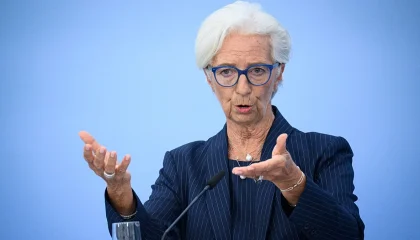
“China is very competitive in its tech goods exports,” Chi Lo, a senior market strategist for Asia Pacific at BNP Paribas Asset Management, observed.
Lo went further, noting that Beijing’s push into artificial-intelligence infrastructure and industrial automation has elevated the country to a principal actor in sectors once dominated by Western and Japanese suppliers.
“China has moved aggressively up the value chain and has become a major player in AI infrastructure and industrial automation,” he added.
Diverting Trade Flows Around Tariff Headwinds
One of the more striking features of the current export cycle is its geographic diversification. While elevated US tariffs have compressed traditional bilateral trade volumes, Chinese firms have redirected shipments toward Southeast Asia, Latin America, and sub-Saharan Africa. Analysts note that this re-routing, combined with China’s comparatively contained exposure to the ongoing Iran conflict, has insulated the overall export figure from the kind of shock that might have derailed a less diversified economy.
The cumulative effect is visible in the annual numbers: last year China posted a record trade surplus of $1.2 trillion (€1.0 trillion), a figure that has drawn sustained scrutiny from policymakers in both Washington and Brussels. Trade architecture is expected to feature prominently on the agenda when Trump and Xi meet, though Lo cautioned that the underlying strategic impasse is unlikely to dissolve over a single summit.
“Both sides hold each other hostage in some strategic products, with the US withholding high-end tech goods from being sold to China and China withholding rare-earth exports to the US,” he said.
The rare-earth point is particularly salient. China controls roughly 60 percent of global mining and over 85 percent of processing capacity for the elements embedded in everything from fighter-jet guidance systems to wind-turbine generators. Until that dependency is diversified, any trade negotiation carries an implicit ceiling on how quickly technology-access concessions can be traded.
Brussels Weighs Its Own Response
On the European front, ministerial-level trade talks between China and the EU are scheduled for the autumn. The bloc’s daily trade deficit with China stands at approximately one billion euros, a figure that has intensified pressure on European governments to recalibrate market-access rules. In July, the EU moved to shield its domestic steel sector and placed restrictions on the tax-exempt treatment of small parcels arriving via Chinese e-commerce platforms, steps that signal a shift from complaint to enforcement.
Domestic Drag: The Real Estate Hangover
Despite the external strength, the domestic economy remains under considerable strain. Household consumption and fixed-asset investment have stayed subdued in the wake of a multi-year downturn in the property sector, which once accounted for roughly a quarter of GDP when construction, sales, and related financial flows are aggregated. Weak consumer confidence and elevated household debt have kept domestic demand from fully offsetting the tariff-related drag on external sales.
In an attempt to shore up liquidity and stimulate lending, Beijing announced on Sunday that it would inject approximately $54 billion (€46 billion) into state-owned banks and insurers. The measure is designed to lower financing costs for small and medium enterprises and to encourage credit flow into sectors where demand has been most depressed. Whether the infusion translates into measurable growth acceleration will depend on whether banks deploy the funds into productive lending rather than parking them in low-yield government securities.
For now, the export data suggest that China’s external engine is running at full tilt even as the domestic one sputters. The question heading into the Trump-Xi summit is whether that asymmetry can be converted into a durable trade framework, or whether the structural rivalries in semiconductors, rare earths, and industrial policy will keep both sides locked in a stalemate that neither can afford to break.
Related Reading
Frequently Asked Questions
What is China exports accelerate on strong demand?
China exports accelerate on strong demand is the main topic of this guide. The article explains the context, practical details, and next steps readers should understand.
Why does China exports accelerate on strong demand matter?
China exports accelerate on strong demand matters because readers are looking for a useful answer, not just a short summary. Good content should match search intent and help them decide what to do next.